Banana, shrimp, flower, cacao and oil trade software for Ecuadorian firms, supported from Bengaluru.
Ecuador ships bananas, shrimp, cut roses and cacao to buyers on every continent. Crude oil from the Amazon basin crosses the Andes by pipeline to the Pacific. The US dollar is its currency. Guayaquil handles the sea freight, and Quito sits in the highlands near the rose farms. GullySystem, based in Bengaluru, builds farm, pond, cold chain and freight software for exporters and supports it remotely.
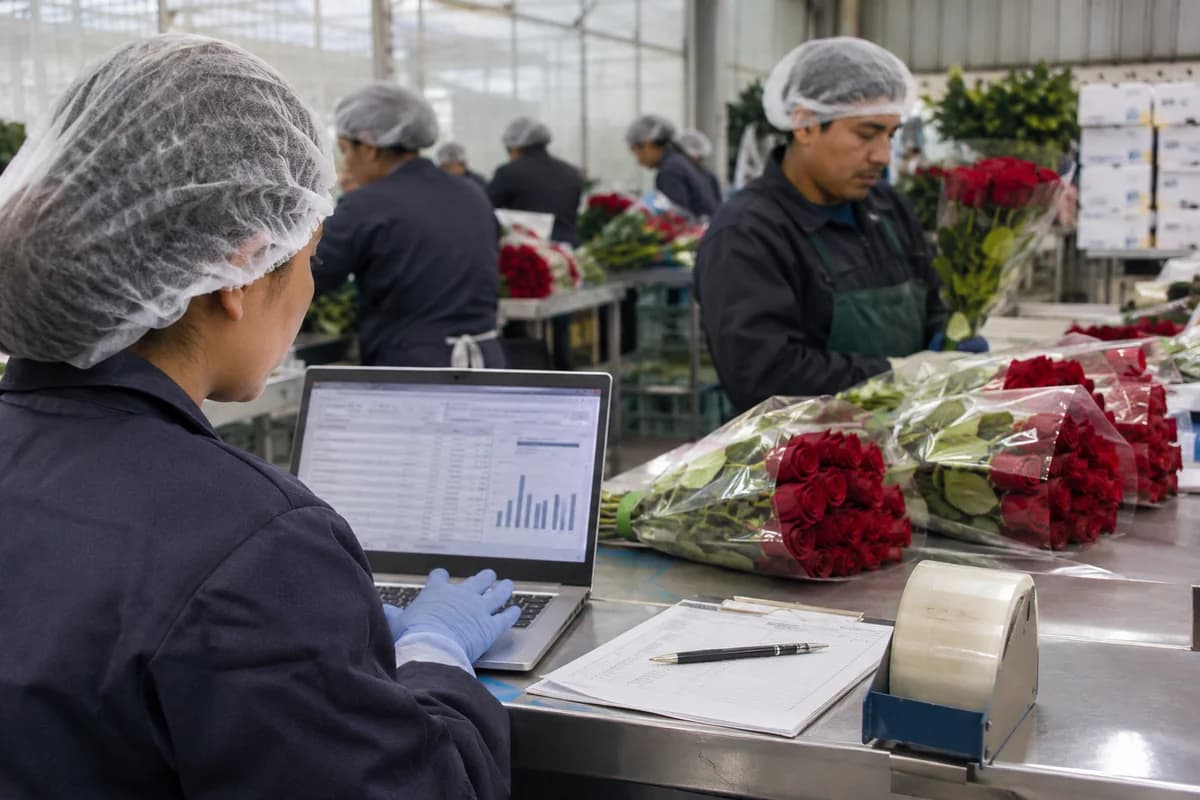
Working with a team in India from Ecuador.
Because Ecuador uses the US dollar, its exporters do not juggle a local currency. Their worry is time. Fruit rots. Flowers wilt. Bananas, roses and shrimp spoil, so a late truck or a missed flight can cost a whole load. Packers need arrival dates, temperatures and container numbers on one record that a buyer abroad can also check.
Nobody from our team lives in Ecuador. We work in Nagarbhavi, Bengaluru, and reach Quito, Guayaquil, Cuenca and the coastal farms by scheduled calls and written handovers that either side can read the next morning. Ecuador holds no customer, partner or licence of ours. Proposals say so plainly.
What changes when your business is in Ecuador.
Hours, money, language and data are decided with you at the start, not discovered later.
What the software has to fit.
The filing cycles, payment habits and licences a small business there already works around.
Trades we write for in Ecuador.
Products that fit them.
What we would build for Ecuador businesses.
Usually in this order, starting with whatever the audit ranks first.
WhatsApp Business API and Chatbots
WhatsApp Business API work covers number onboarding, template approval, opt-in records and a chatbot with human handover, all set up under the client’s own Meta account. It connects WhatsApp to a CRM, billing or booking system, so every message is sent from an existing record and every reply is written back. It suits businesses that already take orders, payments or bookings in chat.
Learn moreAPI and System Integration
Connections between existing tools, with record ownership, duplicate handling and reconciliation agreed for each flow.
Learn moreIoT and Edge Computing
Machine and sensor readings connected to office records, with buffering limits and recovery after a lost connection defined.
Learn moreGlobal Compliance and Localisation
Software has to change for each country. Currency tables, VAT and sales tax codes, invoice layouts, translation files, storage regions and consent records are built as configuration that your team can edit without code changes. The legal question stays with your adviser.
Learn moreData Migration and Moving Off Spreadsheets
Data migration and spreadsheet replacement covers auditing existing files, cleaning and deduplicating records, loading them into a new system and reconciling the loaded result against known totals. Both systems then run side by side before cutover. Originals stay untouched.
Learn moreMake the scope specific to your business.
Work through a real example from your operation and agree the handoffs, controls and support the project needs.
IVA and electronic receipts
Can the same receipt be allocated without counting the money twice?
Take an unallocated amount in “IVA and electronic receipts” and apply it to the intended balance. Review the remaining amount and the original receipt reference together.
Background reading: ERPNext: payment allocation
Questions from businesses in Ecuador.
Do you have an office in Ecuador?
No. We sit in Bengaluru. Should a project need a visit, the proposal names who would come.
Can everything appear in Spanish?
Yes. Ecuadorian Spanish, English or both can fill screens and packing sheets. Someone on your team signs off the final text.
Will the software issue the electronic receipts the SRI asks for?
We set up invoice fields and can connect to a provider your accountant picks. Your accountant rules on which documents apply to each firm and their start dates.
Can a shipment of flowers or shrimp be traced to its farm or pond?
Yes. Each batch carries its farm or pond, harvest date, packing details and container number. One screen answers a buyer.
Can temperatures in a cold room be logged?
Yes, with sensors your team chooses. Readings are stored against each batch, and a warning goes to a phone when a room drifts out of range.
How would a grower move off spreadsheets?
We import past harvests, ponds and buyers into a copy, then check the totals with your accountant before you rely on it. Anything that does not match goes onto a list for you to decide, and nothing is deleted from your old sheets while that list is open. Spot checks come first.
Can a lodge sell rooms, meals and tours in one booking?
Guests receive one confirmation, while the lodge sees separate tasks for the kitchen, the driver and housekeeping. Prices stay itemised.
Tell us what you run.
Share your requirements and an engineer will read them before getting in touch, at an hour that suits your day.
What happens after you share your requirements
- We review your brief and the systems you already use.
- We clarify the workflow, missing information and the work to consider first.
- The proposed scope sets out the deliverables, responsibilities and dependencies.
- Review the scope and commercial terms before deciding whether to proceed.
Start with your requirements
Describe your current process, the people involved and the change you need. Start with the details you know; we can clarify the rest together.
Share your requirements