Tour, table and farm software for Croatian coastal firms, restaurants and fish farms, supported from Bengaluru.
Croatia stretches from the Pannonian plain in the north-east to the long Adriatic coast and its islands. Summer tourism, small restaurants, fish and shellfish farms, olive groves and vineyards keep small firms busy. The euro has been the currency since 2023, and invoices carry PDV, the local VAT. GullySystem is a Bengaluru company that writes software for this routine and supports it from India. Nobody is based in the country.
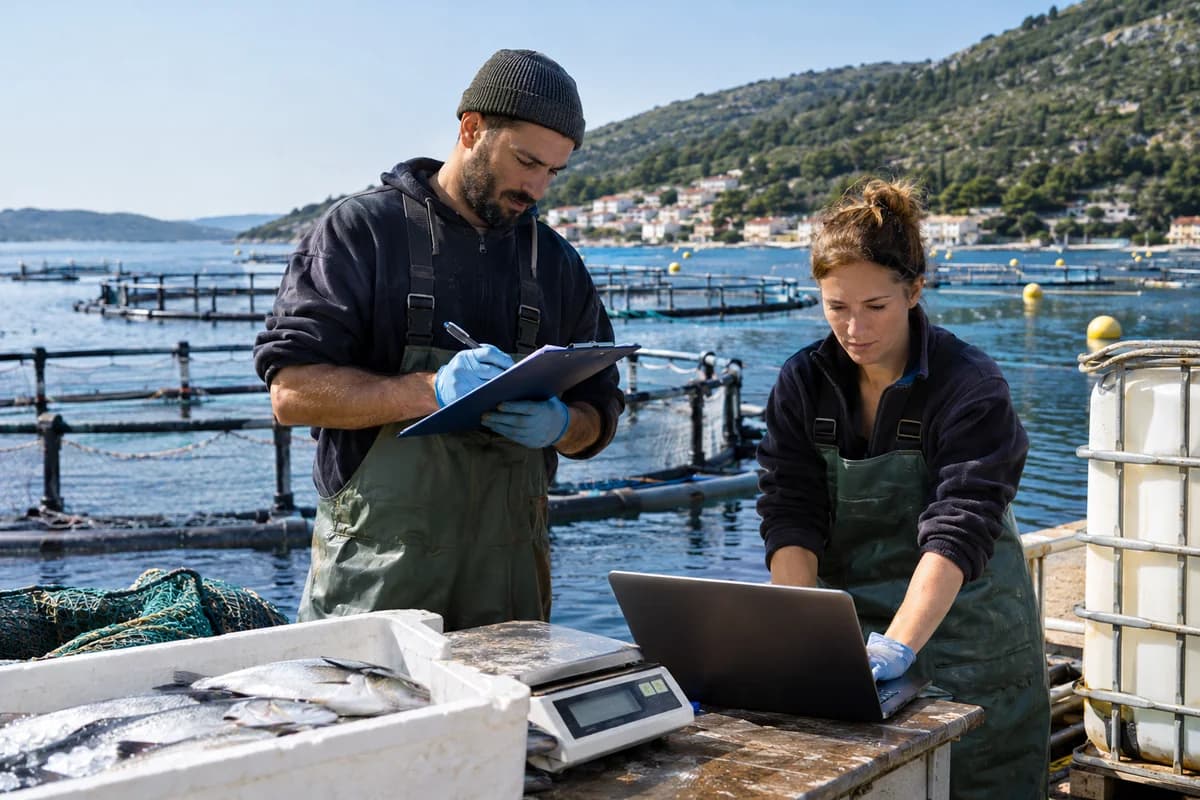
Working with a team in India from Croatia.
For most of the year the coast is quiet. Then June arrives, and a fishing village of a few hundred people hosts thousands of visitors. Konobas serve grilled fish to full terraces and agencies sell island day trips from small kiosks. Families who rent rooms answer guests in German, Italian, English and Czech between changes of bed linen.
Our home is Nagarbhavi, Bengaluru, and no staff, premises or licence of ours sit in Croatia. No Croatian customer is implied here. We offer software written around your routine and delivered at an honest pace. The time gap is only a few hours, and calls fit easily.
What changes when your business is in Croatia.
Hours, money, language and data are decided with you at the start, not discovered later.
What the software has to fit.
The filing cycles, payment habits and licences a small business there already works around.
Trades we write for in Croatia.
Products that fit them.
Capabilities often asked for.
What we would build for Croatia businesses.
Usually in this order, starting with whatever the audit ranks first.
Web and Mobile Application Development
Web and mobile apps for customers, field staff and dealers, built to work on ordinary phones.
Learn moreAPI and System Integration
Connections between existing tools, with record ownership, duplicate handling and reconciliation agreed for each flow.
Learn moreData Migration and Moving Off Spreadsheets
Data migration and spreadsheet replacement covers auditing existing files, cleaning and deduplicating records, loading them into a new system and reconciling the loaded result against known totals. Both systems then run side by side before cutover. Originals stay untouched.
Learn moreGlobal Compliance and Localisation
Software has to change for each country. Currency tables, VAT and sales tax codes, invoice layouts, translation files, storage regions and consent records are built as configuration that your team can edit without code changes. The legal question stays with your adviser.
Learn moreMake the scope specific to your business.
Work through a real example from your operation and agree the handoffs, controls and support the project needs.
Invoices and PDV
Can you explain the balance from its original documents?
Select a partly settled example in “Invoices and PDV”. Ask for the invoice, allocated receipts and remaining balance to be shown together before agreeing the opening figures.
Background reading: ERPNext: outstanding invoices
Payments and the working week
Can the same receipt be allocated without counting the money twice?
Take an unallocated amount in “Payments and the working week” and apply it to the intended balance. Review the remaining amount and the original receipt reference together.
Background reading: ERPNext: payment allocation
Questions from businesses in Croatia.
Does GullySystem have people in Croatia?
No. We work in Bengaluru and hold no office or licence in the country. If a project needs someone on site, you hear it before anything is signed.
Can screens carry Croatian, German and Italian?
Yes, screens, emails and documents can carry several languages at once, so a guest receives a confirmation in the language they booked in. A Croatian speaker on your team should read each template first.
Could a small boat trip agency manage seats and weather cancellations?
Yes. Each trip has a seat count, a guide and a pickup point, and one cancellation can message every booked guest at once. We would test it on a few real trips first.
How would a fish farm track harvest batches?
Each pen or tank gets a batch record with feed, health notes and harvest date, and orders from restaurants link back to the batch they came from. The records stay yours to export.
Will invoices follow Croatian PDV and fiscal rules?
Layouts carry whichever details your accountant requests. Rules on receipts and electronic billing have been changing, so confirm today’s position with your adviser, and we then adjust the system to match what you were told.
How would a small restaurant handle a menu that follows the catch?
Dishes can be switched on and off each morning, with the price and the allergens shown beside each one, and a sold out dish vanishes from the waiter’s screen. Fish counted at delivery reduces as tables order. Staff see what is gone. Printed menus and the screen both read from the same list.
Tell us what you run.
Share your requirements and an engineer will read them before getting in touch, at an hour that suits your day.
What happens after you share your requirements
- We review your brief and the systems you already use.
- We clarify the workflow, missing information and the work to consider first.
- The proposed scope sets out the deliverables, responsibilities and dependencies.
- Review the scope and commercial terms before deciding whether to proceed.
Start with your requirements
Describe your current process, the people involved and the change you need. Start with the details you know; we can clarify the rest together.
Share your requirements