Cologne · CountriesCologne’s fairs, broadcasters, breweries and Rhine-side chemical plants each run to a hard calendar.
Cologne mixes media, fairs, beer and chemicals. Koelnmesse hosts gaming and food shows, television crews work from studios in the city, Kölsch breweries fill the old town, and the Rhine carries chemical cargo to nearby plants. Carnival gives the spring a rhythm of its own. GullySystem writes software for these firms and supports it from Bengaluru.
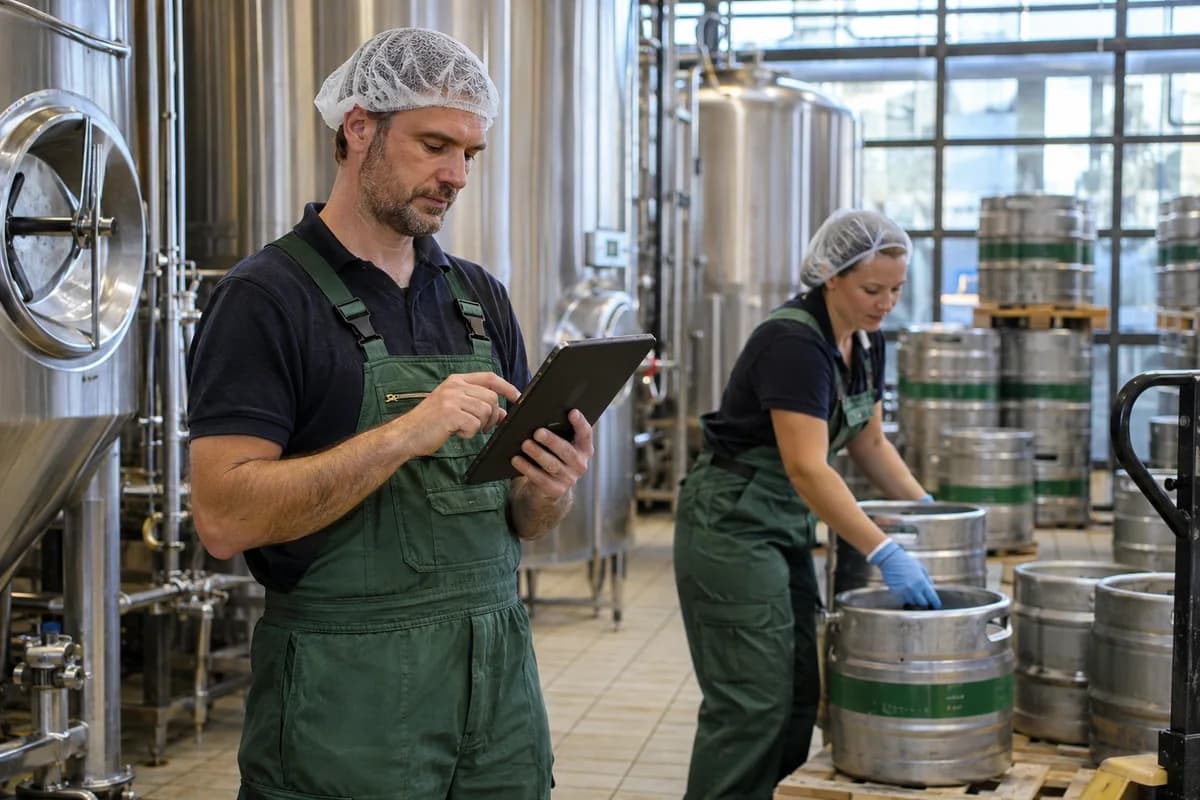
Dates rule the city. Gamescom and Anuga fill the Koelnmesse halls, and Carnival closes shops, fills pubs and floods kitchens with orders. Firms that plan well earn from these weeks, and firms that guess do not.
Behind the show floor, Cologne makes things. Television and video crews cut programmes in studios across Ehrenfeld and Mülheim, and large chemical works line the Rhine north and south. Breweries brew Kölsch in small tanks and sell it by the glass in their own houses, and kegs travel out to bars across the city every week of the year. Cologne’s hours sit close to ours in the afternoon, so late questions still get answered.
The districts, business parks and markets that matter in Cologne.
How Cologne businesses pick and use software.
Production managers who book crews and gear for a shoot and want costs tied to the job.
Brewers and chemical makers who have to prove which lot went to which customer.
Where Cologne businesses lose time and money.
Crew days are costed after the shoot
Rates, overtime and equipment hire are added up only when the job ends, by which time the budget has already been spent. A day sheet entered on a phone each evening gives the producer a live cost against budget.
Kegs go out and do not come back
Breweries lend kegs to bars and lose count. A deposit and return ledger per customer shows who holds how many kegs and for how long.
Batch records and safety sheets drift apart
A change to a recipe or hazard sheet must reach every shipment note. Storing them together, with a version on each, avoids sending an old one.
What we would build for Cologne businesses.
Usually in this order, starting with whatever the audit ranks first.
ERP, CRM and Business Software Implementation
One record of stock, orders, customers and accounts, set up so your team opens it every day.
Learn moreWeb and Mobile Application Development
Web and mobile apps for customers, field staff and dealers, built to work on ordinary phones.
Learn moreData Engineering and Business Intelligence
Dashboards that answer the owner’s Monday questions without anyone building an Excel sheet first.
Learn moreBusiness Process Automation
Approvals, reminders and reports triggered by agreed rules, with exceptions assigned to a responsible person.
Learn moreReady products that fit Cologne businesses.
Each one is adapted to how your business works before it goes live, and anything your trade needs that it lacks is added then. You are not paying to build the basics again.
TV and OTT Production Company Management Software
Every episode on a register, plus shooting schedules, call sheets, deal memos, shoot reports, episode budgets, post-production stages and deliverables for TV and OTT producers.
Learn moreBrewery Management Software
Recipes, tank schedules, batch records, ingredient stock, packaging runs, keg tracking, taproom sales and trade orders for breweries.
Learn moreIndustrial Chemical Manufacturer Management Software
Raw intake, reactor batches, titration assays, yield, tank farm stock, drum and IBC filling, tanker loading, certificates of analysis and safety data sheets for bulk chemical plants.
Learn moreHow the work runs from Bengaluru for Cologne.
- 1
The audit, by call
A screen-share and a look at the sheets, accounting reports and WhatsApp groups your team uses. No travel needed.
- 2
A written proposal
Scope, what we build first and the cost, agreed in writing before anything starts.
- 3
Build in short rounds
Working screens shared every few weeks. Your team tests them from your own office.
- 4
Go-live, in person when it helps
For data migration and training we can come to Cologne. Travel is agreed in advance.
- 5
Support online
Fixes, changes and hosting handled remotely by the same team that built it.
The work we have published.
We don’t claim Cologne clients we don’t have. These are systems our team built; the way we work is the same wherever you are.
PetSeva: matching owners to the right vet, at any hour
A two-sided veterinary platform where vets are searchable by specialisation and bookable outside clinic hours. It now carries more than 2,000 veterinary doctors.
Read the case study Paying guest accommodationSAM Atithi Pavathi: bed-level occupancy as the source of truth
PG management software where allocation, rates and invoices are derived from bed-level occupancy and not maintained in parallel spreadsheets.
Read the case study School transport servicesSAM Tours: school transport on a single ledger
Registration, fee collection, routing and finance write to the same records, closing the gap between journeys run and fees collected.
Read the case study Microfinance and Self Help GroupsVikasa RDO: making SHG loan recovery auditable
Loan proposals, recoveries and commissions sit on one record, with a person attached to every state change, so a business handling a bank’s money can show where each rupee went.
Read the case studyMake the scope specific to your business.
Work through a real example from your operation and agree the handoffs, controls and support the project needs.
Crew days are costed after the shoot
Which observation would change the proposed scope?
For “Crew days are costed after the shoot”, observe someone completing the task with a representative example. Record where they stop, ask another person or re-enter information, then choose the smallest change whose result the team can verify.
Background reading: GOV.UK: researching user needs
Questions Cologne owners ask before they call.
Can the software handle keg deposits and returns?
Yes. Every keg gets its own identity, and each handover and return is logged under the bar that took it. Deposit amounts follow your price list, and we go through the first month’s figures with you.
We run a production house with freelancers. How would crews be managed?
Crew members get a short profile with rates and availability, and their day sheets feed the job budget as each shoot day closes out. We start with the booking and cost screens and add contracts later if they help.
What happens after I share my requirements?
We review your brief and clarify the work with you. We then look at the software, spreadsheets and WhatsApp groups your business runs on today and write down what works, what slows your team down and what is missing. A demo login, a screen-share or a few screenshots are enough. You get a short written summary ordered by priority, with no obligation to hire us afterwards.
How much will the software cost?
We don’t publish a price, because it depends on what the system has to do. That first review settles the scope, and the cost goes into a written proposal before any work starts.
Industries we build for in Cologne.
Tell us what your Cologne business runs on today.
Send a short note on the spreadsheets, software or WhatsApp groups your team depends on. We reply the same working day.
What happens after you share your requirements
- We review your brief and the systems you already use.
- We clarify the workflow, missing information and the work to consider first.
- The proposed scope sets out the deliverables, responsibilities and dependencies.
- Review the scope and commercial terms before deciding whether to proceed.
Start with your requirements
Describe your current process, the people involved and the change you need. Start with the details you know; we can clarify the rest together.
Share your requirements