Stuttgart · CountriesStuttgart’s car plants lean on a dense web of machine shops, tool makers and vineyard estates.
Stuttgart builds cars and the machines that build parts for them. Large plants sit in the Neckar valley, and hundreds of small shops cut, grind and assemble for them across the region. Vineyards climb the city’s own hillsides. GullySystem supplies job, quality and cellar software for these firms, set up from Bengaluru.
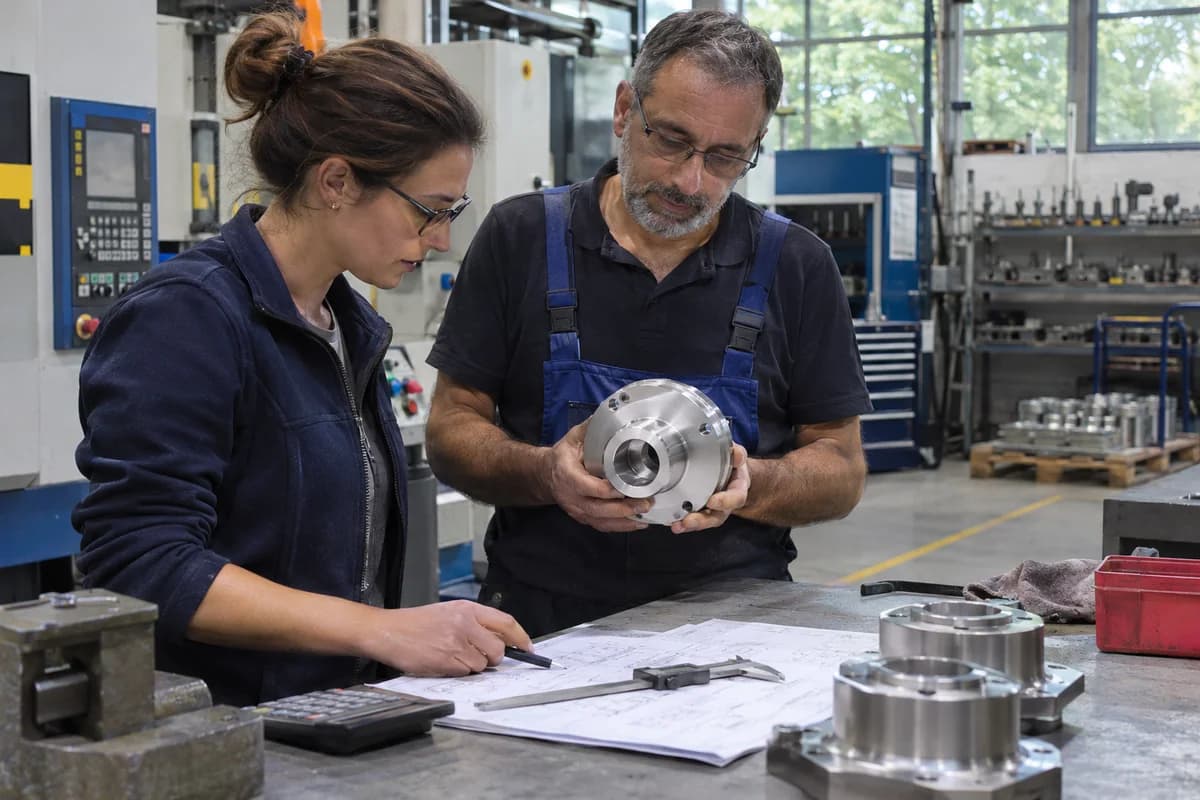
Cars define the valley. Two famous makers have their homes here, and a third of the smaller firms nearby seem to turn, mill or press something for them. Swabian shops are known for careful work and slow decisions about change.
Wine is the quieter trade. Estates on the slopes above the Neckar press, store and bottle in small lots, and they sell to restaurants, private buyers and the visitors who climb up to the tasting rooms. The Volksfest on the Cannstatter Wasen fills the autumn. Our working day overlaps with the Stuttgart morning, so design reviews can sit in that window.
The districts, business parks and markets that matter in Stuttgart.
How Stuttgart businesses pick and use software.
Plant owners in family firms who supply automotive customers and must prove every measurement.
Estate owners who sell by the case and run a tasting room next to the cellar.
Where Stuttgart businesses lose time and money.
Gauge and inspection records are loose
A customer audit asks for the last calibration of a gauge and the readings on a batch, and both are buried in folders that only one long-serving inspector can read. Linking gauges, readings and batches in one system answers the auditor on the spot.
Tool wear is learned too late
A press tool wears slowly, then a bad run ruins a shift. Each stroke adds to the wear. Counting strokes per tool and flagging service at a set count turns a surprise into a planned stop.
Tasting room and cellar disagree
Wine is racked, blended and bottled in lots, and the tasting room sells from a shelf. A lot record that follows wine from tank to bottle to sale keeps both numbers honest.
What we would build for Stuttgart businesses.
Usually in this order, starting with whatever the audit ranks first.
ERP, CRM and Business Software Implementation
One record of stock, orders, customers and accounts, set up so your team opens it every day.
Learn moreIoT and Edge Computing
Machine and sensor readings connected to office records, with buffering limits and recovery after a lost connection defined.
Learn moreQA and Software Testing
Testing on the phones, browsers and patchy networks your customers and staff actually use.
Learn moreData Migration and Moving Off Spreadsheets
Data migration and spreadsheet replacement covers auditing existing files, cleaning and deduplicating records, loading them into a new system and reconciling the loaded result against known totals. Both systems then run side by side before cutover. Originals stay untouched.
Learn moreReady products that fit Stuttgart businesses.
Each one is adapted to how your business works before it goes live, and anything your trade needs that it lacks is added then. You are not paying to build the basics again.
Tool Room Management Software
Progressive die, injection mould and gauge projects with stage hours, bills of parts, tryouts, spares and regrind jobs for tool rooms.
Learn moreMachine Tool Manufacturer Management Software
Quotations, casting and bed machining, spindle and screw assembly, run-in, accuracy tests, installation, training and spares for machine tool manufacturers.
Learn moreWinery Management Software
Harvest intake, vintage and lot records, tank and barrel register, bottling, cellar stock, cellar door, wine club and trade orders for wineries.
Learn moreHow the work runs from Bengaluru for Stuttgart.
- 1
The audit, by call
A screen-share and a look at the sheets, accounting reports and WhatsApp groups your team uses. No travel needed.
- 2
A written proposal
Scope, what we build first and the cost, agreed in writing before anything starts.
- 3
Build in short rounds
Working screens shared every few weeks. Your team tests them from your own office.
- 4
Go-live, in person when it helps
For data migration and training we can come to Stuttgart. Travel is agreed in advance.
- 5
Support online
Fixes, changes and hosting handled remotely by the same team that built it.
The work we have published.
We don’t claim Stuttgart clients we don’t have. These are systems our team built; the way we work is the same wherever you are.
PetSeva: matching owners to the right vet, at any hour
A two-sided veterinary platform where vets are searchable by specialisation and bookable outside clinic hours. It now carries more than 2,000 veterinary doctors.
Read the case study Paying guest accommodationSAM Atithi Pavathi: bed-level occupancy as the source of truth
PG management software where allocation, rates and invoices are derived from bed-level occupancy and not maintained in parallel spreadsheets.
Read the case study School transport servicesSAM Tours: school transport on a single ledger
Registration, fee collection, routing and finance write to the same records, closing the gap between journeys run and fees collected.
Read the case study Microfinance and Self Help GroupsVikasa RDO: making SHG loan recovery auditable
Loan proposals, recoveries and commissions sit on one record, with a person attached to every state change, so a business handling a bank’s money can show where each rupee went.
Read the case studyMake the scope specific to your business.
Work through a real example from your operation and agree the handoffs, controls and support the project needs.
Gauge and inspection records are loose
Who decides whether a failed result blocks the next step?
For “Gauge and inspection records are loose”, bring an accepted result and a failed one. Agree who can authorise an exception and what evidence must accompany that decision.
Background reading: ERPNext: inspection criteria
Questions Stuttgart owners ask before they call.
Can you connect the system to our CNC machines?
Often, yes. Newer controls can send run data over a standard connection and older ones may need a small add-on. We check each machine in a short survey before promising anything.
Our customer wants digital delivery notes. Is that possible?
Yes. The system can create the note, attach the inspection sheet and send both in the format the customer’s portal expects. We test with a sample first, using the specification the customer gives you.
What happens after I share my requirements?
We review your brief and clarify the work with you. We then look at the software, spreadsheets and WhatsApp groups your business runs on today and write down what works, what slows your team down and what is missing. A demo login, a screen-share or a few screenshots are enough. You get a short written summary ordered by priority, with no obligation to hire us afterwards.
How much will the software cost?
We don’t publish a price, because it depends on what the system has to do. That first review settles the scope, and the cost goes into a written proposal before any work starts.
Industries we build for in Stuttgart.
Tell us what your Stuttgart business runs on today.
Send a short note on the spreadsheets, software or WhatsApp groups your team depends on. We reply the same working day.
What happens after you share your requirements
- We review your brief and the systems you already use.
- We clarify the workflow, missing information and the work to consider first.
- The proposed scope sets out the deliverables, responsibilities and dependencies.
- Review the scope and commercial terms before deciding whether to proceed.
Start with your requirements
Describe your current process, the people involved and the change you need. Start with the details you know; we can clarify the rest together.
Share your requirements