Order, job and invoice software for German workshops, planners and trade firms, supported from Bengaluru.
Germany’s small and mid-sized firms make parts, install equipment, plan buildings and move freight, and most keep careful paper trails. They invoice with Umsatzsteuer, archive records for years and expect data to stay protected. GullySystem, a Bengaluru company, writes the software for that routine and supports it remotely, with no office in Germany.
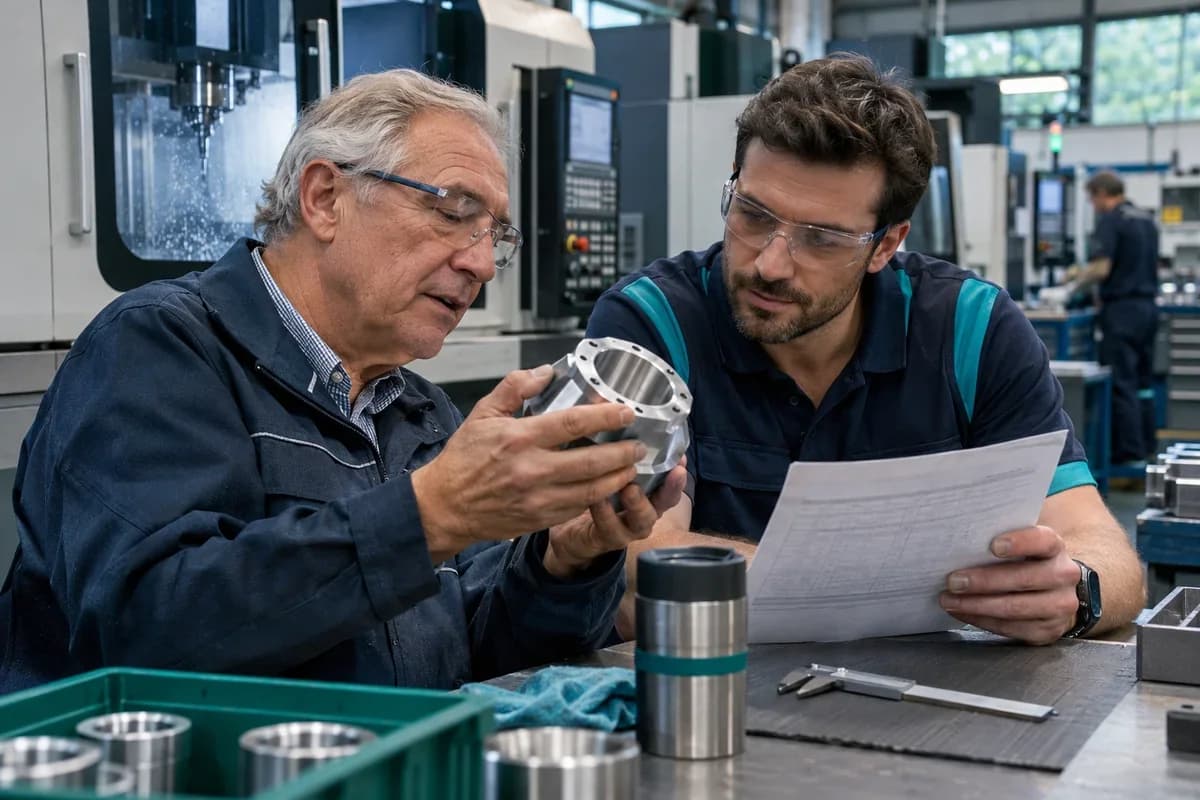
Working with a team in India from Germany.
The Mittelstand is a loose name for family-run firms that make tools, parts and machines, or install and service them. These firms have a few dozen staff, a long customer list and a reputation to protect. Quotes, drawings, delivery notes and invoices must match each other.
Nagarbhavi in Bengaluru is where we work from. Germany has no office, staff or licence of ours; sessions run over video and email, and we do not claim German customers or partners. What you get is careful software and honest delivery, with nothing oversold.
What changes when your business is in Germany.
Hours, money, language and data are decided with you at the start, not discovered later.
What the software has to fit.
The filing cycles, payment habits and licences a small business there already works around.
Trades we write for in Germany.
Products that fit them.
Capabilities often asked for.
What we would build for Germany businesses.
Usually in this order, starting with whatever the audit ranks first.
ERP, CRM and Business Software Implementation
One record of stock, orders, customers and accounts, set up so your team opens it every day.
Learn moreAPI and System Integration
Connections between existing tools, with record ownership, duplicate handling and reconciliation agreed for each flow.
Learn moreData Migration and Moving Off Spreadsheets
Data migration and spreadsheet replacement covers auditing existing files, cleaning and deduplicating records, loading them into a new system and reconciling the loaded result against known totals. Both systems then run side by side before cutover. Originals stay untouched.
Learn moreGlobal Compliance and Localisation
Software has to change for each country. Currency tables, VAT and sales tax codes, invoice layouts, translation files, storage regions and consent records are built as configuration that your team can edit without code changes. The legal question stays with your adviser.
Learn moreMake the scope specific to your business.
Work through a real example from your operation and agree the handoffs, controls and support the project needs.
Invoices and tax settings
Can you explain the balance from its original documents?
Select a partly settled example in “Invoices and tax settings”. Ask for the invoice, allocated receipts and remaining balance to be shown together before agreeing the opening figures.
Background reading: ERPNext: outstanding invoices
Payments and messaging
Can the same receipt be allocated without counting the money twice?
Take an unallocated amount in “Payments and messaging” and apply it to the intended balance. Review the remaining amount and the original receipt reference together.
Background reading: ERPNext: payment allocation
Questions from businesses in Germany.
Do you have an office or staff in Germany?
No. Our base is Bengaluru, and German firms are served remotely. Meetings happen over video. If you need someone on site, we will say so before any contract is signed.
Can the software produce German-language invoices?
Yes. Invoice text, headings and email templates can be set in German, English or both; your accountant should read the layout and approve it before use.
How does your work fit with the GDPR?
We can host data in a European Union region and limit who can see what. Your adviser decides retention and consent wording. The settings follow their instructions.
Will the invoices meet electronic invoicing rules?
Rules on structured invoices have been changing. The invoice data is kept clean, and the output format can be adjusted. Please confirm the current requirement with your Steuerberater first.
Can you connect to the accounting package our adviser uses?
Often, yes. Advisers want a standard export they can load into their own tools. We agree the file format with them early, then test it with real invoices so that the first month-end close holds no surprises.
What overlap will we have in the working day?
Several hours, most of them in your morning. Your named contact answers within a time written into the support plan, and urgent faults take a separate route that is agreed before launch.
Can drawings and revisions be attached to a job?
Each job holds the drawing file, its revision letter and the date it reached the shop, and a new revision marks the old one as superseded. Old files stay on record. The floor sees one drawing.
Can two workshops or sites share one system?
Each site keeps its own stock and job lists while the office sees both, and a part moved between sites leaves a transfer record at each end. Counts stay right on both shelves. Nobody retypes it.
Tell us what you run.
Share your requirements and an engineer will read them before getting in touch, at an hour that suits your day.
What happens after you share your requirements
- We review your brief and the systems you already use.
- We clarify the workflow, missing information and the work to consider first.
- The proposed scope sets out the deliverables, responsibilities and dependencies.
- Review the scope and commercial terms before deciding whether to proceed.
Start with your requirements
Describe your current process, the people involved and the change you need. Start with the details you know; we can clarify the rest together.
Share your requirements