Software for Irish restaurants, hotels, tradespeople and clinics, supported by video from Bengaluru.
Ireland has a very large number of micro firms: cafés, pubs, B&Bs, builders, electricians and one-room clinics. They deal with VAT returns every two months, euro payments by SEPA and a steady stream of online filings. GullySystem makes booking, billing and stock software around that rhythm and supports it remotely from India.
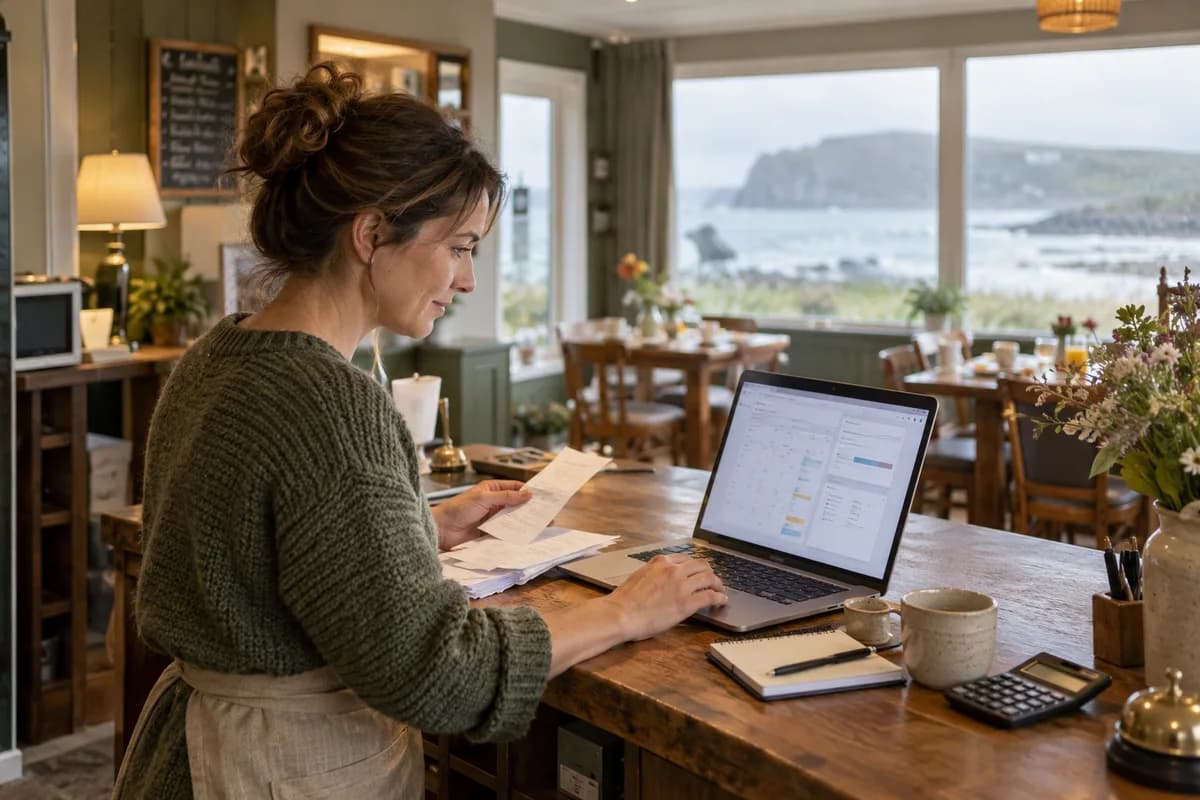
Working with a team in India from Ireland.
Small Irish businesses are run by one or two people who are also the cook, the electrician or the physio. Paperwork waits until the evening, and the accountant chases receipts for the VAT every two months return.
Our systems keep bookings, jobs, takings and bills together so that the figures are ready for that conversation. Work is delivered remotely by video from India. Your accountant stays in charge of filings, and we match the exports they ask for.
What changes when your business is in Ireland.
Hours, money, language and data are decided with you at the start, not discovered later.
What the software has to fit.
The filing cycles, payment habits and licences a small business there already works around.
Trades we write for in Ireland.
Products that fit them.
Capabilities often asked for.
What we would build for Ireland businesses.
Usually in this order, starting with whatever the audit ranks first.
ERP, CRM and Business Software Implementation
One record of stock, orders, customers and accounts, set up so your team opens it every day.
Learn moreAPI and System Integration
Connections between existing tools, with record ownership, duplicate handling and reconciliation agreed for each flow.
Learn moreData Migration and Moving Off Spreadsheets
Data migration and spreadsheet replacement covers auditing existing files, cleaning and deduplicating records, loading them into a new system and reconciling the loaded result against known totals. Both systems then run side by side before cutover. Originals stay untouched.
Learn moreTraining and Adoption
Adoption work starts after launch. Each role is trained at its own screen on its own tasks, such as billing returns, goods receipts or closing job cards. Support stands on the floor at go-live. Afterwards the records are reviewed to find which steps staff skip, which fields stay blank and why the stores or field team still reach for a notebook. Share your requirements and we will plan it with you.
Learn moreMake the scope specific to your business.
Work through a real example from your operation and agree the handoffs, controls and support the project needs.
Currency, tax and invoices
Can you explain the balance from its original documents?
Select a partly settled example in “Currency, tax and invoices”. Ask for the invoice, allocated receipts and remaining balance to be shown together before agreeing the opening figures.
Background reading: ERPNext: outstanding invoices
VAT returns every two months
What returns to stock, and what returns to the customer’s account?
Walk through “VAT returns every two months” using a partly paid sale. Agree the physical return and the financial correction separately, with a reference to the original transaction.
Background reading: ERPNext: returns and credits
Questions from businesses in Ireland.
Can the system produce VAT-ready reports?
Yes. Sales and purchase lines carry tax codes, and reports are shaped to what your accountant uses to prepare the return. They remain your filing, made through your own Revenue access. Filing stays with you.
Can data stay inside the EU?
We can plan EU hosting with you at the start and write it into the project notes; your adviser then reviews GDPR duties for your business. Hosting is planned early.
When are you available for calls?
Mostly in the Irish morning, which is the Indian afternoon; messages are answered on the next working day in India. Urgent support terms are agreed in the plan. Mornings work best.
How are contracts and payments handled from India?
Contracts are signed electronically and invoices are issued in an agreed currency. Ask your accountant how a foreign supplier invoice is recorded in your books. Ask your accountant.
At what point is a price given, and is it in euro?
Only after scoping. Screens are first shown running on your own invoices and VAT lines, then a quotation lists a price beside each part. Remove a part and the quotation changes. Invoicing is in euro or sterling, whichever was agreed when the project opened.
How long before an Irish firm is using it?
That depends on what goes into the opening release and which accounting link it needs. EU hosting arrangements and GDPR review with your adviser take their own turn. Prompt answers in the Irish morning keep things moving. Dates appear in the proposal itself.
Should we leave, where does our data go?
It stays yours. Source code and records belong to the business, and any record exports as a plain file on request. Hosting remains inside the EU region planned at the outset. Those who built it are those who support it.
Tell us what you run.
Share your requirements and an engineer will read them before getting in touch, at an hour that suits your day.
What happens after you share your requirements
- We review your brief and the systems you already use.
- We clarify the workflow, missing information and the work to consider first.
- The proposed scope sets out the deliverables, responsibilities and dependencies.
- Review the scope and commercial terms before deciding whether to proceed.
Start with your requirements
Describe your current process, the people involved and the change you need. Start with the details you know; we can clarify the rest together.
Share your requirements