Kuala Lumpur · CountriesKuala Lumpur’s restaurants, property developers and hotels serve a busy, multilingual capital.
Kuala Lumpur combines the towers around KLCC, the shopping streets of Bukit Bintang, old markets in Chow Kit and Petaling Street, and newer office hubs like Bangsar South. Food, property and hospitality drive daily trade. GullySystem works from Bengaluru, only a couple of hours behind Kuala Lumpur, so calls fall in a shared working day.
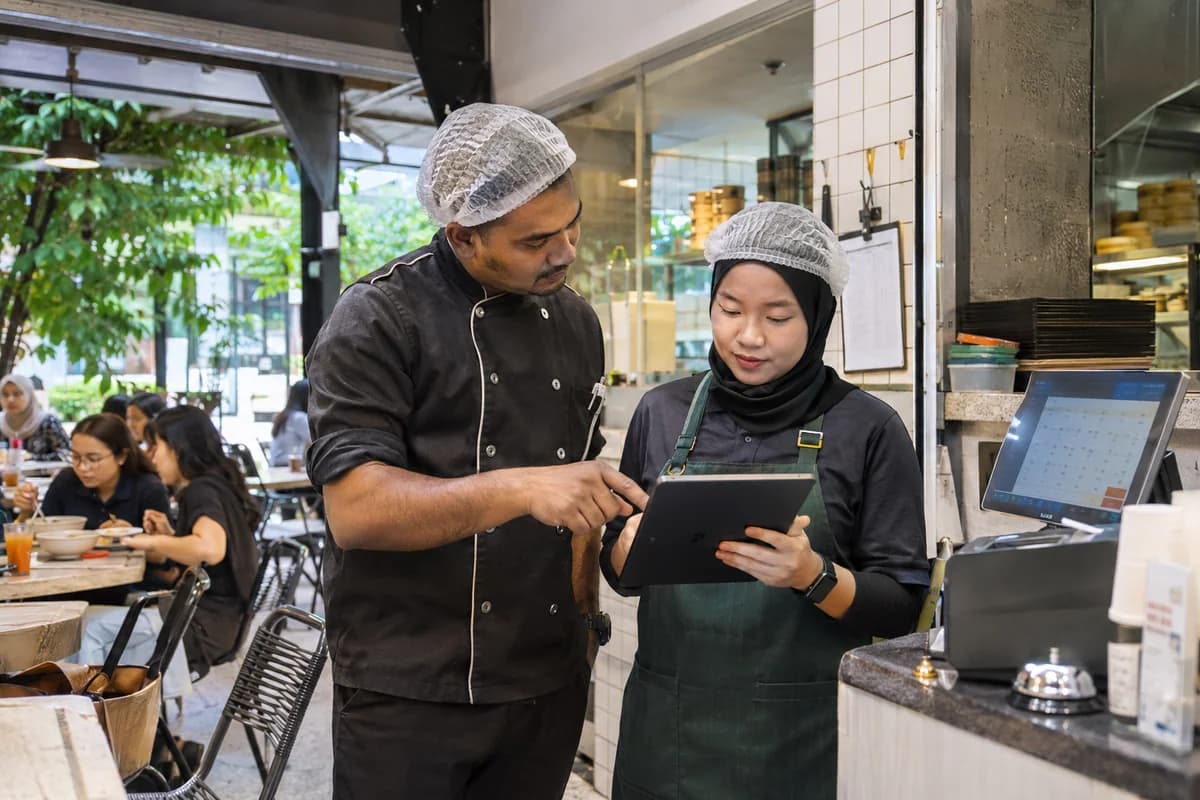
Kuala Lumpur eats out. Hawker stalls, mamak restaurants, Chinese kopitiams and hotel kitchens all run late, and they take orders through delivery apps as well as at the table. Menus change by the week. Staff move between Bahasa Malaysia, English, Mandarin and Tamil in one shift.
Property is the other great trade. Developers sell units off plan in Cheras, Mont Kiara and Bangsar South, and agents juggle viewings, bookings and loan paperwork for buyers who may be local or foreign. Hotels around Bukit Bintang and KLCC fill with business and leisure visitors, and the managers who run them watch occupancy every morning. Banks sit nearby.
The districts, business parks and markets that matter in Kuala Lumpur.
How Kuala Lumpur businesses pick and use software.
Owners of restaurant groups with several outlets who want sales, stock and staff hours visible without driving between sites.
Small developers and property agents who need bookings, buyer details and payment stages in one record.
Where Kuala Lumpur businesses lose time and money.
Delivery apps and the till do not agree
Orders arrive from two or three apps, each with its own report, and the till shows something else. Matching takes a day. Pulling every order into one list shows what each channel really earned.
Unit bookings are tracked in group chats
A sales agent hears from a buyer on a messaging app and notes the deposit in a notebook. A booking record that holds the unit, the buyer and each payment stage stops two agents promising the same unit.
Staff change shifts at short notice
Restaurants swap people between outlets as the crowd moves. Paper rosters are out of date by lunch. A shared roster on a phone shows who is where.
Hotel rates change but spreadsheets do not
Room rates move with events and holidays. Reservations arrive by agent, direct call and booking site. One view of rooms and rates avoids the double booking.
What we would build for Kuala Lumpur businesses.
Usually in this order, starting with whatever the audit ranks first.
E-Commerce and Digital Commerce
An online store or B2B order portal wired to your stock, billing and dispatch.
Learn moreAPI and System Integration
Connections between existing tools, with record ownership, duplicate handling and reconciliation agreed for each flow.
Learn moreWeb and Mobile Application Development
Web and mobile apps for customers, field staff and dealers, built to work on ordinary phones.
Learn moreWhatsApp Business API and Chatbots
WhatsApp Business API work covers number onboarding, template approval, opt-in records and a chatbot with human handover, all set up under the client’s own Meta account. It connects WhatsApp to a CRM, billing or booking system, so every message is sent from an existing record and every reply is written back. It suits businesses that already take orders, payments or bookings in chat.
Learn moreReady products that fit Kuala Lumpur businesses.
Each one is adapted to how your business works before it goes live, and anything your trade needs that it lacks is added then. You are not paying to build the basics again.
Restaurant Management System
Table and counter orders, kitchen tickets (KOT), menu and recipe stock, platform orders, POS billing with tax and day close for restaurants.
Learn moreReal Estate CRM
Enquiries, site visits, follow-ups, unit inventory, bookings with payment schedules, channel partners and documents, set up around your own projects.
Learn moreHotel Management Software
A property management system for room bookings, the reservation chart, front desk, housekeeping, rate plans, guest folios and banquet hall bookings in hotels and resorts.
Learn moreHow the work runs from Bengaluru for Kuala Lumpur.
- 1
The audit, by call
A screen-share and a look at the sheets, accounting reports and WhatsApp groups your team uses. No travel needed.
- 2
A written proposal
Scope, what we build first and the cost, agreed in writing before anything starts.
- 3
Build in short rounds
Working screens shared every few weeks. Your team tests them from your own office.
- 4
Go-live, in person when it helps
For data migration and training we can come to Kuala Lumpur. Travel is agreed in advance.
- 5
Support online
Fixes, changes and hosting handled remotely by the same team that built it.
The work we have published.
We don’t claim Kuala Lumpur clients we don’t have. These are systems our team built; the way we work is the same wherever you are.
PetSeva: matching owners to the right vet, at any hour
A two-sided veterinary platform where vets are searchable by specialisation and bookable outside clinic hours. It now carries more than 2,000 veterinary doctors.
Read the case study Paying guest accommodationSAM Atithi Pavathi: bed-level occupancy as the source of truth
PG management software where allocation, rates and invoices are derived from bed-level occupancy and not maintained in parallel spreadsheets.
Read the case study School transport servicesSAM Tours: school transport on a single ledger
Registration, fee collection, routing and finance write to the same records, closing the gap between journeys run and fees collected.
Read the case study Microfinance and Self Help GroupsVikasa RDO: making SHG loan recovery auditable
Loan proposals, recoveries and commissions sit on one record, with a person attached to every state change, so a business handling a bank’s money can show where each rupee went.
Read the case studyMake the scope specific to your business.
Work through a real example from your operation and agree the handoffs, controls and support the project needs.
Hotel rates change but spreadsheets do not
Which rule wins when two rates or offers apply?
Use “Hotel rates change but spreadsheets do not” to check an ordinary sale and one that meets two pricing conditions. Ask for the calculation behind each final amount, rather than only the total.
Background reading: ERPNext: pricing conditions
Unit bookings are tracked in group chats
What becomes available when a booking is moved or cancelled?
Use “Unit bookings are tracked in group chats” to move a booking, then cancel a second example. Check the released slot, the person or resource still assigned, and any amount left to settle before accepting the revised schedule.
Background reading: ERPNext: appointment records
Questions Kuala Lumpur owners ask before they call.
Can one system take orders in English, Bahasa Malaysia and Chinese?
Yes. Menu names and staff screens can switch between English, Bahasa Malaysia and Chinese, and a returning customer sees the language they picked last time. We would agree which languages your team needs before building.
Can it work with the e-wallets and DuitNow payments customers expect?
Through your payment provider’s interface. We would confirm which wallets your provider supports and what their fees are before connecting anything.
What happens after I share my requirements?
We review your brief and clarify the work with you. We then look at the software, spreadsheets and WhatsApp groups your business runs on today and write down what works, what slows your team down and what is missing. A demo login, a screen-share or a few screenshots are enough. You get a short written summary ordered by priority, with no obligation to hire us afterwards.
How much will the software cost?
We don’t publish a price, because it depends on what the system has to do. That first review settles the scope, and the cost goes into a written proposal before any work starts.
Industries we build for in Kuala Lumpur.
Elsewhere in Malaysia.
Tell us what your Kuala Lumpur business runs on today.
Send a short note on the spreadsheets, software or WhatsApp groups your team depends on. We reply the same working day.
What happens after you share your requirements
- We review your brief and the systems you already use.
- We clarify the workflow, missing information and the work to consider first.
- The proposed scope sets out the deliverables, responsibilities and dependencies.
- Review the scope and commercial terms before deciding whether to proceed.
Start with your requirements
Describe your current process, the people involved and the change you need. Start with the details you know; we can clarify the rest together.
Share your requirements