Software for Malaysian plantations, factories, hotels and restaurants, supported from Bengaluru over video and WhatsApp.
Malaysian businesses run on a mix of Bahasa Malaysia, English and Mandarin, with palm oil, electronics, tourism and food at the centre of the economy. Firms register with SSM, charge Sales and Service Tax, and take payment through DuitNow, FPX and e-wallets. Bengaluru builds and supports the software.
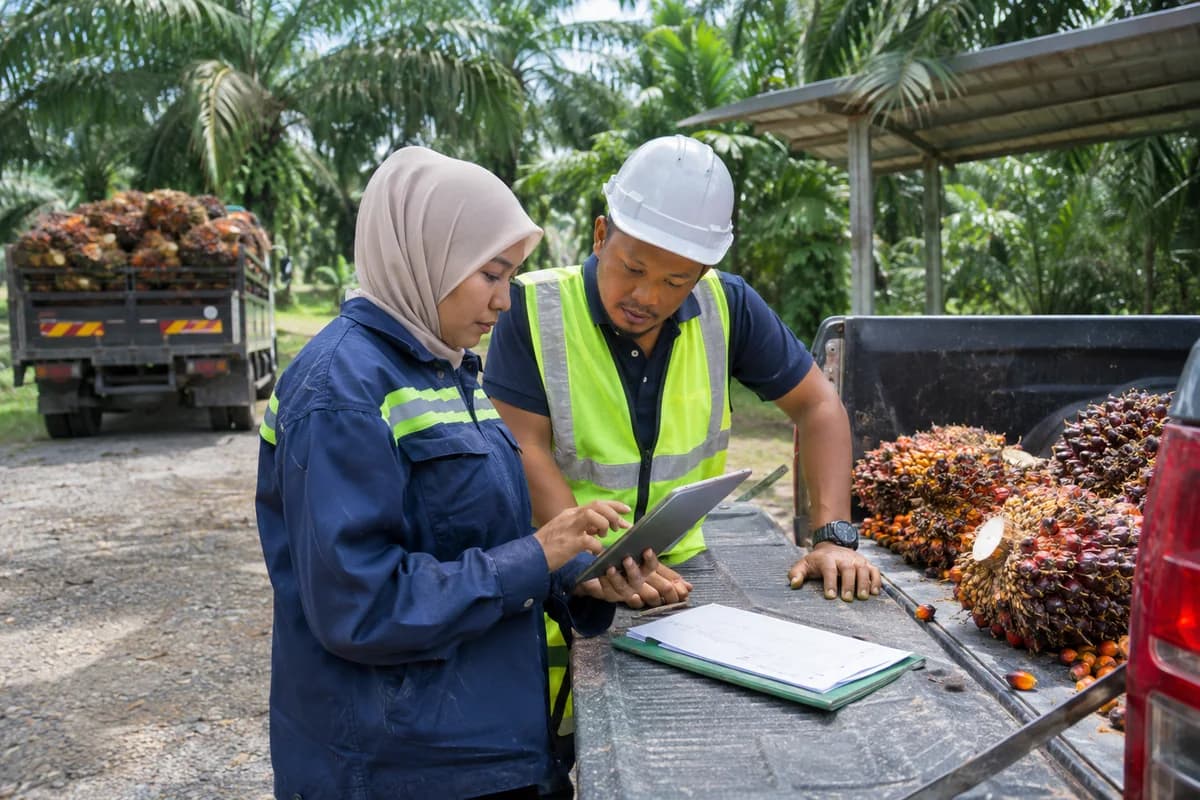
Working with a team in India from Malaysia.
Family-owned firms in Malaysia run as a Sdn Bhd, the private limited company. A plantation office keeps weighbridge slips and estate payroll, while a factory in Penang or Johor ships parts abroad and a restaurant in Kuala Lumpur takes orders on delivery apps. Each needs records that a mixed-language team can read.
Our company is in Bengaluru and keeps no office in Malaysia. Work happens by video, email and WhatsApp. No Malaysian customer is named here, and we hold no local licence. What you get is software built around your own jobs, invoices and stock, not a package bent to fit them.
What changes when your business is in Malaysia.
Hours, money, language and data are decided with you at the start, not discovered later.
What the software has to fit.
The filing cycles, payment habits and licences a small business there already works around.
Trades we write for in Malaysia.
Products that fit them.
Capabilities often asked for.
Cities we write software for in Malaysia.
What we would build for Malaysia businesses.
Usually in this order, starting with whatever the audit ranks first.
WhatsApp Business API and Chatbots
WhatsApp Business API work covers number onboarding, template approval, opt-in records and a chatbot with human handover, all set up under the client’s own Meta account. It connects WhatsApp to a CRM, billing or booking system, so every message is sent from an existing record and every reply is written back. It suits businesses that already take orders, payments or bookings in chat.
Learn moreERP, CRM and Business Software Implementation
One record of stock, orders, customers and accounts, set up so your team opens it every day.
Learn moreData Migration and Moving Off Spreadsheets
Data migration and spreadsheet replacement covers auditing existing files, cleaning and deduplicating records, loading them into a new system and reconciling the loaded result against known totals. Both systems then run side by side before cutover. Originals stay untouched.
Learn moreGlobal Compliance and Localisation
Software has to change for each country. Currency tables, VAT and sales tax codes, invoice layouts, translation files, storage regions and consent records are built as configuration that your team can edit without code changes. The legal question stays with your adviser.
Learn moreMake the scope specific to your business.
Work through a real example from your operation and agree the handoffs, controls and support the project needs.
Sales and Service Tax and e-invoicing
Can you explain the balance from its original documents?
Select a partly settled example in “Sales and Service Tax and e-invoicing”. Ask for the invoice, allocated receipts and remaining balance to be shown together before agreeing the opening figures.
Background reading: ERPNext: outstanding invoices
Payment habits and the working week
Can the same receipt be allocated without counting the money twice?
Take an unallocated amount in “Payment habits and the working week” and apply it to the intended balance. Review the remaining amount and the original receipt reference together.
Background reading: ERPNext: payment allocation
Questions from businesses in Malaysia.
Can invoices follow the Malaysian e-invoicing rules?
We can set the fields and layout your accountant specifies. Whether you must submit through the government portal, and from when, depends on your business, so ask your accountant first and we will build to what they tell us.
Do you support Bahasa Malaysia and Chinese text?
Documents and messages can be set up in Bahasa Malaysia, English and Chinese characters, and we test the printed invoice before anything goes to a customer. Wording in Bahasa Malaysia or Chinese comes from you or a reviewer you trust.
Will we reach you in our working day?
Mostly, yes. The gap is about two and a half hours, so your morning is our late morning, and Malaysian public holidays are marked on the shared calendar. Response times are set down in the support agreement.
Where would our data be stored?
Hosting is decided with you at the start. A region close to Malaysia is normally possible. Your adviser goes through personal data duties with us before launch.
Do we need a Malaysian partner to start?
No. Meetings run by video and screens are shared during training. Name one decision-maker on your team to approve every stage.
Can the system work with our existing accounts package?
Often, yes. We can link to the accounting package your firm already uses through its export files or its connection options. Your accountant stays in charge of how the numbers are filed.
Tell us what you run.
Share your requirements and an engineer will read them before getting in touch, at an hour that suits your day.
What happens after you share your requirements
- We review your brief and the systems you already use.
- We clarify the workflow, missing information and the work to consider first.
- The proposed scope sets out the deliverables, responsibilities and dependencies.
- Review the scope and commercial terms before deciding whether to proceed.
Start with your requirements
Describe your current process, the people involved and the change you need. Start with the details you know; we can clarify the rest together.
Share your requirements