Soy, beef, dairy, river freight and assembly plants in Paraguay, with software built and supported from Bengaluru.
Paraguay has no coast, and its rivers carry much of what it sells. Soy, maize, wheat and beef lead farm exports, and the Itaipú dam sends power to neighbours. Assembly plants sew clothes and wire parts for foreign brands. Ciudad del Este lives on cross-border trade. GullySystem, in Bengaluru, builds farm, dairy and freight software and supports it remotely.
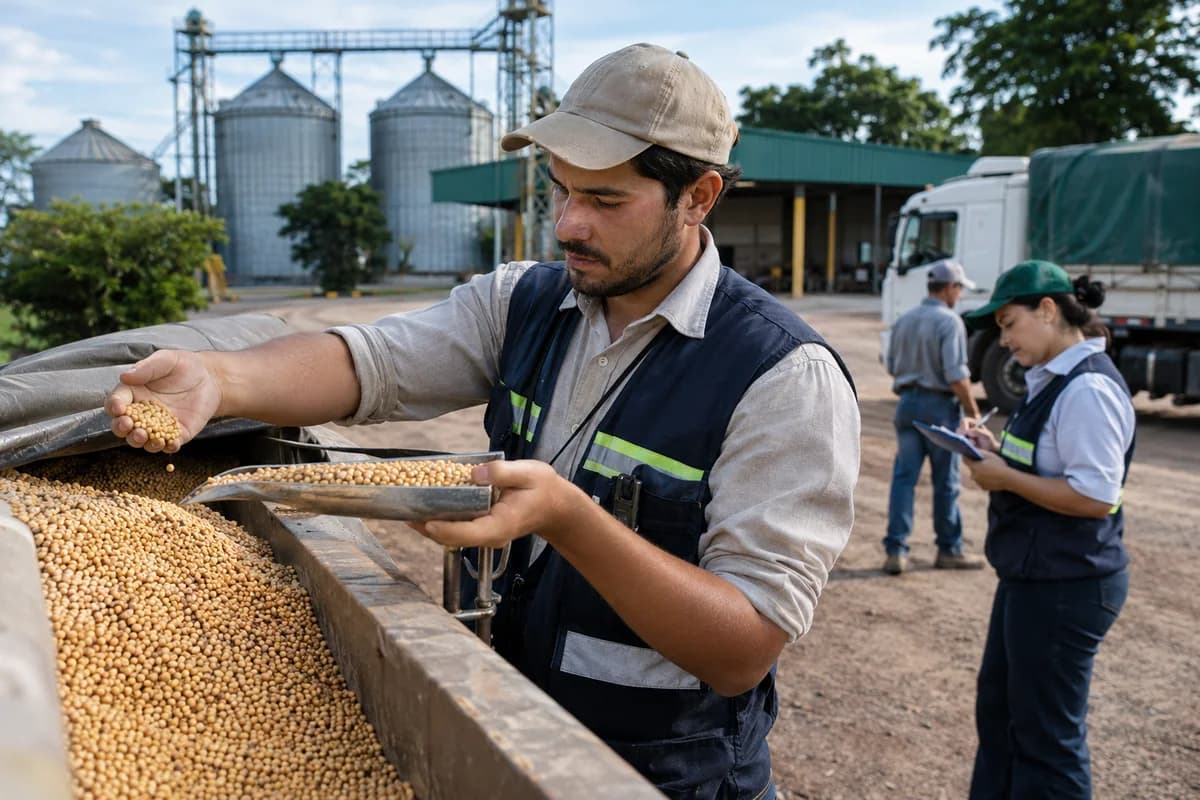
Working with a team in India from Paraguay.
Paraguay has no sea coast. Soy leaves on barges down the Paraná and Paraguay rivers, and trucks carry meat and grain to ports in Brazil, Argentina and Uruguay. Every sale therefore includes a chain of carriers, customs papers and storage, and the exporter pays for any delay. Farms in the east and ranches in the Chaco work in different climates but sell through the same few corridors.
Paraguay is behind India, and its clock rules have changed in recent years, so we confirm the current offset before setting a call. Our staff all live in Bengaluru. Paraguay holds none of our customers, partners or licences, and each proposal says that plainly.
What changes when your business is in Paraguay.
Hours, money, language and data are decided with you at the start, not discovered later.
What the software has to fit.
The filing cycles, payment habits and licences a small business there already works around.
Trades we write for in Paraguay.
Products that fit them.
Capabilities often asked for.
Cities we write software for in Paraguay.
What we would build for Paraguay businesses.
Usually in this order, starting with whatever the audit ranks first.
Global Compliance and Localisation
Software has to change for each country. Currency tables, VAT and sales tax codes, invoice layouts, translation files, storage regions and consent records are built as configuration that your team can edit without code changes. The legal question stays with your adviser.
Learn moreAPI and System Integration
Connections between existing tools, with record ownership, duplicate handling and reconciliation agreed for each flow.
Learn moreWhatsApp Business API and Chatbots
WhatsApp Business API work covers number onboarding, template approval, opt-in records and a chatbot with human handover, all set up under the client’s own Meta account. It connects WhatsApp to a CRM, billing or booking system, so every message is sent from an existing record and every reply is written back. It suits businesses that already take orders, payments or bookings in chat.
Learn moreIoT and Edge Computing
Machine and sensor readings connected to office records, with buffering limits and recovery after a lost connection defined.
Learn moreMake the scope specific to your business.
Work through a real example from your operation and agree the handoffs, controls and support the project needs.
IVA and electronic invoices
Can you explain the balance from its original documents?
Select a partly settled example in “IVA and electronic invoices”. Ask for the invoice, allocated receipts and remaining balance to be shown together before agreeing the opening figures.
Background reading: ERPNext: outstanding invoices
Soy and grain
Do purchasing, operating and billing quantities use the same unit?
Check the measurement unit and rounding used in “Soy and grain”. Compare the result with a known sample before accepting a converted quantity or calculated charge.
Background reading: ERPNext: units of measure
Questions from businesses in Paraguay.
Do you have an office in Paraguay?
None. We all work out of Bengaluru. A person needed on site would be named in the proposal first.
Can screens appear in Spanish or Guaraní?
Spanish and English work now. Guaraní labels need wording supplied and approved by your team.
Can you connect to the SIFEN system?
We can build the invoice link that your Paraguayan accountant asks for. The DNIT sets the rules, and your accountant approves every layout before use.
Can one system track a load from farm to port?
Yes. Weighbridge slips, truck trips and storage records can sit in one place, with each step dated.
Which Paraguayan businesses is this meant for?
Farms, ranches, dairies, freight firms, dealers and assembly plants are the usual fit.
Can field staff enter records without a signal?
Yes, phones can hold entries made in a paddock or on a ranch and send them once the signal returns. Rural coverage is patchy. We plan this with you, since a task such as weighing a truck needs the live figure at once.
Can the system warn us before vaccination dates?
Yes, each animal or group carries its treatment dates, and a reminder reaches the people you name before a date arrives. The vet’s instructions stay yours to set.
Tell us what you run.
Share your requirements and an engineer will read them before getting in touch, at an hour that suits your day.
What happens after you share your requirements
- We review your brief and the systems you already use.
- We clarify the workflow, missing information and the work to consider first.
- The proposed scope sets out the deliverables, responsibilities and dependencies.
- Review the scope and commercial terms before deciding whether to proceed.
Start with your requirements
Describe your current process, the people involved and the change you need. Start with the details you know; we can clarify the rest together.
Share your requirements