Seoul · CountriesSeoul’s clinics, fashion makers, music studios and online sellers compete on speed in a crowded capital.
Seoul pairs Gangnam’s cosmetic and dermatology clinics with the garment trade of Dongdaemun, the finance offices of Yeouido and the music studios behind the pop industry. Online sellers ship overnight to customers across the country. Fast turnarounds are expected everywhere. Booking, production and order systems for Seoul firms are developed in Bengaluru by GullySystem, which has no Korean office.
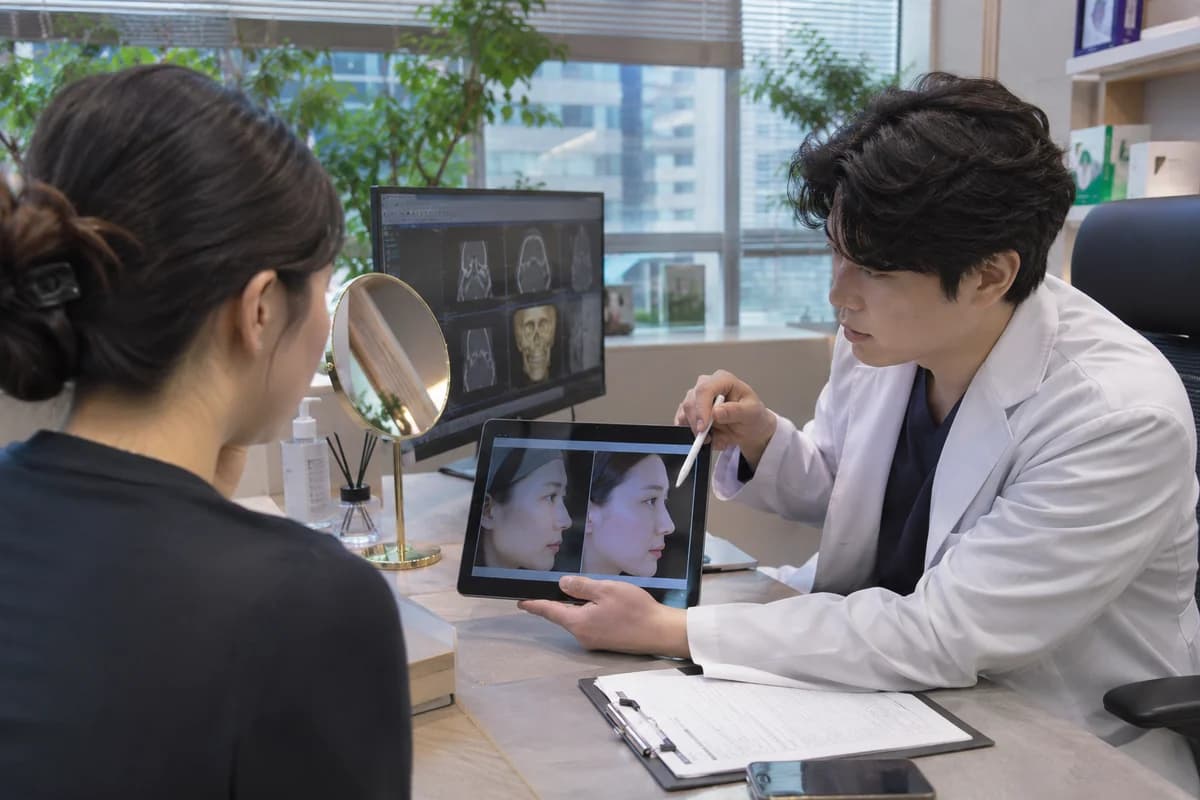
Gangnam is dense with clinics offering skin treatment and cosmetic surgery, and the clinics welcome patients from abroad who ask for a quote before they fly in. Consultation notes, before and after photos and follow-up visits all need careful storage. Patients compare several clinics at once.
Dongdaemun’s market buildings trade clothing around the clock, and small garment workshops nearby cut and sew in short runs. Studios in the capital record and edit music for labels, working to release dates that do not move. Seoul’s clocks read 3.5 hours later than Bengaluru, so a clinic’s morning meets our late morning.
The districts, business parks and markets that matter in Seoul.
How Seoul businesses pick and use software.
Clinic managers in Gangnam who handle foreign patient enquiries, consultation notes and follow-up visits across several languages.
Garment workshop owners behind Dongdaemun who cut short runs for wholesale buyers and need to know what is stitched and what is shipped.
Where Seoul businesses lose time and money.
Overseas enquiries are lost in chat apps
Patients write from other countries at odd hours, and replies sit unread until morning. A shared inbox that assigns each enquiry to a coordinator and tracks its quote through to the day of arrival stops the gaps in between.
Short runs lose track of cut pieces
A workshop cuts fabric for several styles at once, and tagging each bundle and recording its stage at each table shows which orders are late and where pieces are stuck.
Studio rooms are booked twice
Rooms are reserved by direct message and a notebook. One calendar with deposits and engineer assignment keeps a late booking from pushing out a paying band.
What we would build for Seoul businesses.
Usually in this order, starting with whatever the audit ranks first.
Web and Mobile Application Development
Web and mobile apps for customers, field staff and dealers, built to work on ordinary phones.
Learn moreWhatsApp Business API and Chatbots
WhatsApp Business API work covers number onboarding, template approval, opt-in records and a chatbot with human handover, all set up under the client’s own Meta account. It connects WhatsApp to a CRM, billing or booking system, so every message is sent from an existing record and every reply is written back. It suits businesses that already take orders, payments or bookings in chat.
Learn moreE-Commerce and Digital Commerce
An online store or B2B order portal wired to your stock, billing and dispatch.
Learn moreData Protection and Privacy Readiness
Personal data hides in odd places. We map every CRM, billing export, enquiry inbox and backup that holds it, then build consent records, access roles, retention jobs and a breach runbook into the software. Your lawyer reads the privacy law.
Learn moreReady products that fit Seoul businesses.
Each one is adapted to how your business works before it goes live, and anything your trade needs that it lacks is added then. You are not paying to build the basics again.
Plastic Surgery Clinic Management Software
Enquiries, consultations, private images, quotes, theatre bookings, implant records, deposits and aftercare reviews for plastic surgery clinics.
Learn moreApparel Manufacturer Management Software
Purchase orders by colour and size, fabric and trims, cutting lays, bundle tickets, sewing lines, outside processing, piece-rate pay and packing for garment makers.
Learn moreRecording Studio Management Software
Room bookings with deposits, engineer rosters, session sheets, revision rounds, gear hire, packages and invoices for recording studios.
Learn moreHow the work runs from Bengaluru for Seoul.
- 1
The audit, by call
A screen-share and a look at the sheets, accounting reports and WhatsApp groups your team uses. No travel needed.
- 2
A written proposal
Scope, what we build first and the cost, agreed in writing before anything starts.
- 3
Build in short rounds
Working screens shared every few weeks. Your team tests them from your own office.
- 4
Go-live, in person when it helps
For data migration and training we can come to Seoul. Travel is agreed in advance.
- 5
Support online
Fixes, changes and hosting handled remotely by the same team that built it.
The work we have published.
We don’t claim Seoul clients we don’t have. These are systems our team built; the way we work is the same wherever you are.
PetSeva: matching owners to the right vet, at any hour
A two-sided veterinary platform where vets are searchable by specialisation and bookable outside clinic hours. It now carries more than 2,000 veterinary doctors.
Read the case study Paying guest accommodationSAM Atithi Pavathi: bed-level occupancy as the source of truth
PG management software where allocation, rates and invoices are derived from bed-level occupancy and not maintained in parallel spreadsheets.
Read the case study School transport servicesSAM Tours: school transport on a single ledger
Registration, fee collection, routing and finance write to the same records, closing the gap between journeys run and fees collected.
Read the case study Microfinance and Self Help GroupsVikasa RDO: making SHG loan recovery auditable
Loan proposals, recoveries and commissions sit on one record, with a person attached to every state change, so a business handling a bank’s money can show where each rupee went.
Read the case studyMake the scope specific to your business.
Work through a real example from your operation and agree the handoffs, controls and support the project needs.
Overseas enquiries are lost in chat apps
Which observation would change the proposed scope?
For “Overseas enquiries are lost in chat apps”, observe someone completing the task with a representative example. Record where they stop, ask another person or re-enter information, then choose the smallest change whose result the team can verify.
Background reading: GOV.UK: researching user needs
Questions Seoul owners ask before they call.
Can clinic software keep patient photos and notes private?
Yes. Photos and notes sit behind named logins with each login limited to its own role, with each view written to a log. Korean privacy law is specific, so we ask your own adviser to confirm the retention rules before we set the system up.
Can a booking page work in Korean, English and Chinese?
Yes. Each language gets its own text file inside the page, and someone on your team who reads that language checks every message. A first version with two languages comes before the third is added.
What happens after I share my requirements?
We review your brief and clarify the work with you. We then look at the software, spreadsheets and WhatsApp groups your business runs on today and write down what works, what slows your team down and what is missing. A demo login, a screen-share or a few screenshots are enough. You get a short written summary ordered by priority, with no obligation to hire us afterwards.
How much will the software cost?
We don’t publish a price, because it depends on what the system has to do. That first review settles the scope, and the cost goes into a written proposal before any work starts.
Industries we build for in Seoul.
Tell us what your Seoul business runs on today.
Send a short note on the spreadsheets, software or WhatsApp groups your team depends on. We reply the same working day.
What happens after you share your requirements
- We review your brief and the systems you already use.
- We clarify the workflow, missing information and the work to consider first.
- The proposed scope sets out the deliverables, responsibilities and dependencies.
- Review the scope and commercial terms before deciding whether to proceed.
Start with your requirements
Describe your current process, the people involved and the change you need. Start with the details you know; we can clarify the rest together.
Share your requirements