Production, traceability and order software for Korean electronics, battery and fulfilment firms, supported from Bengaluru.
South Korea’s smaller firms make circuit boards, battery packs and vehicle parts, or pack and ship online orders at speed. Firms sell into a few giant buyers with strict demands. GullySystem is a Bengaluru company that writes software for such routines and backs it remotely, without any office in Korea.
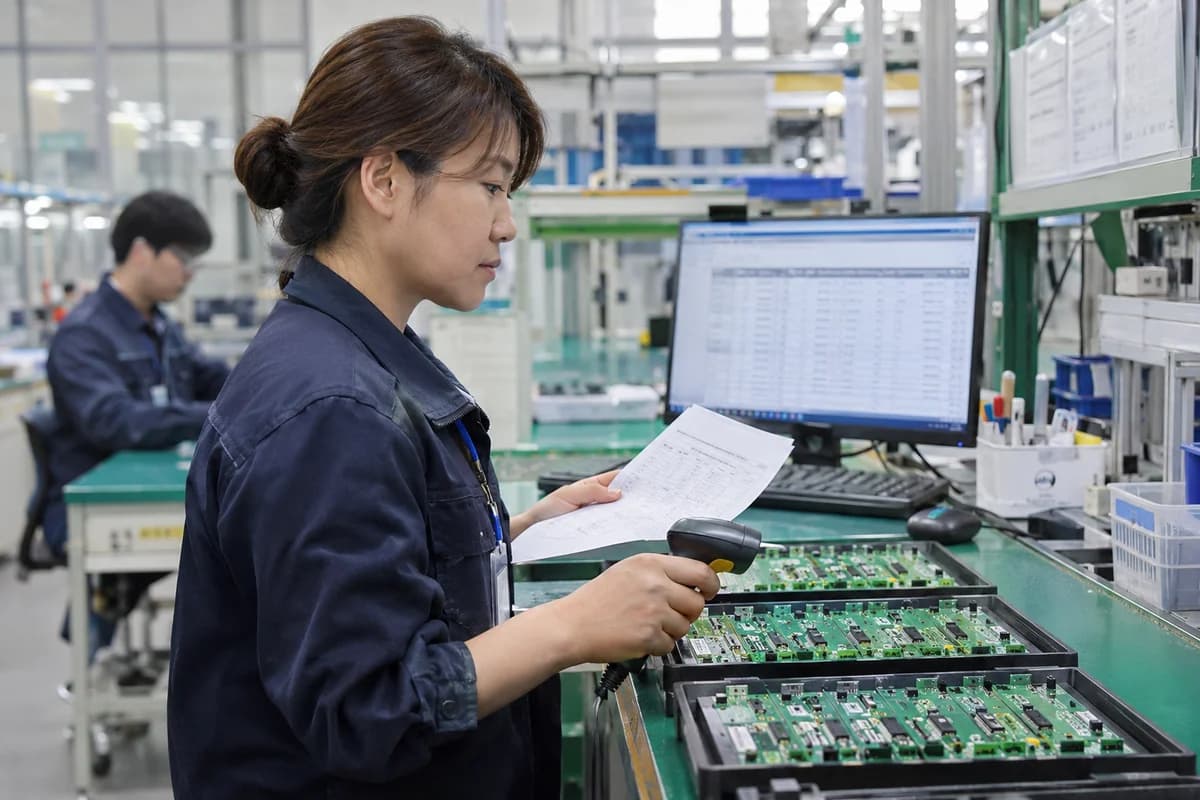
Working with a team in India from South Korea.
Korean industry is shaped by large groups and the suppliers around them, so a board maker or pack assembler may depend on a few big customers who audit closely. They expect answers within hours. Weak records cost orders.
Our team is in Nagarbhavi, Bengaluru. Seoul, Busan and every other city are served from a distance, and no one of ours is stationed in Korea. We name no Korean customers or partners, since we have none, and we state this before any agreement.
What changes when your business is in South Korea.
Hours, money, language and data are decided with you at the start, not discovered later.
What the software has to fit.
The filing cycles, payment habits and licences a small business there already works around.
Trades we write for in South Korea.
Products that fit them.
Capabilities often asked for.
What we would build for South Korea businesses.
Usually in this order, starting with whatever the audit ranks first.
ERP, CRM and Business Software Implementation
One record of stock, orders, customers and accounts, set up so your team opens it every day.
Learn moreAPI and System Integration
Connections between existing tools, with record ownership, duplicate handling and reconciliation agreed for each flow.
Learn moreGlobal Compliance and Localisation
Software has to change for each country. Currency tables, VAT and sales tax codes, invoice layouts, translation files, storage regions and consent records are built as configuration that your team can edit without code changes. The legal question stays with your adviser.
Learn moreData Migration and Moving Off Spreadsheets
Data migration and spreadsheet replacement covers auditing existing files, cleaning and deduplicating records, loading them into a new system and reconciling the loaded result against known totals. Both systems then run side by side before cutover. Originals stay untouched.
Learn moreMake the scope specific to your business.
Work through a real example from your operation and agree the handoffs, controls and support the project needs.
Online selling and fulfilment
Which location and stock state support the delivery promise?
Use “Online selling and fulfilment” to follow an item moved between two locations. Distinguish stock on hand, stock already committed and stock still travelling before presenting an available quantity to a buyer.
Background reading: Shopify: inventory and locations
Tax invoices and VAT
Can you explain the balance from its original documents?
Select a partly settled example in “Tax invoices and VAT”. Ask for the invoice, allocated receipts and remaining balance to be shown together before agreeing the opening figures.
Background reading: ERPNext: outstanding invoices
Questions from businesses in South Korea.
Do you have an office in Korea?
No. We work from Bengaluru, and Korean firms are helped at a distance. If your project needs a person on site, we say so plainly before any contract is signed.
Can the screens and documents be in Korean?
Yes. Korean, English or both can appear on screens, labels and customer papers. We ask a Korean colleague of yours to review the final text, because native judgement beats ours.
Does it support electronic tax invoices?
It can store the fields and produce the documents your accountant specifies. Rules on who must issue electronic invoices, and in what form, can change. Confirm the exact setup with a Korean tax adviser.
Is the time difference a problem?
Rarely. Korea sits 210 minutes ahead of India, so the working days overlap for most of the day. Regular calls are easy to place.
Can you connect to our existing systems and shop platforms?
Often, yes. We link order, stock and accounting tools through their interfaces where these exist. We review each system first and tell you honestly what can be joined and what cannot.
How do you handle supplier audits from large buyers?
The software keeps dated records of batches, checks and changes, with a log of who did what. Those records answer most audit questions quickly. Questionnaires about our own security are answered in writing.
Can we replace paper route cards on the line?
Each operator signs in on a screen at the station, picks the job, and records good and scrapped quantities that the supervisor can read from the office. The route card becomes a record the quality team can search. Search replaces the filing cabinet.
How do returns work for an online seller?
A return is scanned at the dock and matched to the original order. The picker marks it as resaleable, damaged or for inspection, and the client sees that status on its own screen before the next stock report is sent. Resaleable items go back into stock at once.
Can a cosmetics maker link each shipment to its batch?
Each batch holds its ingredient lots, filling date and expiry date. Every shipment line points to a batch, so a recall notice finds the exact customers, and export papers draw their lot details from the same record. Search works from either end.
Tell us what you run.
Share your requirements and an engineer will read them before getting in touch, at an hour that suits your day.
What happens after you share your requirements
- We review your brief and the systems you already use.
- We clarify the workflow, missing information and the work to consider first.
- The proposed scope sets out the deliverables, responsibilities and dependencies.
- Review the scope and commercial terms before deciding whether to proceed.
Start with your requirements
Describe your current process, the people involved and the change you need. Start with the details you know; we can clarify the rest together.
Share your requirements