Billing and Payments for Ayurveda Clinics
One bill covers the consultation, therapy sittings, medicines and room charges for a patient. Advances, package balances and part payments are recorded, and payment is taken in cash, UPI or card.
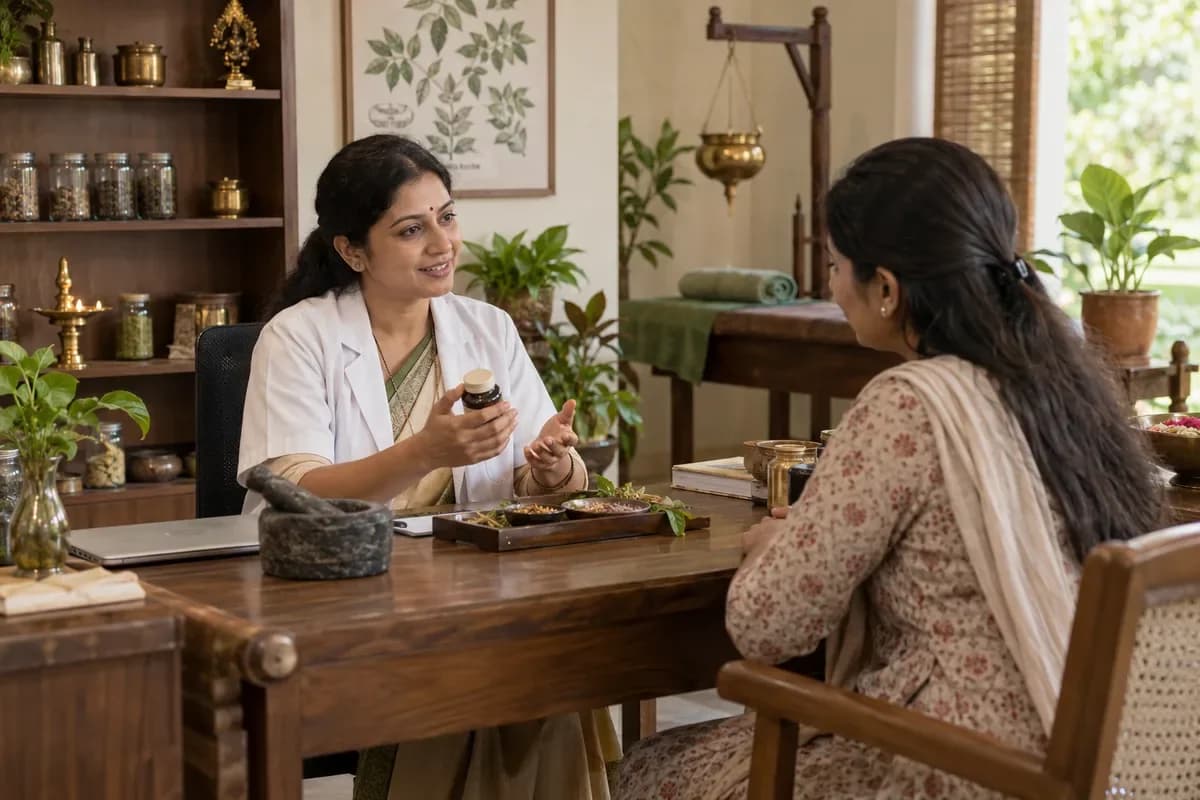
What goes on a treatment bill
Ayurveda billing mixes small payments and large ones. A consultation costs little, and a residential course costs a great deal. The same counter must handle both without confusion. Patients also expect clear answers about what the fee included, so the printed bill matters as much as the total.
Advances, packages and part payment
A patient may pay in advance for a course. The advance sits as a balance from which each completed sitting is taken. Part payments are recorded too, and the amount still pending shows on the patient’s record.
How a Panchakarma package differs from a pay-per-visit patient
A seven-day or fourteen-day package is sold as a whole, but delivered one day at a time. That gap between sale and delivery is where disputes begin. Clinics that bill well decide the rules before the first patient is admitted.
Payments and the books
Each payment is recorded with its mode, whether cash, UPI or card. The day’s collection is totalled by counter and by mode. GST treatment of consultation, therapy and medicines depends on how the clinic is registered, and is a matter for its accountant. Reports can be handed to that accountant.
Questions for the clinic’s accountant before billing is set up
Short answers from the accountant save re-printing invoices later.
- Whether consultation, therapy and medicines are invoiced together or on separate series
- What goes on the invoice for a patient who stays
- How advances are shown in the books
- How a refund or a credit note is raised
- Which register the dispensary sale belongs to
Counter routines that keep the day’s cash right
In a small clinic one counter handles consultation fees, therapy payments and medicine sales. Mistakes grow when these blur together.
What the client decides
The bill follows the prices and rules the clinic enters. It does not decide tax treatment.
- The fee list for consultations, therapies and rooms
- Package prices and how sittings are counted
- Who may give a discount and up to what limit
- Invoice layout and numbering
- Whether known patients may take credit
Billing take-home medicine alongside the consultation
Ayurveda patients leave with decoctions, tablets, oils and powders meant to last a whole course of treatment. The dispensary bill is part of the same visit, so the desk must bill it with care and check it against the prescription. Quantity, batch and price all matter here.
Agree the evidence before signing off this part.
Use a representative scenario to decide what this part of the system must show and where review is still needed.
Payments and the books
Can the same receipt be allocated without counting the money twice?
Take an unallocated amount in “Payments and the books” and apply it to the intended balance. Review the remaining amount and the original receipt reference together.
Background reading: ERPNext: payment allocation
Questions for the clinic’s accountant before billing is set up
Can you explain the balance from its original documents?
Select a partly settled example in “Questions for the clinic’s accountant before billing is set up”. Ask for the invoice, allocated receipts and remaining balance to be shown together before agreeing the opening figures.
Background reading: ERPNext: outstanding invoices
Frequently asked questions
Can a patient pay for a whole course in advance?
Yes. The advance is held as a balance, and each sitting done is taken from it. What remains is visible at the desk.
Does one bill cover medicines and therapy together?
Yes. Consultation, therapy, medicines and room charges can sit on one bill, or be split if the clinic prefers.
Can discounts be restricted?
Yes. The clinic names who may give a discount, and the limit for each role.
Does it prepare GST returns?
No. It records invoices and reports for your accountant. How tax applies to each service is for the accountant to advise.
What happens to the advance if a patient stops midway?
The sittings done are billed and the rest of the advance is settled by the clinic’s refund rule. The desk sees the balance and the history before deciding.
Can a family share one advance?
Whether one advance can cover several family members is a clinic rule. It is raised at scoping, since it changes how balances are held.
Can a patient pay by UPI and cash on the same bill?
Yes. A bill can be split across modes, and each part is recorded with its own mode.
Can a bill be printed again if a patient loses it?
A copy can be printed from the patient’s record. It carries a copy mark, so nobody mistakes it for a second sale. Then the copy goes out to the patient.
How this feature fits the system.
Ayurveda Clinic Management Software: the parts that work with this feature, the trades that use it and the ways to put it in place.
Appointments and token queue
Reception books appointments and walk-ins by vaidya, runs the token queue, and handles reschedules and cancellations from the same list.
Appointment SchedulingTherapy rooms and therapists
Treatment tables, steam rooms and therapists are scheduled together, so the therapy coordinator never books one room for two patients at once.
Resource and Room BookingMedicine dispensary and pharmacy stock
The dispensary issues kashayams, choornams, tablets, arishtams and oils from batches, with expiry dates and reorder levels watched for each item.
Stock Tracking and AlertsTell us what you need.
Tell us what your team does today, where work gets stuck and what you want to change.
What happens after you share your requirements
- We review your brief and the systems you already use.
- We clarify the workflow, missing information and the work to consider first.
- The proposed scope sets out the deliverables, responsibilities and dependencies.
- Review the scope and commercial terms before deciding whether to proceed.
Start with your requirements
Describe your current process, the people involved and the change you need. Start with the details you know; we can clarify the rest together.
Share your requirements