Patient Case Sheets for Ayurveda Clinics
The case sheet holds each patient’s details, history, prakriti notes and every earlier visit in one record. Vaidyas, the front desk and the dispensary open the same sheet.
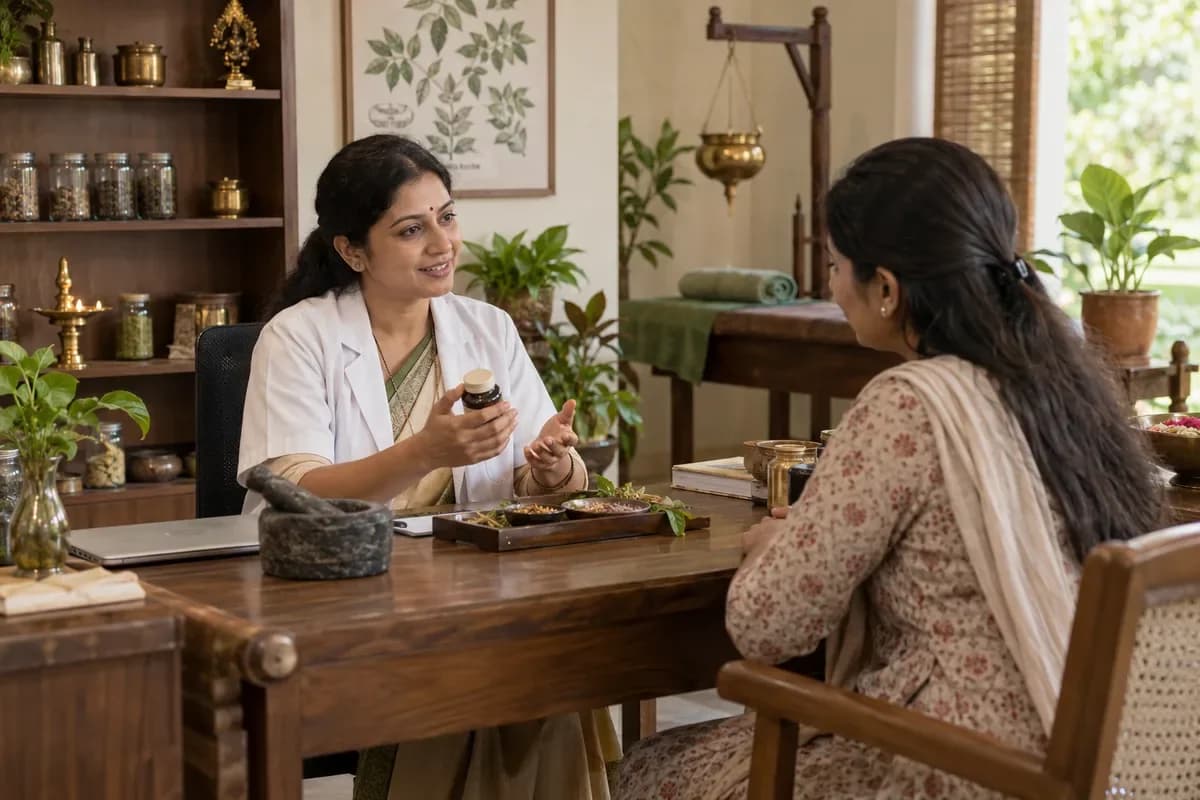
What the case sheet holds
The case sheet is the heart of the system. Every other screen reads from it or writes to it. A careful start here, with sensible headings and a clear rule on who may edit, saves trouble at every later step.
Who opens the sheet
The front desk registers the patient and keeps contact details current. Vaidyas read and write the clinical notes, while therapists see the therapy advised. Any caution the vaidya has marked shows on the therapist’s list. The dispensary sees the prescription it must fill. The clinic decides which screens each role may open.
Where the sheet leads next
A saved consultation passes to the prescription, and from there to the dispensary and the treatment course, so no detail is entered a second time. The same sheet feeds the list of patients due for review.
Moving from paper case sheets to a digital record
A clinic already holds years of paper sheets, written in a local language and in a vaidya’s shorthand. Nobody wants to retype them all. A sensible move is gradual.
Questions a vaidya may ask before switching
Doubts are fair, and the answers belong in the scoping notes.
- Will my own headings and abbreviations be allowed?
- Can I write in Kannada, Hindi or another language?
- How quickly can I find a patient’s last prescription?
- Who else sees what I write about a patient?
- What happens to the paper sheet after it is keyed in?
Keeping a sheet readable years later
A case sheet is read long after it was written, by someone other than the writer. Readability is a habit, not a feature. Registration is where most duplicates are born. A desk that asks for a phone number first and searches before creating a record avoids them. Merging two sheets later is slow and risky, so catching a repeat patient at the door is the cheaper fix.
What the client decides
The sheet stores what the vaidya writes. It does not diagnose and does not suggest treatment.
- Which headings appear for a first visit and for a follow-up
- Whether notes are typed in English, Kannada or another language
- Which roles may read or edit clinical notes
- How old paper sheets come in, by typing or by scan
- How long records are kept, a matter for the clinic and its advisor
The case sheet through a patient’s year
A case sheet lives longer than any single visit. Over a year it gathers every consultation, therapy and medicine. Four moments show how different people at the clinic use it, from the first registration to a visit months later. Watch it grow.
Agree the evidence before signing off this part.
Use a representative scenario to decide what this part of the system must show and where review is still needed.
What the case sheet holds
Which observation would change the proposed scope?
For “What the case sheet holds”, observe someone completing the task with a representative example. Record where they stop, ask another person or re-enter information, then choose the smallest change whose result the team can verify.
Background reading: GOV.UK: researching user needs
Frequently asked questions
Can old paper case sheets be added?
Yes. They can be typed in at the next visit or scanned and attached. The clinic chooses which way suits its volume.
Can notes be written in a regional language?
Yes. Notes can be typed in the language the vaidya works in, and the headings can follow it.
Who can change a sheet after the visit?
Only the roles the clinic names. Each change adds to the record, and the earlier entry stays in view.
Does the sheet suggest a diagnosis?
No. It stores the vaidya’s own findings and diagnosis. Treatment decisions stay with the vaidya.
Is a duplicate record created when a patient returns?
Registration flags a patient who already has a record, so the desk opens the existing sheet instead of making a second one.
Can family members be linked?
Contact details can carry a guardian’s name. Whether a family is grouped under one household is raised at scoping.
How this feature fits the system.
Ayurveda Clinic Management Software: the parts that work with this feature, the trades that use it and the ways to put it in place.
Appointments and token queue
Reception books appointments and walk-ins by vaidya, runs the token queue, and handles reschedules and cancellations from the same list.
Appointment SchedulingTherapy rooms and therapists
Treatment tables, steam rooms and therapists are scheduled together, so the therapy coordinator never books one room for two patients at once.
Resource and Room BookingMedicine dispensary and pharmacy stock
The dispensary issues kashayams, choornams, tablets, arishtams and oils from batches, with expiry dates and reorder levels watched for each item.
Stock Tracking and AlertsTell us what you need.
Tell us what your team does today, where work gets stuck and what you want to change.
What happens after you share your requirements
- We review your brief and the systems you already use.
- We clarify the workflow, missing information and the work to consider first.
- The proposed scope sets out the deliverables, responsibilities and dependencies.
- Review the scope and commercial terms before deciding whether to proceed.
Start with your requirements
Describe your current process, the people involved and the change you need. Start with the details you know; we can clarify the rest together.
Share your requirements