Yokohama · CountriesYokohama’s bonded warehouses, chemical plants and cold stores answer to customs papers and auditors.
Yokohama opened to foreign ships in 1859. Container yards, bonded warehouses and chemical plants now line the Keihin waterfront, and Minato Mirai holds the offices, hotels and convention halls of a modern harbour district. Invoices are in yen. GullySystem works on stock, cold storage and batch records for such firms remotely from Bengaluru, and the Japanese morning gives a long shared window for calls.
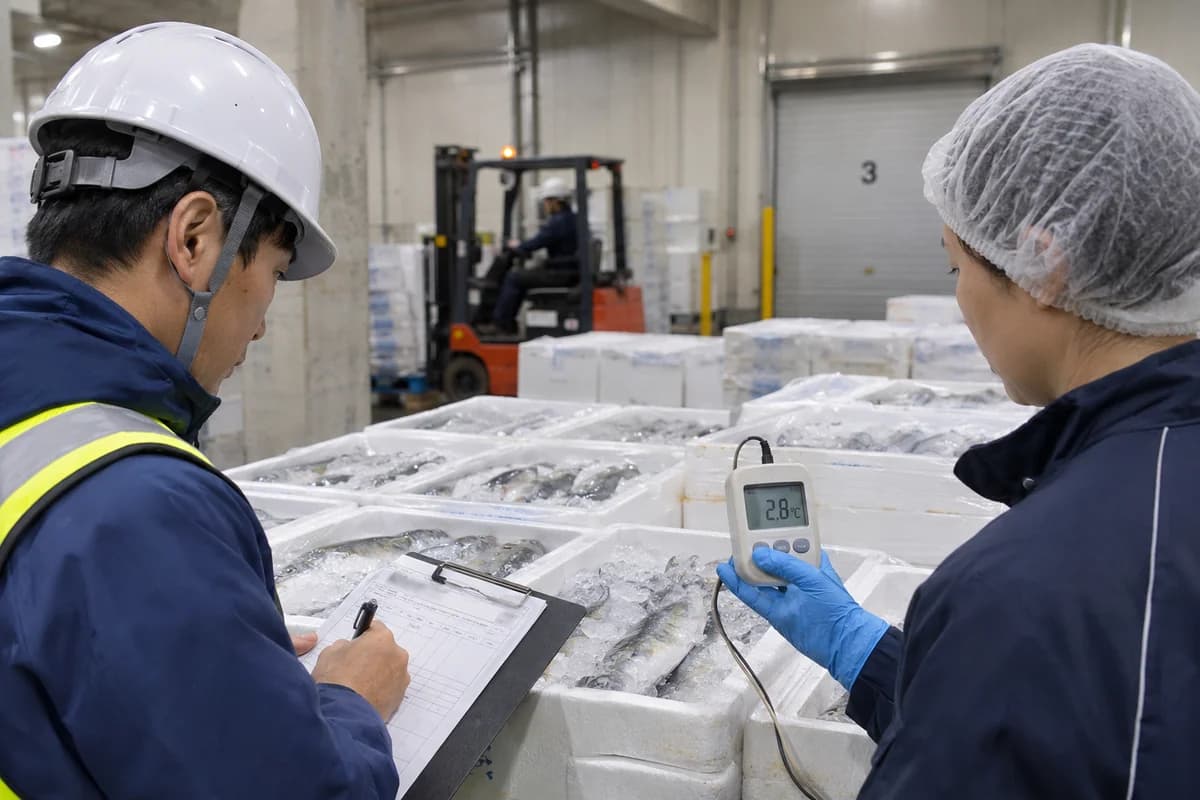
Cargo comes first. Containers arrive at the port, move into bonded warehouses and leave again on trucks bound for factories across the Kanto plain. Every movement needs a record that customs, the shipper and the consignee can each read, and one mislabelled pallet can hold a whole truckload at the gate for a day. A wrong label costs a day.
Chemical and food plants share the same shoreline. Batches are traced from raw material to finished drum, and cold stores hold fish, produce and medicines at set temperatures which an inspector can request on any visit. Most logs are still filled in on clipboards.
The districts, business parks and markets that matter in Yokohama.
How Yokohama businesses pick and use software.
Managers of bonded and cold-storage warehouses who must match every pallet in the building to customs and customer paperwork.
Plant managers at small chemical and food makers who trace each batch from raw material to shipped drum.
Where Yokohama businesses lose time and money.
Pallets and customs papers disagree
Stock is counted on handheld devices while import papers sit in a separate file that clerks update later. One ledger with entry numbers closes the gap.
Cold room logs are signed by hand
Temperature sheets are filled in on a clipboard and filed in boxes that nobody wants to open. Sensor readings kept against each lot answer an auditor in minutes.
Batch trails are rebuilt after a complaint
When a customer questions a drum, staff dig through notebooks to find the raw material lot behind it. Linked records make that search short.
What we would build for Yokohama businesses.
Usually in this order, starting with whatever the audit ranks first.
IoT and Edge Computing
Machine and sensor readings connected to office records, with buffering limits and recovery after a lost connection defined.
Learn moreAPI and System Integration
Connections between existing tools, with record ownership, duplicate handling and reconciliation agreed for each flow.
Learn moreBusiness Intelligence and Reporting Tools
Business intelligence and reporting work joins accounting vouchers, CRM records and spreadsheet tabs inside Power BI, Metabase or Looker Studio, using metric definitions agreed in writing first. Role dashboards and scheduled packs follow. The model is documented. Your analyst can extend it. Share your requirements and we will say which tool fits.
Learn moreData Migration and Moving Off Spreadsheets
Data migration and spreadsheet replacement covers auditing existing files, cleaning and deduplicating records, loading them into a new system and reconciling the loaded result against known totals. Both systems then run side by side before cutover. Originals stay untouched.
Learn moreReady products that fit Yokohama businesses.
Each one is adapted to how your business works before it goes live, and anything your trade needs that it lacks is added then. You are not paying to build the basics again.
Warehousing Company Management Software
Client stock by location, inward receipts, putaway, pick lists, dispatch, cycle counts and storage and handling bills for warehousing and 3PL companies.
Learn moreCommercial Refrigeration Management Software
Unit register, fault calls, contract visits, refrigerant logs, van stock, installation jobs and invoices for commercial refrigeration firms.
Learn moreIndustrial Chemical Manufacturer Management Software
Raw intake, reactor batches, titration assays, yield, tank farm stock, drum and IBC filling, tanker loading, certificates of analysis and safety data sheets for bulk chemical plants.
Learn moreHow the work runs from Bengaluru for Yokohama.
- 1
The audit, by call
A screen-share and a look at the sheets, accounting reports and WhatsApp groups your team uses. No travel needed.
- 2
A written proposal
Scope, what we build first and the cost, agreed in writing before anything starts.
- 3
Build in short rounds
Working screens shared every few weeks. Your team tests them from your own office.
- 4
Go-live, in person when it helps
For data migration and training we can come to Yokohama. Travel is agreed in advance.
- 5
Support online
Fixes, changes and hosting handled remotely by the same team that built it.
The work we have published.
We don’t claim Yokohama clients we don’t have. These are systems our team built; the way we work is the same wherever you are.
PetSeva: matching owners to the right vet, at any hour
A two-sided veterinary platform where vets are searchable by specialisation and bookable outside clinic hours. It now carries more than 2,000 veterinary doctors.
Read the case study Paying guest accommodationSAM Atithi Pavathi: bed-level occupancy as the source of truth
PG management software where allocation, rates and invoices are derived from bed-level occupancy and not maintained in parallel spreadsheets.
Read the case study School transport servicesSAM Tours: school transport on a single ledger
Registration, fee collection, routing and finance write to the same records, closing the gap between journeys run and fees collected.
Read the case study Microfinance and Self Help GroupsVikasa RDO: making SHG loan recovery auditable
Loan proposals, recoveries and commissions sit on one record, with a person attached to every state change, so a business handling a bank’s money can show where each rupee went.
Read the case studyMake the scope specific to your business.
Work through a real example from your operation and agree the handoffs, controls and support the project needs.
Pallets and customs papers disagree
Which observation would change the proposed scope?
For “Pallets and customs papers disagree”, observe someone completing the task with a representative example. Record where they stop, ask another person or re-enter information, then choose the smallest change whose result the team can verify.
Background reading: GOV.UK: researching user needs
Questions Yokohama owners ask before they call.
Can stock records carry customs entry numbers?
Yes. Each pallet or lot can hold the entry number, bonded status and release date, so a clerk can search by any of them. We would first look at two of your current customs files and copy their fields into the screens.
Will working hours line up for a Yokohama team?
A call at one in the afternoon in Yokohama reaches us at half past nine in the morning, and a written summary follows the same day. Longer workshops fit the same window.
What happens after I share my requirements?
We review your brief and clarify the work with you. We then look at the software, spreadsheets and WhatsApp groups your business runs on today and write down what works, what slows your team down and what is missing. A demo login, a screen-share or a few screenshots are enough. You get a short written summary ordered by priority, with no obligation to hire us afterwards.
How much will the software cost?
We don’t publish a price, because it depends on what the system has to do. That first review settles the scope, and the cost goes into a written proposal before any work starts.
Industries we build for in Yokohama.
Tell us what your Yokohama business runs on today.
Send a short note on the spreadsheets, software or WhatsApp groups your team depends on. We reply the same working day.
What happens after you share your requirements
- We review your brief and the systems you already use.
- We clarify the workflow, missing information and the work to consider first.
- The proposed scope sets out the deliverables, responsibilities and dependencies.
- Review the scope and commercial terms before deciding whether to proceed.
Start with your requirements
Describe your current process, the people involved and the change you need. Start with the details you know; we can clarify the rest together.
Share your requirements