Tokyo · CountriesTokyo’s machine shops, design studios, restaurants and anime houses keep tidy records for exacting clients.
Tokyo packs head offices in Marunouchi, electronics trade around Akihabara, anime studios in Suginami and small machine shops in Ota. Restaurants and hotels fill every station district. Firms here invoice in yen to clients who check each line. Job, booking and billing systems for these businesses are built by GullySystem in Bengaluru, with meetings held in the Tokyo morning.
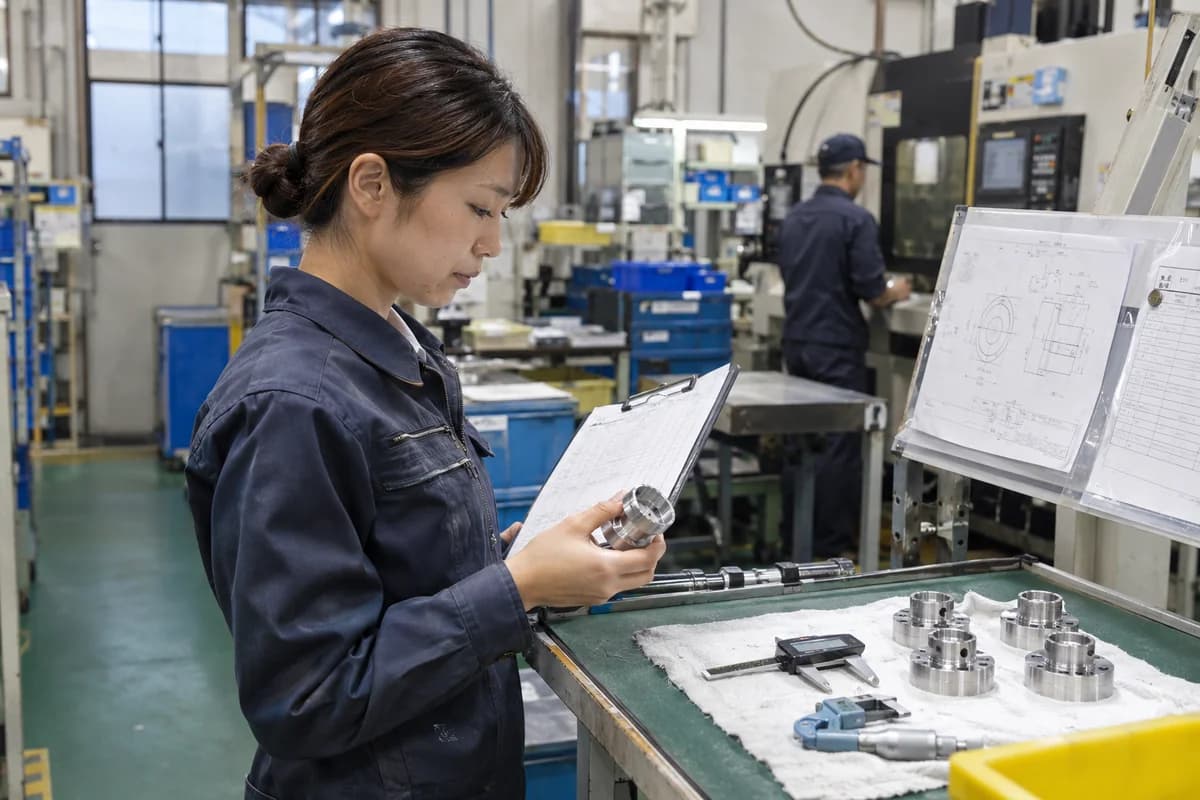
Ota ward is known for small workshops that turn precision parts for larger makers across Japan. Each lot is measured and logged. Orders from a bigger firm arrive with drawings, delivery dates and inspection sheets that must come back filled in. A shop that loses one sheet can lose the next order from that buyer.
Elsewhere the city runs on services. Studios in Suginami deliver episodes against fixed broadcast dates. Restaurants near the stations juggle reservations, suppliers and shift staff all week, and a busy Friday can strain all three at the same moment. Nothing of ours stands in Japan, so our work is done from Bengaluru through shared screens and written notes, with a call window that sits comfortably across both afternoons.
The districts, business parks and markets that matter in Tokyo.
How Tokyo businesses pick and use software.
Owners of small metalworking shops in Ota who answer to inspection sheets from larger manufacturers and want lot records kept without extra paperwork.
Producers at animation and design studios who track freelancers, stages and due dates across several titles at once.
Where Tokyo businesses lose time and money.
Inspection sheets live in separate files
A part is measured on the shop floor, typed into a spreadsheet and printed again for the buyer. A lot record tied to the order keeps measurements and delivery notes together.
Studios lose sight of stage progress
A single episode passes from person to person, and the producer asks each one by chat. A board that shows every cut and its stage removes the daily round of questions.
Restaurant bookings and supplier orders disagree
Reservations fill a notebook while orders to suppliers go out by fax or message. One system that counts covers and raises the order from the same booking list keeps them in step.
What we would build for Tokyo businesses.
Usually in this order, starting with whatever the audit ranks first.
Custom Software and Product Engineering
Software built around how your business actually runs, when nothing off the shelf fits without workarounds.
Learn moreBusiness Process Automation
Approvals, reminders and reports triggered by agreed rules, with exceptions assigned to a responsible person.
Learn moreData Migration and Moving Off Spreadsheets
Data migration and spreadsheet replacement covers auditing existing files, cleaning and deduplicating records, loading them into a new system and reconciling the loaded result against known totals. Both systems then run side by side before cutover. Originals stay untouched.
Learn moreUI/UX Design and Prototyping
Prototypes tested with the people doing the work, including corrections, missing information and everyday devices.
Learn moreReady products that fit Tokyo businesses.
Each one is adapted to how your business works before it goes live, and anything your trade needs that it lacks is added then. You are not paying to build the basics again.
CNC Turning Shop Management Software
Part masters, drawing revisions, bar stock heat numbers, lathe jobs, first-off inspection, outside processes and delivery notes for CNC turning shops that cut shafts, bushes and fittings.
Learn moreAnimation Studio Management Software
Shot lists, asset versions, artist bookings, timesheets, retake notes, render hours, cost against the bid and delivery packages for animation studios.
Learn moreRestaurant Management System
Table and counter orders, kitchen tickets (KOT), menu and recipe stock, platform orders, POS billing with tax and day close for restaurants.
Learn moreHow the work runs from Bengaluru for Tokyo.
- 1
The audit, by call
A screen-share and a look at the sheets, accounting reports and WhatsApp groups your team uses. No travel needed.
- 2
A written proposal
Scope, what we build first and the cost, agreed in writing before anything starts.
- 3
Build in short rounds
Working screens shared every few weeks. Your team tests them from your own office.
- 4
Go-live, in person when it helps
For data migration and training we can come to Tokyo. Travel is agreed in advance.
- 5
Support online
Fixes, changes and hosting handled remotely by the same team that built it.
The work we have published.
We don’t claim Tokyo clients we don’t have. These are systems our team built; the way we work is the same wherever you are.
PetSeva: matching owners to the right vet, at any hour
A two-sided veterinary platform where vets are searchable by specialisation and bookable outside clinic hours. It now carries more than 2,000 veterinary doctors.
Read the case study Paying guest accommodationSAM Atithi Pavathi: bed-level occupancy as the source of truth
PG management software where allocation, rates and invoices are derived from bed-level occupancy and not maintained in parallel spreadsheets.
Read the case study School transport servicesSAM Tours: school transport on a single ledger
Registration, fee collection, routing and finance write to the same records, closing the gap between journeys run and fees collected.
Read the case study Microfinance and Self Help GroupsVikasa RDO: making SHG loan recovery auditable
Loan proposals, recoveries and commissions sit on one record, with a person attached to every state change, so a business handling a bank’s money can show where each rupee went.
Read the case studyMake the scope specific to your business.
Work through a real example from your operation and agree the handoffs, controls and support the project needs.
Restaurant bookings and supplier orders disagree
What becomes available when a booking is moved or cancelled?
Use “Restaurant bookings and supplier orders disagree” to move a booking, then cancel a second example. Check the released slot, the person or resource still assigned, and any amount left to settle before accepting the revised schedule.
Background reading: ERPNext: appointment records
Inspection sheets live in separate files
Who decides whether a failed result blocks the next step?
For “Inspection sheets live in separate files”, bring an accepted result and a failed one. Agree who can authorise an exception and what evidence must accompany that decision.
Background reading: ERPNext: inspection criteria
Questions Tokyo owners ask before they call.
Can software follow the inspection sheets our larger buyers send?
Yes. We would ask for two or three of your buyers’ sheets, then build screens that mirror their columns so the shop floor fills them in once and prints the buyer’s layout. Interface text can be shown in Japanese if your team prefers, and we agree the wording with you before release.
How do we work together across the time difference?
Tokyo is 3.5 hours ahead of Bengaluru, so your morning overlaps our late morning. We keep fixed call slots in that window and send written notes after each one, which suits teams who prefer decisions to be on paper.
What happens after I share my requirements?
We review your brief and clarify the work with you. We then look at the software, spreadsheets and WhatsApp groups your business runs on today and write down what works, what slows your team down and what is missing. A demo login, a screen-share or a few screenshots are enough. You get a short written summary ordered by priority, with no obligation to hire us afterwards.
How much will the software cost?
We don’t publish a price, because it depends on what the system has to do. That first review settles the scope, and the cost goes into a written proposal before any work starts.
Industries we build for in Tokyo.
Tell us what your Tokyo business runs on today.
Send a short note on the spreadsheets, software or WhatsApp groups your team depends on. We reply the same working day.
What happens after you share your requirements
- We review your brief and the systems you already use.
- We clarify the workflow, missing information and the work to consider first.
- The proposed scope sets out the deliverables, responsibilities and dependencies.
- Review the scope and commercial terms before deciding whether to proceed.
Start with your requirements
Describe your current process, the people involved and the change you need. Start with the details you know; we can clarify the rest together.
Share your requirements