Job, quality and invoice software for Japanese makers, integrators and inns, written to suit careful Japanese routines.
Japan’s small and mid-size firms cut metal, assemble electronics, integrate robots and run inns, and most keep exact records for tiered buyers. GullySystem is a Bengaluru company that writes software for those routines and supports it remotely. Nobody of ours lives in Japan, and we claim no customers there.
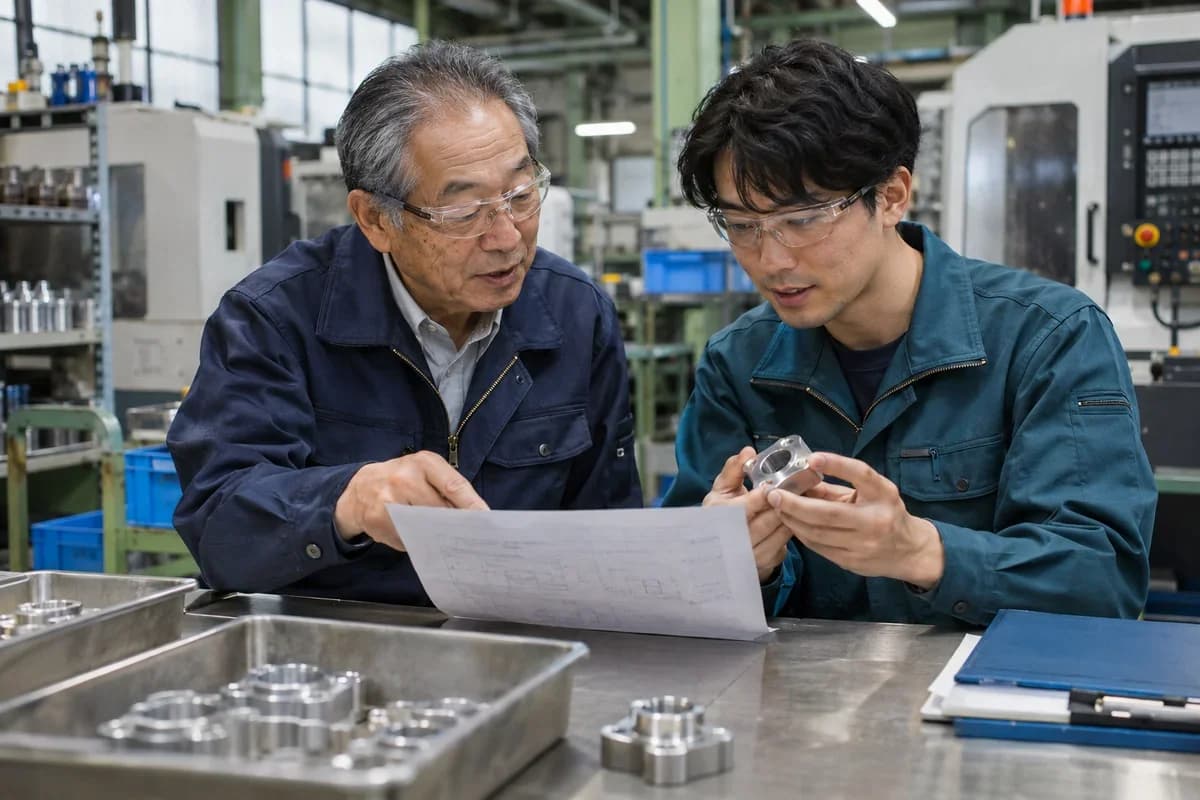
Working with a team in India from Japan.
Japanese industry sits in supplier tiers, where a small shop turns a part for a mid-size firm that sells to a large maker, and each step is inspected and logged. Records must be tidy. A missing figure is noticed quickly.
Our team sits in Nagarbhavi, Bengaluru. Japan holds no office, staff or licence of ours, and we name no Japanese customers or partners because there are none yet. Sessions run through video, email and chat, and we say this before a contract is drafted.
What changes when your business is in Japan.
Hours, money, language and data are decided with you at the start, not discovered later.
What the software has to fit.
The filing cycles, payment habits and licences a small business there already works around.
Trades we write for in Japan.
Products that fit them.
Capabilities often asked for.
What we would build for Japan businesses.
Usually in this order, starting with whatever the audit ranks first.
ERP, CRM and Business Software Implementation
One record of stock, orders, customers and accounts, set up so your team opens it every day.
Learn moreData Migration and Moving Off Spreadsheets
Data migration and spreadsheet replacement covers auditing existing files, cleaning and deduplicating records, loading them into a new system and reconciling the loaded result against known totals. Both systems then run side by side before cutover. Originals stay untouched.
Learn moreGlobal Compliance and Localisation
Software has to change for each country. Currency tables, VAT and sales tax codes, invoice layouts, translation files, storage regions and consent records are built as configuration that your team can edit without code changes. The legal question stays with your adviser.
Learn moreIoT and Edge Computing
Machine and sensor readings connected to office records, with buffering limits and recovery after a lost connection defined.
Learn moreMake the scope specific to your business.
Work through a real example from your operation and agree the handoffs, controls and support the project needs.
Consumption tax and invoices
Can you explain the balance from its original documents?
Select a partly settled example in “Consumption tax and invoices”. Ask for the invoice, allocated receipts and remaining balance to be shown together before agreeing the opening figures.
Background reading: ERPNext: outstanding invoices
Stamps, paper and approvals
What needs fresh approval after a record is changed?
For “Stamps, paper and approvals”, change a material detail after approval during a scoped walkthrough. Agree the next responsible person and the evidence needed before the work can continue.
Background reading: ERPNext: approval transitions
Questions from businesses in Japan.
Do you have staff or an office in Japan?
No. Our people sit in Bengaluru, and we say so at the first conversation. Japanese firms are helped from a distance, and if you need someone on site we will tell you before anything is signed.
Can the software work in Japanese?
Yes. Labels, forms and customer documents can be set in Japanese, English or both. Because we are not native readers, we ask a Japanese colleague of yours to approve the final wording.
Can it handle the qualified invoice system?
It can hold a registration number and print the lines such invoices need. The rules have changed in the past and may again, so your zeirishi should confirm the setup before you rely on it.
How do we cope with the time difference?
It is small. Japan sits 210 minutes ahead of India, so most of a working day overlaps. Standing calls fit a Japanese morning and an Indian late morning without strain.
Will our drawings and records stay private?
Access can be limited by role, and every view or change is logged. Tell us early where data must be stored. We answer such questions in writing, and your counsel should review the contract wording.
Can you replace our spreadsheets and paper forms?
Yes, in steps. We start with one flow, such as inspection sheets or delivery slips, and move the old data across. Paper and seals can run alongside until your team is comfortable.
Can a part be traced from raw material to delivery?
Yes. Every lot carries its material certificate, machine, inspector and delivery slip, so a customer’s auditor can follow one part from bar stock to the loading dock. We settle the fields with your quality manager before the first lot is entered.
Tell us what you run.
Share your requirements and an engineer will read them before getting in touch, at an hour that suits your day.
What happens after you share your requirements
- We review your brief and the systems you already use.
- We clarify the workflow, missing information and the work to consider first.
- The proposed scope sets out the deliverables, responsibilities and dependencies.
- Review the scope and commercial terms before deciding whether to proceed.
Start with your requirements
Describe your current process, the people involved and the change you need. Start with the details you know; we can clarify the rest together.
Share your requirements