Sendai · CountriesSendai’s university labs, precision parts makers, rice and sake trade and festival crowds run on dates.
Sendai is the chief city of Tohoku, in northern Honshu, and is known as the city of trees. Tohoku University, small makers of electronic parts, a regional port, rice and sake, and restaurants that grill beef tongue shape its trade. Invoices are in yen. Software for these firms is written remotely in Bengaluru by GullySystem.
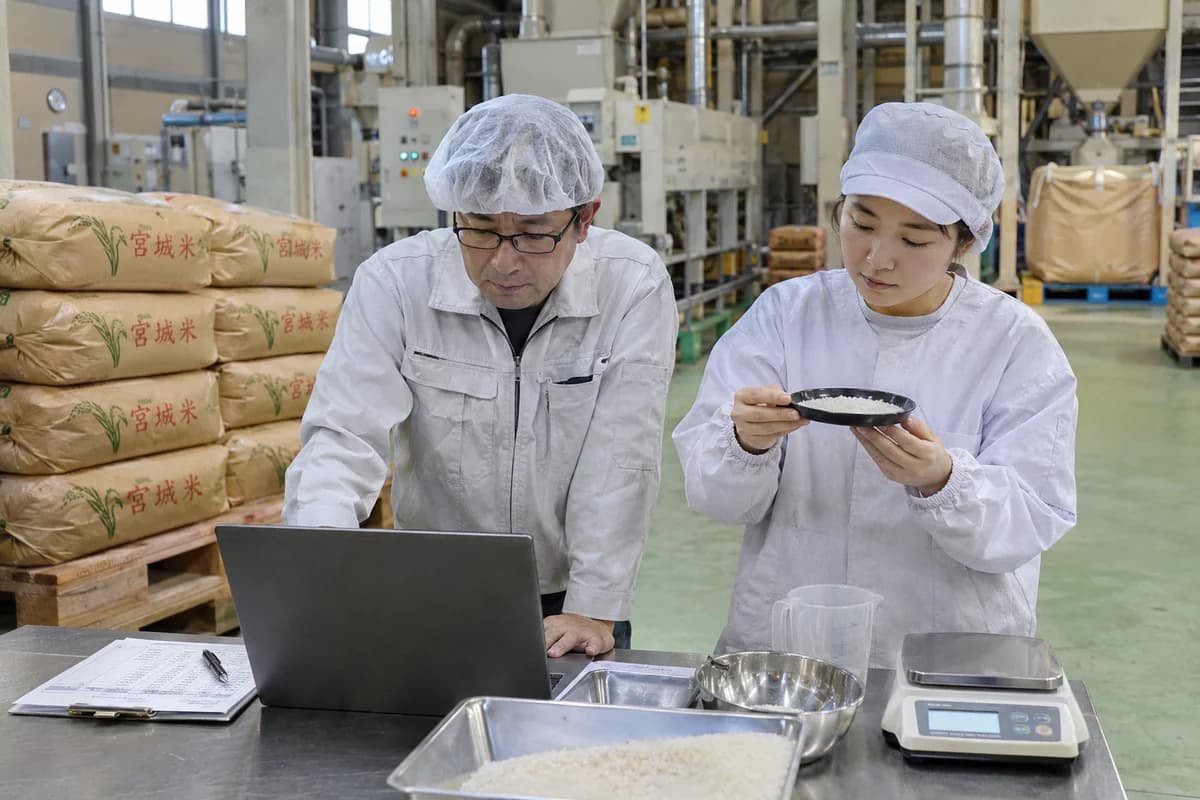
Tohoku University is known for research in materials and engineering. Small makers of electronic parts and precision components work in its orbit, and buyers ask each of them for test records and drawing versions. Test sheets travel with every lot.
The 2011 earthquake and tsunami reshaped the coast east of the city, and rebuilding work kept builders, port crews and fishing cooperatives busy for years. Each August, Tanabata brings large crowds to the shopping streets with paper decorations.
The districts, business parks and markets that matter in Sendai.
How Sendai businesses pick and use software.
Parts makers near the university who supply labs and electronics firms in small runs.
Restaurant owners who order beef tongue, rice and sake from regional suppliers.
Where Sendai businesses lose time and money.
Drawing versions drift apart
A buyer sends a revised drawing by email, and the shop floor keeps working from last month’s copy. A job record that shows the current drawing keeps the floor in step.
Rice and sake stock is counted twice
Warehouse staff count bags and bottles by hand, and the shop and the office hold different totals. One stock list with lot dates removes the argument.
Festival week brings a rush of orders
Restaurants and inns order supplies and extra staff just before the big weeks, and managers make those plans from memory. Last year’s numbers on screen help.
What we would build for Sendai businesses.
Usually in this order, starting with whatever the audit ranks first.
QA and Software Testing
Testing on the phones, browsers and patchy networks your customers and staff actually use.
Learn moreERP, CRM and Business Software Implementation
One record of stock, orders, customers and accounts, set up so your team opens it every day.
Learn moreGlobal Compliance and Localisation
Software has to change for each country. Currency tables, VAT and sales tax codes, invoice layouts, translation files, storage regions and consent records are built as configuration that your team can edit without code changes. The legal question stays with your adviser.
Learn moreBusiness Intelligence and Reporting Tools
Business intelligence and reporting work joins accounting vouchers, CRM records and spreadsheet tabs inside Power BI, Metabase or Looker Studio, using metric definitions agreed in writing first. Role dashboards and scheduled packs follow. The model is documented. Your analyst can extend it. Share your requirements and we will say which tool fits.
Learn moreReady products that fit Sendai businesses.
Each one is adapted to how your business works before it goes live, and anything your trade needs that it lacks is added then. You are not paying to build the basics again.
Electronic Product Manufacturer Management Software
Models and variants, SMT runs, moisture-sensitive reel and floor-life control, ICT and ageing, carton packing, dealer orders and warranty returns for consumer electronics makers.
Learn moreRice Mill Management Software
Paddy intake and moisture, parboiling, milling yield, broken percentage, by-products, bag counts and wholesale rice dispatch for rice mills.
Learn moreRestaurant Management System
Table and counter orders, kitchen tickets (KOT), menu and recipe stock, platform orders, POS billing with tax and day close for restaurants.
Learn moreHow the work runs from Bengaluru for Sendai.
- 1
The audit, by call
A screen-share and a look at the sheets, accounting reports and WhatsApp groups your team uses. No travel needed.
- 2
A written proposal
Scope, what we build first and the cost, agreed in writing before anything starts.
- 3
Build in short rounds
Working screens shared every few weeks. Your team tests them from your own office.
- 4
Go-live, in person when it helps
For data migration and training we can come to Sendai. Travel is agreed in advance.
- 5
Support online
Fixes, changes and hosting handled remotely by the same team that built it.
The work we have published.
We don’t claim Sendai clients we don’t have. These are systems our team built; the way we work is the same wherever you are.
PetSeva: matching owners to the right vet, at any hour
A two-sided veterinary platform where vets are searchable by specialisation and bookable outside clinic hours. It now carries more than 2,000 veterinary doctors.
Read the case study Paying guest accommodationSAM Atithi Pavathi: bed-level occupancy as the source of truth
PG management software where allocation, rates and invoices are derived from bed-level occupancy and not maintained in parallel spreadsheets.
Read the case study School transport servicesSAM Tours: school transport on a single ledger
Registration, fee collection, routing and finance write to the same records, closing the gap between journeys run and fees collected.
Read the case study Microfinance and Self Help GroupsVikasa RDO: making SHG loan recovery auditable
Loan proposals, recoveries and commissions sit on one record, with a person attached to every state change, so a business handling a bank’s money can show where each rupee went.
Read the case studyMake the scope specific to your business.
Work through a real example from your operation and agree the handoffs, controls and support the project needs.
Rice and sake stock is counted twice
What happens to movements entered while a count is being checked?
For “Rice and sake stock is counted twice”, choose a count date and trace the movements around it. Agree who investigates a difference before an adjustment changes the available balance.
Background reading: ERPNext: stock reconciliation
Questions Sendai owners ask before they call.
Can one job record hold the drawing version and test results?
Yes. Each job stores its current drawing, the revision date and the test sheet, and staff see a warning if a new version arrives mid-run. We would load a few live jobs and test with your engineers.
Does the time gap change how support works for a Japanese office?
Northern Honshu uses the same clock as Tokyo, and a call placed after lunch there reaches us in the middle of our day. Questions sent in the evening are answered by the next Japanese morning.
What happens after I share my requirements?
We review your brief and clarify the work with you. We then look at the software, spreadsheets and WhatsApp groups your business runs on today and write down what works, what slows your team down and what is missing. A demo login, a screen-share or a few screenshots are enough. You get a short written summary ordered by priority, with no obligation to hire us afterwards.
How much will the software cost?
We don’t publish a price, because it depends on what the system has to do. That first review settles the scope, and the cost goes into a written proposal before any work starts.
Industries we build for in Sendai.
Tell us what your Sendai business runs on today.
Send a short note on the spreadsheets, software or WhatsApp groups your team depends on. We reply the same working day.
What happens after you share your requirements
- We review your brief and the systems you already use.
- We clarify the workflow, missing information and the work to consider first.
- The proposed scope sets out the deliverables, responsibilities and dependencies.
- Review the scope and commercial terms before deciding whether to proceed.
Start with your requirements
Describe your current process, the people involved and the change you need. Start with the details you know; we can clarify the rest together.
Share your requirements