Job, batch and booking software for Slovenian toolmakers, wood firms, pharma suppliers and guesthouses, looked after from Bengaluru.
Slovenia packs Alpine valleys, a short Adriatic coast and a busy motorway crossing into a small territory. Toolmakers, furniture and door makers, pharmaceutical plants and wine farms trade across borders daily, and invoices carry DDV and the euro is the currency. GullySystem, based in Bengaluru, writes software for these routines and supports it remotely. It has no staff in Slovenia.
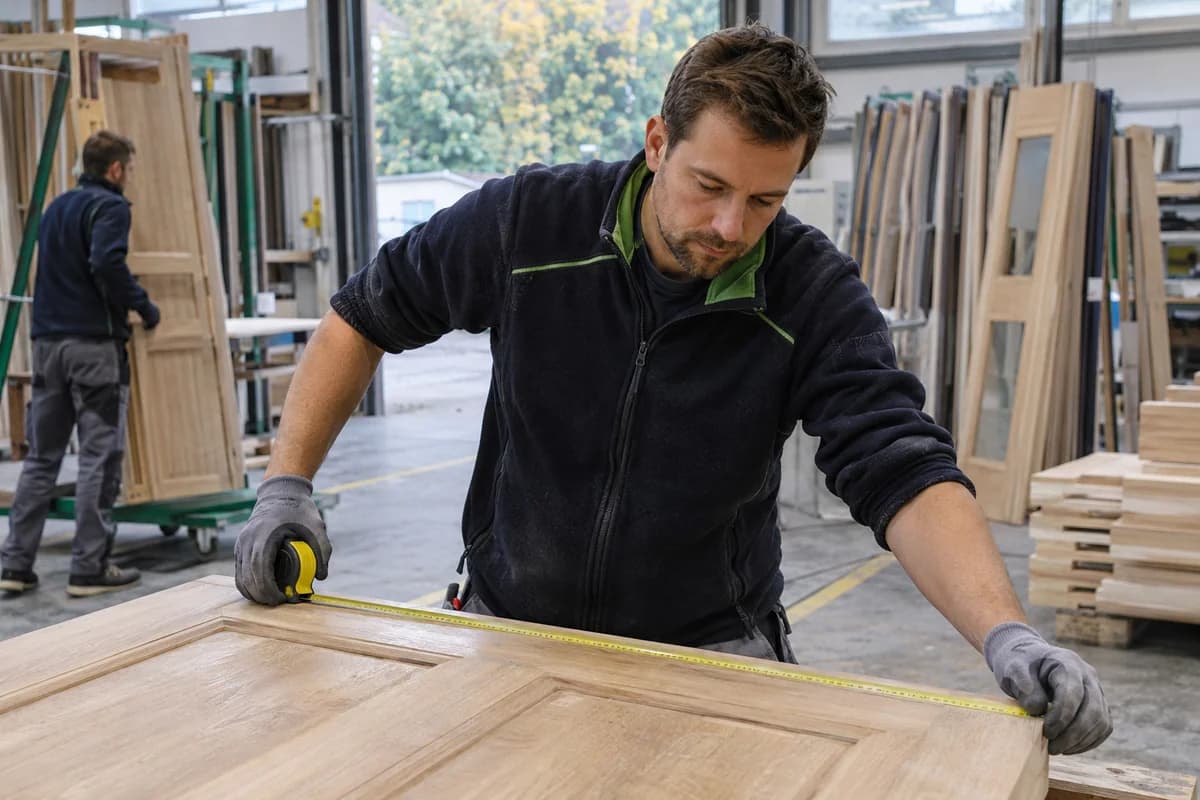
Working with a team in India from Slovenia.
Slovenia is small, so most firms sell abroad early. A toolroom ships dies to a car supplier in Germany, and a wood workshop quotes a door set for a hotel in Austria. A wine farm in the Vipava valley sends cases to Italy, each border crossing adds paperwork, and the owner carries the whole file in one head and one spreadsheet. Customers in Munich or Milan expect the same answer speed as a customer next door.
We sit in Nagarbhavi, Bengaluru, and work for Slovenian firms only from there, and no one of ours lives in the country, and we hold no local licence or customer. What you get is plain software for quotes, job cards, batches and invoices, built to your routine and explained in clear English.
What changes when your business is in Slovenia.
Hours, money, language and data are decided with you at the start, not discovered later.
What the software has to fit.
The filing cycles, payment habits and licences a small business there already works around.
Trades we write for in Slovenia.
Products that fit them.
Capabilities often asked for.
Cities we write software for in Slovenia.
What we would build for Slovenia businesses.
Usually in this order, starting with whatever the audit ranks first.
ERP, CRM and Business Software Implementation
One record of stock, orders, customers and accounts, set up so your team opens it every day.
Learn moreAPI and System Integration
Connections between existing tools, with record ownership, duplicate handling and reconciliation agreed for each flow.
Learn moreData Migration and Moving Off Spreadsheets
Data migration and spreadsheet replacement covers auditing existing files, cleaning and deduplicating records, loading them into a new system and reconciling the loaded result against known totals. Both systems then run side by side before cutover. Originals stay untouched.
Learn moreGlobal Compliance and Localisation
Software has to change for each country. Currency tables, VAT and sales tax codes, invoice layouts, translation files, storage regions and consent records are built as configuration that your team can edit without code changes. The legal question stays with your adviser.
Learn moreMake the scope specific to your business.
Work through a real example from your operation and agree the handoffs, controls and support the project needs.
Invoices and DDV
Can you explain the balance from its original documents?
Select a partly settled example in “Invoices and DDV”. Ask for the invoice, allocated receipts and remaining balance to be shown together before agreeing the opening figures.
Background reading: ERPNext: outstanding invoices
Questions from businesses in Slovenia.
Is anyone from GullySystem based in Slovenia?
No. All work happens from Bengaluru. Contact runs over screen sharing and mail. Should a project need a pair of hands at your site, we raise it before any agreement is signed.
Can the software produce documents in Slovenian?
Yes. Screens and documents can use Slovenian, English, German or Italian. Because names and numbers bend with the grammar, a fluent colleague should read every template first.
How is staff and customer data protected under the GDPR?
Hosting can be placed inside the European Union, and access is cut to the screens each role needs. Your accountant or lawyer chooses how long records stay and what the consent text says. The system is set to match.
Can job cards connect to our quality records?
Usually, yes. A job card can hold measurements, photos and a sign-off, and the invoice can pull the finished state. We map your current forms first, then try the flow on a few live jobs.
What does the time difference mean for support in Slovenia?
Your morning overlaps with our afternoon, so training and walkthroughs fit that window, and out-of-hours faults follow the route set before launch. Seasonal peaks can be planned months ahead.
Can a toolroom invoice from finished job cards?
Hours, material and outside work are booked on the card as the job moves. Sign-off closes the card and drafts the invoice. Price changes agreed in the middle of the job are noted on the card, so the final bill matches the quote history and your office can explain every line.
How does a pharma supplier hold batch records?
Each batch carries its number, expiry date and the checks completed so far. Open checks can block shipping.
Can a guesthouse run bookings and a wine shop together?
Rooms, tastings and bottle sales can share one customer record. A guest who booked a room in June appears on the screen when they order wine in October, with the room history and last year’s favourite bottle beside the order. Cellar counts update as sales are recorded.
Tell us what you run.
Share your requirements and an engineer will read them before getting in touch, at an hour that suits your day.
What happens after you share your requirements
- We review your brief and the systems you already use.
- We clarify the workflow, missing information and the work to consider first.
- The proposed scope sets out the deliverables, responsibilities and dependencies.
- Review the scope and commercial terms before deciding whether to proceed.
Start with your requirements
Describe your current process, the people involved and the change you need. Start with the details you know; we can clarify the rest together.
Share your requirements