Los Angeles · CountriesStudios, ports and fashion lofts make Los Angeles a city of project-based and import-driven firms.
Los Angeles earns from film and television crews, from the twin ports of Los Angeles and Long Beach, and from a large fashion and apparel trade downtown. Freelancers, small studios and importers dominate. Work arrives in bursts and ends with a wrap. GullySystem, in Bengaluru, can set up job costing, shipment tracking and invoicing for such businesses remotely.
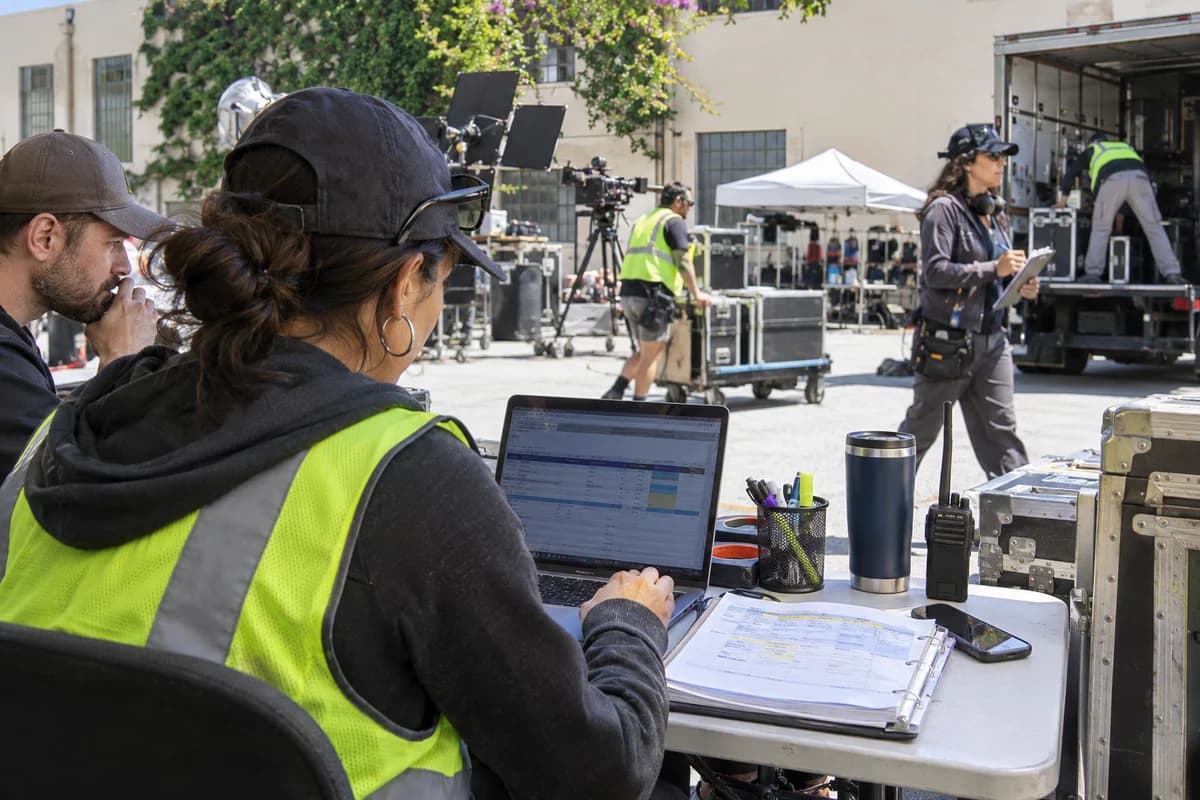
Production companies and seasonal importers in Los Angeles exist for a single production or a single container season. A small post-production house may have ten people one month and three the next, so anything priced or set up around a fixed headcount sits badly with how the business actually breathes. An importer may clear a shipment of garments, then wait weeks for the next. Software here has to handle jobs that start fast, bill in stages and close cleanly, without a permanent back office.
The time gap with Bengaluru suits west coast habits better than people expect. We start when you finish, so a change requested at the end of a shoot day can be waiting for review the next morning. Spanish and English are both common in the trades, and templates can carry both.
The districts, business parks and markets that matter in Los Angeles.
How Los Angeles businesses pick and use software.
Producers, studio managers and line accountants at small production houses
Importers, forwarders and apparel wholesalers who track goods through the ports
Where Los Angeles businesses lose time and money.
Budgets drift mid-shoot
Costs land from vendors on different days. Without a live budget against actuals, a producer learns of an overrun after the wrap.
Containers wait
A delayed release or a missed pickup window adds storage charges. Tracking each box with its documents and deadlines avoids paying for waiting.
Seasonal lines
Fashion buyers order against a calendar. Styles, sizes and delivery dates have to stay matched to the order.
Freelancer payments
Crew and contractors are paid per job. Rates, forms and approvals pile up.
What we would build for Los Angeles businesses.
Usually in this order, starting with whatever the audit ranks first.
Business Process Automation
Approvals, reminders and reports triggered by agreed rules, with exceptions assigned to a responsible person.
Learn moreAPI and System Integration
Connections between existing tools, with record ownership, duplicate handling and reconciliation agreed for each flow.
Learn moreWeb and Mobile Application Development
Web and mobile apps for customers, field staff and dealers, built to work on ordinary phones.
Learn moreData Engineering and Business Intelligence
Dashboards that answer the owner’s Monday questions without anyone building an Excel sheet first.
Learn moreReady products that fit Los Angeles businesses.
Each one is adapted to how your business works before it goes live, and anything your trade needs that it lacks is added then. You are not paying to build the basics again.
Film Production House Management Software
Script breakdown, shooting schedule and call sheets, cast and crew bookings, equipment and locations, shoot reports, budget against actuals and deliverables for film production houses.
Learn moreFreight Forwarder Management Software
Rate sheets, quotations, job files, house bill drafts, milestones, buying and selling charges, vendor bills and agent statements for freight forwarders.
Learn moreRecording Studio Management Software
Room bookings with deposits, engineer rosters, session sheets, revision rounds, gear hire, packages and invoices for recording studios.
Learn moreHow the work runs from Bengaluru for Los Angeles.
- 1
The audit, by call
A screen-share and a look at the sheets, accounting reports and WhatsApp groups your team uses. No travel needed.
- 2
A written proposal
Scope, what we build first and the cost, agreed in writing before anything starts.
- 3
Build in short rounds
Working screens shared every few weeks. Your team tests them from your own office.
- 4
Go-live, in person when it helps
For data migration and training we can come to Los Angeles. Travel is agreed in advance.
- 5
Support online
Fixes, changes and hosting handled remotely by the same team that built it.
The work we have published.
We don’t claim Los Angeles clients we don’t have. These are systems our team built; the way we work is the same wherever you are.
PetSeva: matching owners to the right vet, at any hour
A two-sided veterinary platform where vets are searchable by specialisation and bookable outside clinic hours. It now carries more than 2,000 veterinary doctors.
Read the case study Paying guest accommodationSAM Atithi Pavathi: bed-level occupancy as the source of truth
PG management software where allocation, rates and invoices are derived from bed-level occupancy and not maintained in parallel spreadsheets.
Read the case study School transport servicesSAM Tours: school transport on a single ledger
Registration, fee collection, routing and finance write to the same records, closing the gap between journeys run and fees collected.
Read the case study Microfinance and Self Help GroupsVikasa RDO: making SHG loan recovery auditable
Loan proposals, recoveries and commissions sit on one record, with a person attached to every state change, so a business handling a bank’s money can show where each rupee went.
Read the case studyMake the scope specific to your business.
Work through a real example from your operation and agree the handoffs, controls and support the project needs.
Freelancer payments
Can the same receipt be allocated without counting the money twice?
Take an unallocated amount in “Freelancer payments” and apply it to the intended balance. Review the remaining amount and the original receipt reference together.
Background reading: ERPNext: payment allocation
Questions Los Angeles owners ask before they call.
Can production budgets be tracked against actual costs?
Yes. Each department budget sits beside invoices and purchase orders as they arrive, so a producer sees the gap while there is still a choice to make.
Is it possible to follow a container from arrival to delivery?
Each shipment record carries its documents, release status, pickup window and charges, so the person answering the phone does not need to ring the broker to find out where a box stands. Staff update one place and the customer sees the same status.
What happens after I share my requirements?
We review your brief and clarify the work with you. We then look at the software, spreadsheets and WhatsApp groups your business runs on today and write down what works, what slows your team down and what is missing. A demo login, a screen-share or a few screenshots are enough. You get a short written summary ordered by priority, with no obligation to hire us afterwards.
How much will the software cost?
We don’t publish a price, because it depends on what the system has to do. That first review settles the scope, and the cost goes into a written proposal before any work starts.
Industries we build for in Los Angeles.
Tell us what your Los Angeles business runs on today.
Send a short note on the spreadsheets, software or WhatsApp groups your team depends on. We reply the same working day.
What happens after you share your requirements
- We review your brief and the systems you already use.
- We clarify the workflow, missing information and the work to consider first.
- The proposed scope sets out the deliverables, responsibilities and dependencies.
- Review the scope and commercial terms before deciding whether to proceed.
Start with your requirements
Describe your current process, the people involved and the change you need. Start with the details you know; we can clarify the rest together.
Share your requirements