Austin · CountriesA university town with a chip cluster, start-ups, music and a loud food scene.
Austin combines the state capital, the University of Texas and a growing technology base. Semiconductor and device makers, software start-ups and creative firms all compete for staff. A small employer feels it first when a key hire leaves with the process in their head. Live music and breweries give the city its face. GullySystem supports these businesses remotely from Bengaluru, on product work, inventory and event or venue operations.
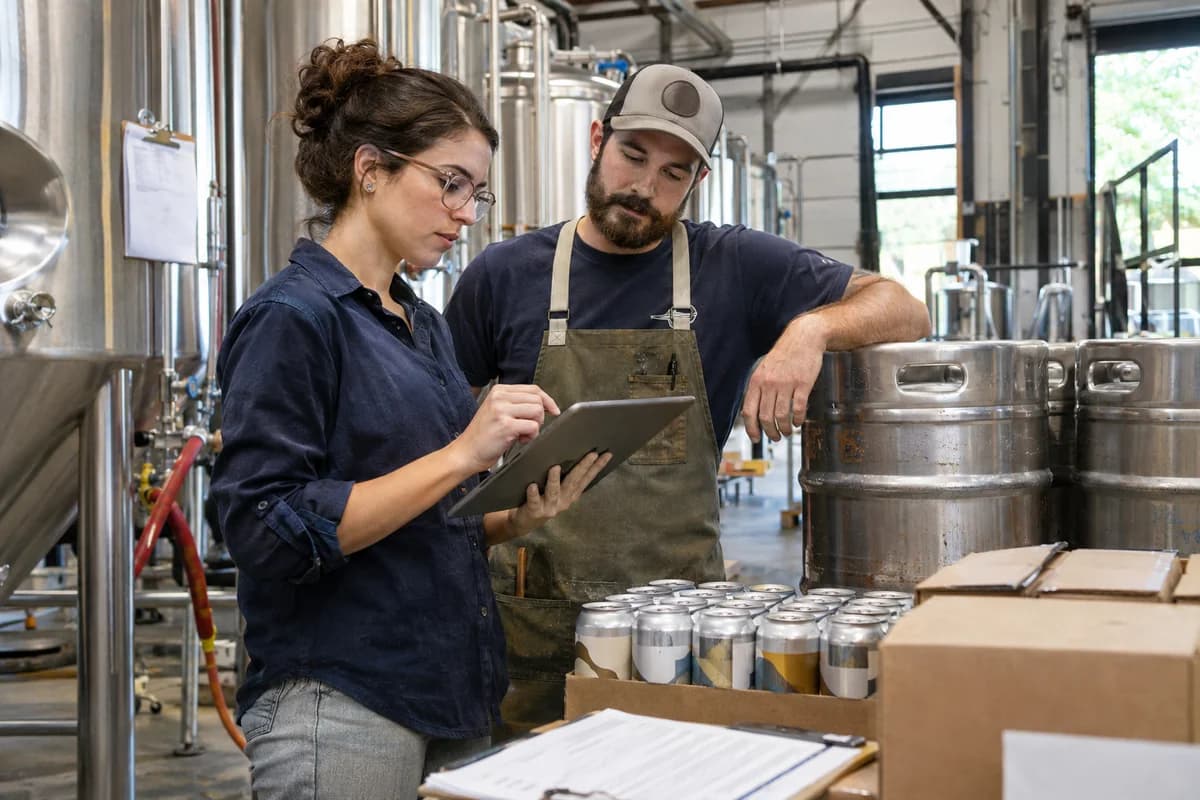
Austin firms start in a garage or a spare room. The founder does the books on weekends and promises to tidy them up once the first big order ships. A brewery begins with one tank. A hardware start-up begins with a prototype, and a band begins with a van. Growth outruns the back office. Orders, parts and bookings that fit in a notebook stop fitting in a notebook, and the founder who remembered everything is suddenly the bottleneck for every question, quote and refund.
Festival weeks and graduation weekends strain every venue in town. Ticketing, stock and staffing systems have to hold when traffic jumps for a few days and then falls back to an ordinary Tuesday. That quiet Tuesday is when a venue finds out where its spreadsheet gave up. Releases go out in quiet weeks. Testing happens before an event, never during one.
The districts, business parks and markets that matter in Austin.
How Austin businesses pick and use software.
Founders of hardware and software start-ups
Owners of breweries, venues and food businesses
Where Austin businesses lose time and money.
Prototype to production
A hardware start-up moves from handmade units to contract builds. Bills of materials and supplier records must be right, because a single wrong part revision can send an entire contract build back to the line.
Event spikes
Venues sell far more in festival weeks. Ticketing and stock must keep pace.
Staff churn
Hospitality and tech staff move between jobs. Shared notes beat memory. Notes outlast any hire.
Taproom and distributor records
Beer sold on site and through distributors needs separate tracking. Taproom sales carry a price and a till record, while distributor sales carry an invoice and a delivery, so the brewery needs both in one place.
What we would build for Austin businesses.
Usually in this order, starting with whatever the audit ranks first.
MVP Product Development
A first working version of a new product, small enough to launch and learn from.
Learn moreIoT and Edge Computing
Machine and sensor readings connected to office records, with buffering limits and recovery after a lost connection defined.
Learn moreWeb and Mobile Application Development
Web and mobile apps for customers, field staff and dealers, built to work on ordinary phones.
Learn moreUI/UX Design and Prototyping
Prototypes tested with the people doing the work, including corrections, missing information and everyday devices.
Learn moreReady products that fit Austin businesses.
Each one is adapted to how your business works before it goes live, and anything your trade needs that it lacks is added then. You are not paying to build the basics again.
Embedded Systems Company Management Software
Quotes from statements of work, change requests, schematic and firmware revisions, prototype serials, bench defects, engineer time and milestone invoices for embedded design companies.
Learn moreBrewery Management Software
Recipes, tank schedules, batch records, ingredient stock, packaging runs, keg tracking, taproom sales and trade orders for breweries.
Learn moreCafes and Coffee Shop Management Software
Counter billing, drink recipes, bean and milk stock, pastry waste, loyalty cards, shift cash-up and roaster orders for cafes and coffee shops.
Learn moreHow the work runs from Bengaluru for Austin.
- 1
The audit, by call
A screen-share and a look at the sheets, accounting reports and WhatsApp groups your team uses. No travel needed.
- 2
A written proposal
Scope, what we build first and the cost, agreed in writing before anything starts.
- 3
Build in short rounds
Working screens shared every few weeks. Your team tests them from your own office.
- 4
Go-live, in person when it helps
For data migration and training we can come to Austin. Travel is agreed in advance.
- 5
Support online
Fixes, changes and hosting handled remotely by the same team that built it.
The work we have published.
We don’t claim Austin clients we don’t have. These are systems our team built; the way we work is the same wherever you are.
PetSeva: matching owners to the right vet, at any hour
A two-sided veterinary platform where vets are searchable by specialisation and bookable outside clinic hours. It now carries more than 2,000 veterinary doctors.
Read the case study Paying guest accommodationSAM Atithi Pavathi: bed-level occupancy as the source of truth
PG management software where allocation, rates and invoices are derived from bed-level occupancy and not maintained in parallel spreadsheets.
Read the case study School transport servicesSAM Tours: school transport on a single ledger
Registration, fee collection, routing and finance write to the same records, closing the gap between journeys run and fees collected.
Read the case study Microfinance and Self Help GroupsVikasa RDO: making SHG loan recovery auditable
Loan proposals, recoveries and commissions sit on one record, with a person attached to every state change, so a business handling a bank’s money can show where each rupee went.
Read the case studyMake the scope specific to your business.
Work through a real example from your operation and agree the handoffs, controls and support the project needs.
Prototype to production
Can someone correct a mistake without losing their earlier work?
Use “Prototype to production” to test an incomplete submission with keyboard-only input. Check the error wording and retained values before signing off the screen.
Background reading: W3C: usable form validation
Questions Austin owners ask before they call.
Can a hardware start-up keep its bill of materials in one place?
Yes. Parts, suppliers, revisions and costs sit in one record, linked to builds and stock.
Will a brewery taproom system handle event weeks?
It can be tested against expected crowds before the week begins, with stock counts and staff rotas ready.
What happens after I share my requirements?
We review your brief and clarify the work with you. We then look at the software, spreadsheets and WhatsApp groups your business runs on today and write down what works, what slows your team down and what is missing. A demo login, a screen-share or a few screenshots are enough. You get a short written summary ordered by priority, with no obligation to hire us afterwards.
How much will the software cost?
We don’t publish a price, because it depends on what the system has to do. That first review settles the scope, and the cost goes into a written proposal before any work starts.
Industries we build for in Austin.
Tell us what your Austin business runs on today.
Send a short note on the spreadsheets, software or WhatsApp groups your team depends on. We reply the same working day.
What happens after you share your requirements
- We review your brief and the systems you already use.
- We clarify the workflow, missing information and the work to consider first.
- The proposed scope sets out the deliverables, responsibilities and dependencies.
- Review the scope and commercial terms before deciding whether to proceed.
Start with your requirements
Describe your current process, the people involved and the change you need. Start with the details you know; we can clarify the rest together.
Share your requirements