Seattle · CountriesCloud computing, aircraft, coffee and a working port make Seattle a Pacific Northwest trade centre.
Seattle is home to major cloud and software employers, the aircraft makers of the Puget Sound region, a working container port and a coffee culture known well beyond the city. Fishing fleets, outdoor-gear sellers and research institutes add depth. GullySystem supports these firms remotely from Bengaluru, on software, supplier records and order handling.
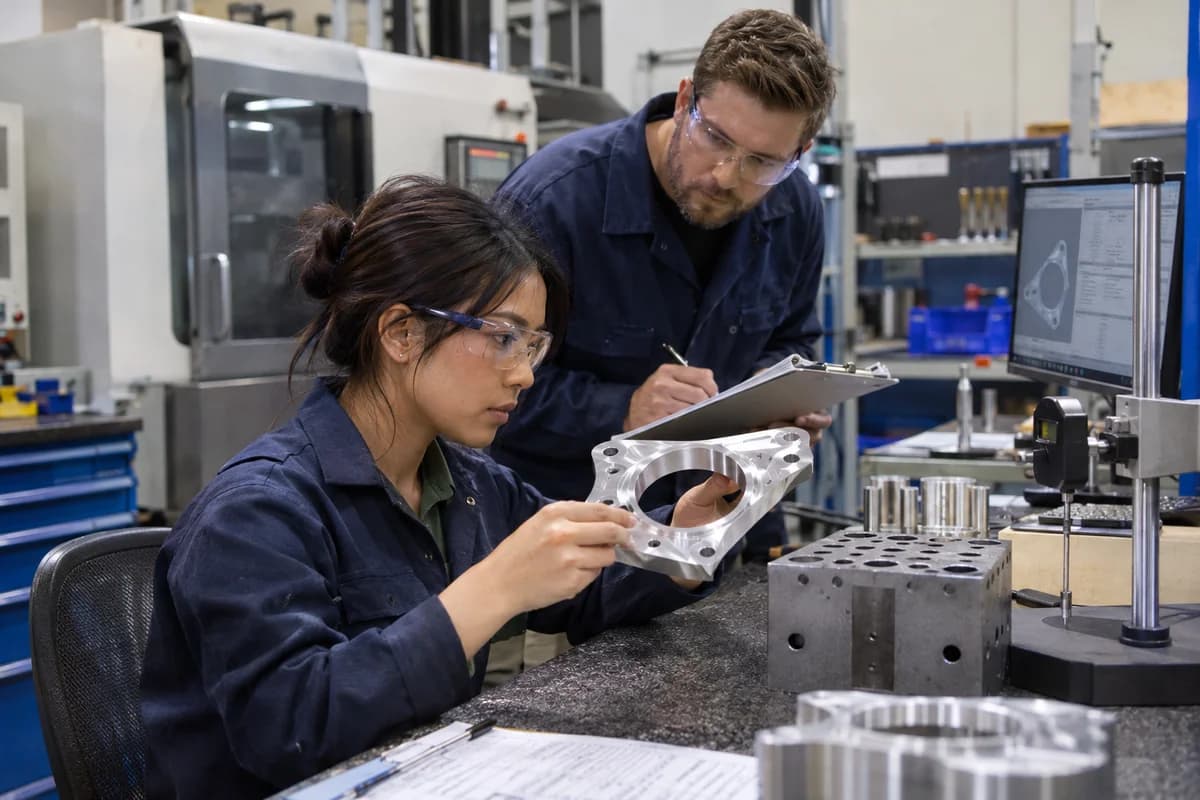
Seattle has two faces. One is the glass offices where software teams ship products used worldwide. The other is the waterfront, where boats unload, containers are lifted and machine shops make parts for aircraft. The first group needs engineers. The second needs traceability.
Pacific time is the farthest from India. That is a plus for some work. Overnight builds, test runs and reports can finish while the Seattle team sleeps, and results sit ready at breakfast.
The districts, business parks and markets that matter in Seattle.
How Seattle businesses pick and use software.
Owners of aerospace parts shops and metal fabricators
Founders of software and cloud firms, and managers at seafood and coffee businesses
Where Seattle businesses lose time and money.
Quality records for aircraft parts
Every part needs traceable material and inspection history. Paper binders fall behind.
Cloud bills grow
Teams spin up resources and forget them. Costs climb without anyone noticing.
Catch-to-customer tracking
Seafood sellers must record source, date and temperature along the chain.
Rain and rush
Retail and cafe traffic changes with weather and ferry timetables.
What we would build for Seattle businesses.
Usually in this order, starting with whatever the audit ranks first.
Cloud Cost Optimisation
The work begins with the bill. Every line of the AWS, Azure or Google Cloud invoice is read, resources are tagged to services and owners, and usage is measured before anyone changes a setting. Right-sizing, reserved capacity, storage tiers and unused resources follow. Performance is recorded around each change.
Learn moreDevOps & Automation Services
Releases with agreed checks, planned service windows and a tested route back to a working version.
Learn moreQA and Software Testing
Testing on the phones, browsers and patchy networks your customers and staff actually use.
Learn moreIoT and Edge Computing
Machine and sensor readings connected to office records, with buffering limits and recovery after a lost connection defined.
Learn moreReady products that fit Seattle businesses.
Each one is adapted to how your business works before it goes live, and anything your trade needs that it lacks is added then. You are not paying to build the basics again.
Cloud Service Provider Management Software
Tenant records, plans, usage metering, invoicing, tickets, outage credits, resale licences and renewals for cloud and hosting providers.
Learn moreAerospace CNC Part Manufacturer Management Software
Drawing revision control, cast number traceability, AS9102-style first article forms, special process certificates, nonconformance dispositions and lot data packs for aerospace CNC shops.
Learn moreFisheries and Aquaculture Farm Management Software
Ponds and cages, seed lots, feed rounds, water readings, mortality, treatments, harvest grading and buyer billing for fish and shrimp farms.
Learn moreHow the work runs from Bengaluru for Seattle.
- 1
The audit, by call
A screen-share and a look at the sheets, accounting reports and WhatsApp groups your team uses. No travel needed.
- 2
A written proposal
Scope, what we build first and the cost, agreed in writing before anything starts.
- 3
Build in short rounds
Working screens shared every few weeks. Your team tests them from your own office.
- 4
Go-live, in person when it helps
For data migration and training we can come to Seattle. Travel is agreed in advance.
- 5
Support online
Fixes, changes and hosting handled remotely by the same team that built it.
The work we have published.
We don’t claim Seattle clients we don’t have. These are systems our team built; the way we work is the same wherever you are.
PetSeva: matching owners to the right vet, at any hour
A two-sided veterinary platform where vets are searchable by specialisation and bookable outside clinic hours. It now carries more than 2,000 veterinary doctors.
Read the case study Paying guest accommodationSAM Atithi Pavathi: bed-level occupancy as the source of truth
PG management software where allocation, rates and invoices are derived from bed-level occupancy and not maintained in parallel spreadsheets.
Read the case study School transport servicesSAM Tours: school transport on a single ledger
Registration, fee collection, routing and finance write to the same records, closing the gap between journeys run and fees collected.
Read the case study Microfinance and Self Help GroupsVikasa RDO: making SHG loan recovery auditable
Loan proposals, recoveries and commissions sit on one record, with a person attached to every state change, so a business handling a bank’s money can show where each rupee went.
Read the case studyMake the scope specific to your business.
Work through a real example from your operation and agree the handoffs, controls and support the project needs.
Quality records for aircraft parts
Which observation would change the proposed scope?
For “Quality records for aircraft parts”, observe someone completing the task with a representative example. Record where they stop, ask another person or re-enter information, then choose the smallest change whose result the team can verify.
Background reading: GOV.UK: researching user needs
Questions Seattle owners ask before they call.
Can overnight work help a Seattle team?
Yes. Builds, test passes and data jobs can run while you sleep, with a written result waiting each morning.
How are quality records kept for aerospace parts?
Each part links to its material certificate, process steps and inspection results, so an audit request is answered from one place.
What happens after I share my requirements?
We review your brief and clarify the work with you. We then look at the software, spreadsheets and WhatsApp groups your business runs on today and write down what works, what slows your team down and what is missing. A demo login, a screen-share or a few screenshots are enough. You get a short written summary ordered by priority, with no obligation to hire us afterwards.
How much will the software cost?
We don’t publish a price, because it depends on what the system has to do. That first review settles the scope, and the cost goes into a written proposal before any work starts.
Industries we build for in Seattle.
Tell us what your Seattle business runs on today.
Send a short note on the spreadsheets, software or WhatsApp groups your team depends on. We reply the same working day.
What happens after you share your requirements
- We review your brief and the systems you already use.
- We clarify the workflow, missing information and the work to consider first.
- The proposed scope sets out the deliverables, responsibilities and dependencies.
- Review the scope and commercial terms before deciding whether to proceed.
Start with your requirements
Describe your current process, the people involved and the change you need. Start with the details you know; we can clarify the rest together.
Share your requirements