San Francisco · CountriesSoftware start-ups, venture-backed teams and Bay Area wine and food firms shape San Francisco’s business.
San Francisco is a city of software companies, venture investors and the service firms around them. Teams are small, funded in rounds and measured on how fast they ship. A spreadsheet that worked at five people quietly breaks around fifteen, and the board meeting is when anyone notices. Nearby wine country and a strong restaurant scene add a different set of buyers. GullySystem supports engineering and operations work remotely from Bengaluru, with a time overlap that suits early starts.
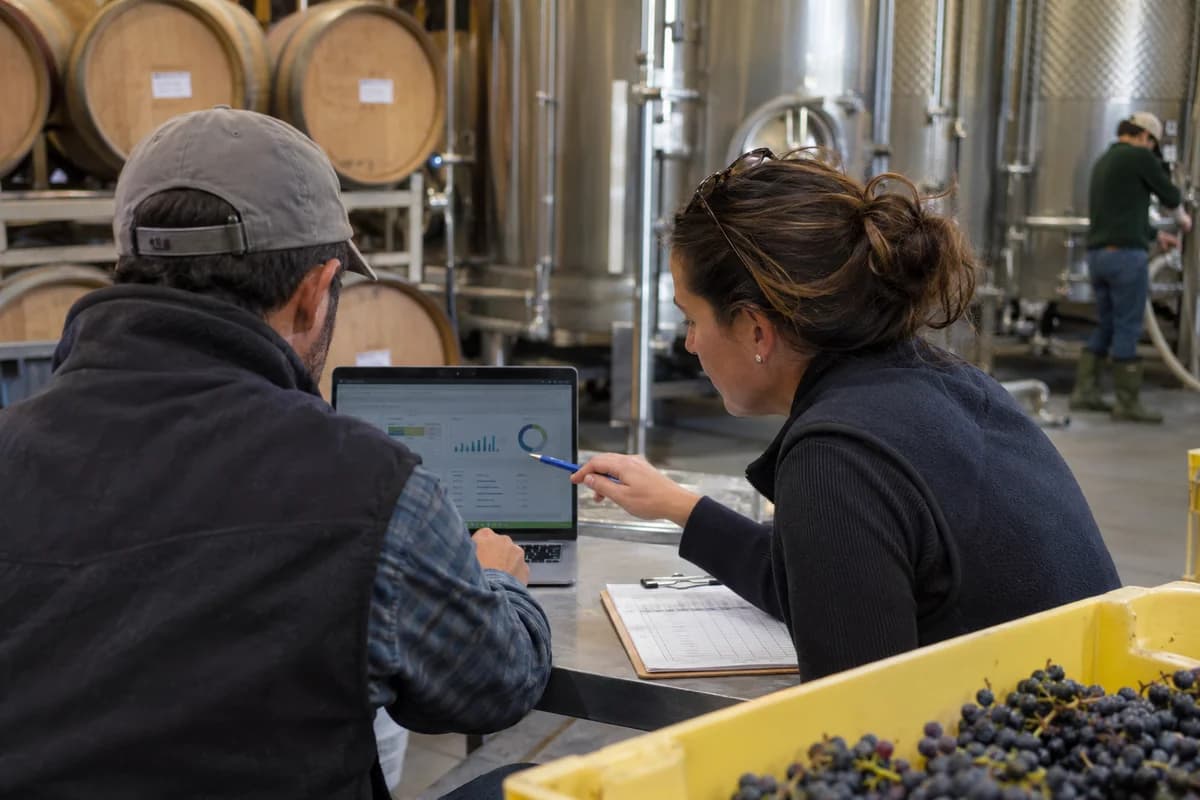
A San Francisco start-up rarely lacks ideas. It lacks hands. Founders hire a few engineers, then discover that billing, onboarding, customer reporting and the tools between them have no owner and live in three people’s heads. A contractor team that can take a defined slice of the product, such as an API, a dashboard or a test suite, frees the in-house engineers for the core work.
Overlap with Bengaluru is narrow but real. Early morning on the Pacific coast is the Indian late evening, so a short stand-up works before the day fills up. Specifications and pull requests carry the rest. Founders who like to read before they talk find this easy.
The districts, business parks and markets that matter in San Francisco.
How San Francisco businesses pick and use software.
Founders and engineering leads at early-stage software companies
Operations managers at wine, food and hospitality businesses in the wider Bay Area
Where San Francisco businesses lose time and money.
Engineering time is expensive
Salaries are high. Founders look for well-scoped work that can go to an outside team without a long onboarding.
Security questions from buyers
Enterprise customers ask for security reviews before they sign. Start-ups need code and processes ready to answer.
Tools multiply
Growth adds billing, support and analytics tools that do not share data. Reports then contradict each other.
Wine club shipments
Direct sales to members cross state lines, and each state brings its own licence, tax and shipping rules that a club manager is expected to remember without a prompt. Each order needs the right records.
What we would build for San Francisco businesses.
Usually in this order, starting with whatever the audit ranks first.
SaaS Product Development
Turning a system that works for one business into a product other businesses can subscribe to.
Learn moreMVP Product Development
A first working version of a new product, small enough to launch and learn from.
Learn moreQA and Software Testing
Testing on the phones, browsers and patchy networks your customers and staff actually use.
Learn moreCybersecurity and Application Security
Access, data exposure and recovery reviewed, including what happens when someone leaves or loses a device.
Learn moreDevOps & Automation Services
Releases with agreed checks, planned service windows and a tested route back to a working version.
Learn moreReady products that fit San Francisco businesses.
Each one is adapted to how your business works before it goes live, and anything your trade needs that it lacks is added then. You are not paying to build the basics again.
SaaS Company Management Software
Subscriber accounts, plans and add-ons, trials, invoices, failed payments, renewals, churn reasons, support tickets and recurring revenue for SaaS companies.
Learn moreCybersecurity Company Management Software
Engagements, signed scope, findings, report review, retests, retainer hours and licence renewals for penetration testing and managed security firms.
Learn moreWinery Management Software
Harvest intake, vintage and lot records, tank and barrel register, bottling, cellar stock, cellar door, wine club and trade orders for wineries.
Learn moreHow the work runs from Bengaluru for San Francisco.
- 1
The audit, by call
A screen-share and a look at the sheets, accounting reports and WhatsApp groups your team uses. No travel needed.
- 2
A written proposal
Scope, what we build first and the cost, agreed in writing before anything starts.
- 3
Build in short rounds
Working screens shared every few weeks. Your team tests them from your own office.
- 4
Go-live, in person when it helps
For data migration and training we can come to San Francisco. Travel is agreed in advance.
- 5
Support online
Fixes, changes and hosting handled remotely by the same team that built it.
The work we have published.
We don’t claim San Francisco clients we don’t have. These are systems our team built; the way we work is the same wherever you are.
PetSeva: matching owners to the right vet, at any hour
A two-sided veterinary platform where vets are searchable by specialisation and bookable outside clinic hours. It now carries more than 2,000 veterinary doctors.
Read the case study Paying guest accommodationSAM Atithi Pavathi: bed-level occupancy as the source of truth
PG management software where allocation, rates and invoices are derived from bed-level occupancy and not maintained in parallel spreadsheets.
Read the case study School transport servicesSAM Tours: school transport on a single ledger
Registration, fee collection, routing and finance write to the same records, closing the gap between journeys run and fees collected.
Read the case study Microfinance and Self Help GroupsVikasa RDO: making SHG loan recovery auditable
Loan proposals, recoveries and commissions sit on one record, with a person attached to every state change, so a business handling a bank’s money can show where each rupee went.
Read the case studyMake the scope specific to your business.
Work through a real example from your operation and agree the handoffs, controls and support the project needs.
Security questions from buyers
Can an ordinary account reach a record outside its allowed scope?
For “Security questions from buyers”, agree two accounts with different permissions and test direct requests. Record the expected refusal and include exported or downloaded data in the assessment.
Background reading: OWASP: authorisation checks
Wine club shipments
Can a partial delivery be distinguished from a completed order?
For “Wine club shipments”, follow an example that leaves in more than one trip. Compare the quantity handed over with the quantity still owed before closing the order.
Background reading: ERPNext: delivery notes
Questions San Francisco owners ask before they call.
Can an outside team take on part of a start-up’s product?
Yes, when the slice is clear. Typical examples are an integration, an admin dashboard or a regression suite, handed over with documentation and tests.
Does the time difference make stand-ups hard?
A short early call on your side fits the Indian evening. Most detail moves in writing, and work carries on while your team sleeps.
What happens after I share my requirements?
We review your brief and clarify the work with you. We then look at the software, spreadsheets and WhatsApp groups your business runs on today and write down what works, what slows your team down and what is missing. A demo login, a screen-share or a few screenshots are enough. You get a short written summary ordered by priority, with no obligation to hire us afterwards.
How much will the software cost?
We don’t publish a price, because it depends on what the system has to do. That first review settles the scope, and the cost goes into a written proposal before any work starts.
Industries we build for in San Francisco.
Tell us what your San Francisco business runs on today.
Send a short note on the spreadsheets, software or WhatsApp groups your team depends on. We reply the same working day.
What happens after you share your requirements
- We review your brief and the systems you already use.
- We clarify the workflow, missing information and the work to consider first.
- The proposed scope sets out the deliverables, responsibilities and dependencies.
- Review the scope and commercial terms before deciding whether to proceed.
Start with your requirements
Describe your current process, the people involved and the change you need. Start with the details you know; we can clarify the rest together.
Share your requirements