Darwin · CountriesDarwin’s port, gas projects, cattle trade and dry-season visitors depend on long routes and tight schedules.
Darwin, capital of the Northern Territory, faces Asia across the Timor Sea and works as the gateway for Top End mining, gas, cattle and defence supply. Its year splits into a dry and a wet season, which sets the pace for tourism and construction alike. Firms bill in Australian dollars. Bengaluru-based GullySystem builds job and fleet software for such businesses.
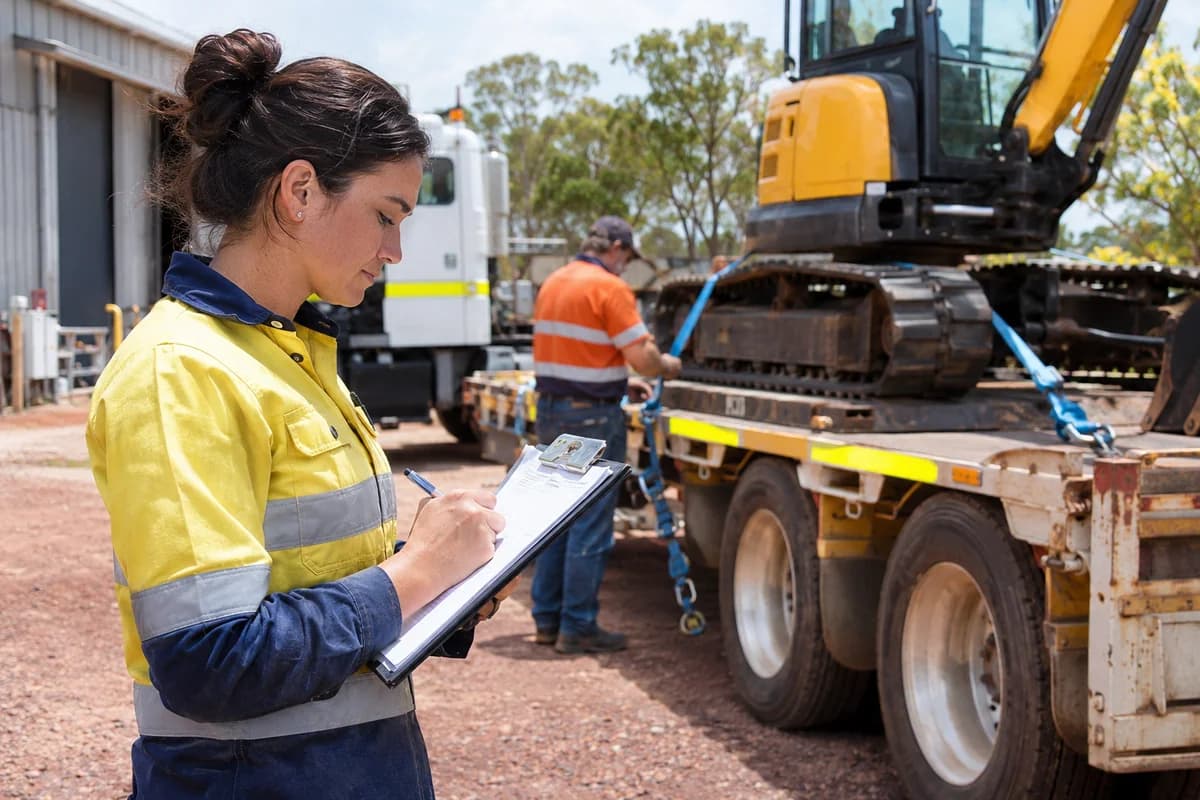
Cattle leave the Top End through the port. Supply ships carry equipment and food out to gas and mining sites, and trucks cover hundreds of kilometres of road, so fleet, fuel and driver records are the heart of the trade.
The dry season, from May to October, brings tourists, outdoor work and the Mindil Beach sunset market. The wet season brings storms and flooded roads, and outdoor jobs stop for weeks. Planning around the weather decides who gets paid on time.
The districts, business parks and markets that matter in Darwin.
How Darwin businesses pick and use software.
Transport owners who run trucks to remote sites and bill by the day and the kilometre.
Tour and hostel managers who sell seats months ahead of the dry season.
Where Darwin businesses lose time and money.
Trucks leave without a clear job sheet
Drivers set off for distant stations with details taken by phone, and delivery proof returns days later on paper. Job sheets on a phone shorten the wait.
Wet season stops income and plans
Closed roads strand loads and crews, yet quotes are written as if the schedule held. A planner that moves linked jobs together shows the damage early.
Equipment hire is lost in the yard
Hire firms send machines to remote sites and cannot say which unit is where on a given day. A simple location and hours log answers that.
What we would build for Darwin businesses.
Usually in this order, starting with whatever the audit ranks first.
IoT and Edge Computing
Machine and sensor readings connected to office records, with buffering limits and recovery after a lost connection defined.
Learn moreBusiness Process Automation
Approvals, reminders and reports triggered by agreed rules, with exceptions assigned to a responsible person.
Learn moreSoftware Maintenance, Support and Rescue
Taking over the system your last vendor stopped answering for: fixing it, documenting it and keeping it running.
Learn moreWeb and Mobile Application Development
Web and mobile apps for customers, field staff and dealers, built to work on ordinary phones.
Learn moreReady products that fit Darwin businesses.
Each one is adapted to how your business works before it goes live, and anything your trade needs that it lacks is added then. You are not paying to build the basics again.
Truck and Trailer Company Management Software
Unit register, sales quotations, workshop job cards, parts stock, hire agreements, service contracts and fleet dues for truck and trailer companies.
Learn moreOil and Gas Company Management Software
Wells, daily readings, field tickets, equipment maintenance, spares, permits and partner billing for oil and gas operators and field service companies.
Learn moreEquipment Rental Management Software
Machine register, availability, rental contracts, delivery and return checks, workshop jobs, deposits and invoices for equipment rental companies running excavators, lifts, dumpers and generators.
Learn moreHow the work runs from Bengaluru for Darwin.
- 1
The audit, by call
A screen-share and a look at the sheets, accounting reports and WhatsApp groups your team uses. No travel needed.
- 2
A written proposal
Scope, what we build first and the cost, agreed in writing before anything starts.
- 3
Build in short rounds
Working screens shared every few weeks. Your team tests them from your own office.
- 4
Go-live, in person when it helps
For data migration and training we can come to Darwin. Travel is agreed in advance.
- 5
Support online
Fixes, changes and hosting handled remotely by the same team that built it.
The work we have published.
We don’t claim Darwin clients we don’t have. These are systems our team built; the way we work is the same wherever you are.
PetSeva: matching owners to the right vet, at any hour
A two-sided veterinary platform where vets are searchable by specialisation and bookable outside clinic hours. It now carries more than 2,000 veterinary doctors.
Read the case study Paying guest accommodationSAM Atithi Pavathi: bed-level occupancy as the source of truth
PG management software where allocation, rates and invoices are derived from bed-level occupancy and not maintained in parallel spreadsheets.
Read the case study School transport servicesSAM Tours: school transport on a single ledger
Registration, fee collection, routing and finance write to the same records, closing the gap between journeys run and fees collected.
Read the case study Microfinance and Self Help GroupsVikasa RDO: making SHG loan recovery auditable
Loan proposals, recoveries and commissions sit on one record, with a person attached to every state change, so a business handling a bank’s money can show where each rupee went.
Read the case studyMake the scope specific to your business.
Work through a real example from your operation and agree the handoffs, controls and support the project needs.
Trucks leave without a clear job sheet
Which observation would change the proposed scope?
For “Trucks leave without a clear job sheet”, observe someone completing the task with a representative example. Record where they stop, ask another person or re-enter information, then choose the smallest change whose result the team can verify.
Background reading: GOV.UK: researching user needs
Questions Darwin owners ask before they call.
Can drivers use the job sheet offline?
Yes. The sheet is stored on the handset and uploaded once a connection returns, and the time of each step is kept. We would test it on a long route before rollout.
Is Darwin close to Bengaluru’s working hours?
Darwin is four hours ahead of Bengaluru and keeps no daylight saving. Calls fit comfortably within both working days.
What happens after I share my requirements?
We review your brief and clarify the work with you. We then look at the software, spreadsheets and WhatsApp groups your business runs on today and write down what works, what slows your team down and what is missing. A demo login, a screen-share or a few screenshots are enough. You get a short written summary ordered by priority, with no obligation to hire us afterwards.
How much will the software cost?
We don’t publish a price, because it depends on what the system has to do. That first review settles the scope, and the cost goes into a written proposal before any work starts.
Industries we build for in Darwin.
Elsewhere in Australia.
Tell us what your Darwin business runs on today.
Send a short note on the spreadsheets, software or WhatsApp groups your team depends on. We reply the same working day.
What happens after you share your requirements
- We review your brief and the systems you already use.
- We clarify the workflow, missing information and the work to consider first.
- The proposed scope sets out the deliverables, responsibilities and dependencies.
- Review the scope and commercial terms before deciding whether to proceed.
Start with your requirements
Describe your current process, the people involved and the change you need. Start with the details you know; we can clarify the rest together.
Share your requirements