Business software for Kenyan firms that sell on M-Pesa, ship flowers and host safari guests.
Kenyan businesses range from Nairobi agencies to flower farms around Naivasha, dairy societies in the highlands and safari operators on the coast. Most take M-Pesa, charge VAT and talk to customers on WhatsApp. GullySystem, in Bengaluru, assists them from a distance with software for bookings, collections, stock and invoices.
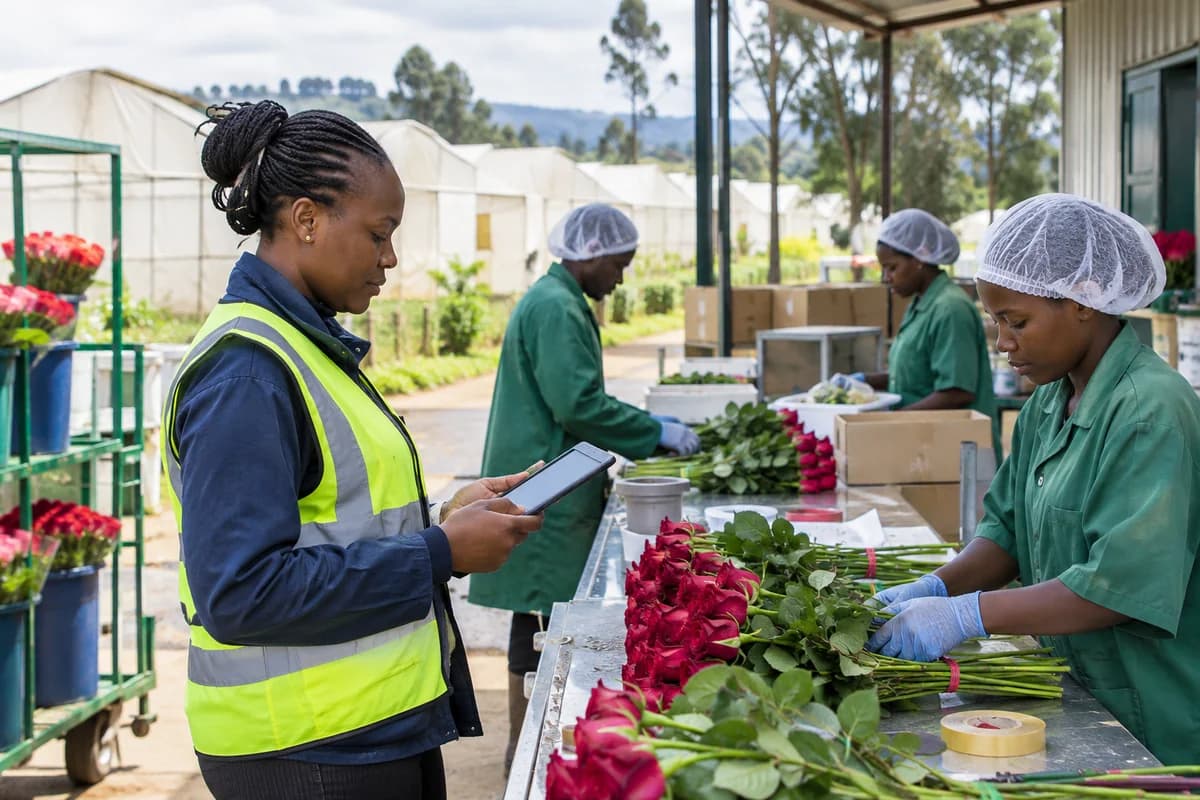
Working with a team in India from Kenya.
Nairobi is the commercial hub, yet much of the money is made elsewhere. Tea and coffee estates, greenhouses by the lake, hotels in Mombasa and cooperatives in the Rift Valley all keep records. An owner may run two or three small ventures at once. They want one view, not five notebooks.
Our desks are in Bengaluru. Kenya has no office of ours. Calls happen on video, with email and WhatsApp in between. We name no Kenyan customers, partners or projects, and we hold no local licences; the software follows the way your business already runs, not a template from somewhere else.
What changes when your business is in Kenya.
Hours, money, language and data are decided with you at the start, not discovered later.
What the software has to fit.
The filing cycles, payment habits and licences a small business there already works around.
Trades we write for in Kenya.
Products that fit them.
Capabilities often asked for.
What we would build for Kenya businesses.
Usually in this order, starting with whatever the audit ranks first.
WhatsApp Business API and Chatbots
WhatsApp Business API work covers number onboarding, template approval, opt-in records and a chatbot with human handover, all set up under the client’s own Meta account. It connects WhatsApp to a CRM, billing or booking system, so every message is sent from an existing record and every reply is written back. It suits businesses that already take orders, payments or bookings in chat.
Learn moreERP, CRM and Business Software Implementation
One record of stock, orders, customers and accounts, set up so your team opens it every day.
Learn moreAPI and System Integration
Connections between existing tools, with record ownership, duplicate handling and reconciliation agreed for each flow.
Learn moreWeb and Mobile Application Development
Web and mobile apps for customers, field staff and dealers, built to work on ordinary phones.
Learn moreMake the scope specific to your business.
Work through a real example from your operation and agree the handoffs, controls and support the project needs.
Counties, permits and annual returns
What returns to stock, and what returns to the customer’s account?
Walk through “Counties, permits and annual returns” using a partly paid sale. Agree the physical return and the financial correction separately, with a reference to the original transaction.
Background reading: ERPNext: returns and credits
Shillings, VAT and receipts
Can the same receipt be allocated without counting the money twice?
Take an unallocated amount in “Shillings, VAT and receipts” and apply it to the intended balance. Review the remaining amount and the original receipt reference together.
Background reading: ERPNext: payment allocation
Questions from businesses in Kenya.
Can the software record M-Pesa payments against invoices?
Payments can be logged against an invoice or an order using the reference the customer typed. Whether the feed comes by statement upload or a live link depends on what your provider offers. We confirm that at scoping, not after.
Will we be able to reach you in our working day?
Yes. Kenya is only two and a half hours behind India, so a morning call for you is a midday call for us. Response times are written into the support plan.
Do you handle Kiswahili?
Screens, receipts and customer messages can carry Kiswahili wording. Our team works in English, so you provide the Kiswahili text or sign off on ours. We then test the printed layout before anything goes to a customer.
We have no one to host you in Nairobi. Does that matter?
No. Meetings run by video with shared screens, and training is done the same way; a single person at your end should make decisions and review each stage. A visit, if useful, is agreed separately.
Can invoices show VAT and several currencies?
Yes. Tax codes and currency pairs are set per business, shaped to the layout your accountant requests. Rates are never hard-coded. Tax invoice rules are confirmed with your accountant first.
How long does a project take?
That depends on the first release, the systems to connect and how fast your side answers; a farm with weekly harvest cycles needs different screens from a lodge. The proposal states dates after scoping.
What do we keep if we stop working together?
The code and all your data. Records export as plain files for whatever you use next; hosting stays where it was agreed at the start, and the original developers handle support.
Tell us what you run.
Share your requirements and an engineer will read them before getting in touch, at an hour that suits your day.
What happens after you share your requirements
- We review your brief and the systems you already use.
- We clarify the workflow, missing information and the work to consider first.
- The proposed scope sets out the deliverables, responsibilities and dependencies.
- Review the scope and commercial terms before deciding whether to proceed.
Start with your requirements
Describe your current process, the people involved and the change you need. Start with the details you know; we can clarify the rest together.
Share your requirements