Follow each module, inverter, pack and structure by serial number from assembly through test to site.
Solar panel, mounting structure, inverter, solar component, battery pack, wind turbine component and energy storage makers build equipment that is tested, labelled and installed for years. Here, serial numbers, test data and warranty all sit together on a single unit record.
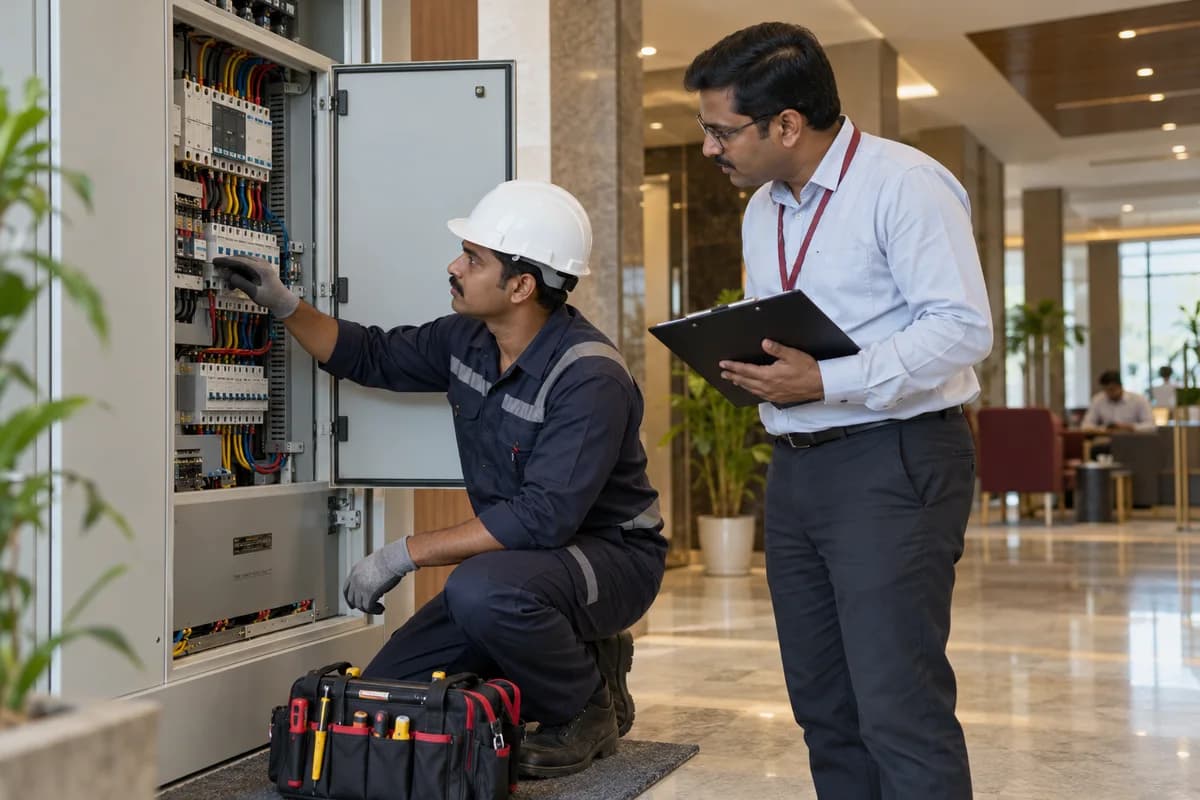
These makers share a habit of identity. A solar module, an inverter, a battery pack and a turbine casting each leave the plant with a serial number, a test result and a destination. Years later, someone will ask which cells went into that module, or which cell lot went into that pack, and which test it passed before it was shipped. The answer must come from a record.
The processes differ widely. Panel makers string cells, laminate and flash-test. Mounting structure makers cut, punch and galvanise steel. Inverter and battery pack makers assemble boards, cells and enclosures, then run burn-in and safety checks. Turbine component makers cast, machine and inspect heavy parts. Storage system builders integrate packs, power electronics and thermal management into a container or cabinet.
Sales follow projects. Orders come from installers, developers and utilities, usually in stages tied to a site schedule. Warranty claims arrive long after dispatch. They need the original build data, the test results and the shipping papers, found without a search through old folders and bench computers.
Software for each kind of solar & Renewable Energy Equipment business.
Solar panel manufacturers
A module line turns cells, glass, encapsulant and backsheet into a rated panel with a serial number. Buyers ask which cell lot went into which module and what its flash test showed. That question needs a record. The solar panel manufacturer software links incoming lots, stringer and laminator runs, test results and power bins to each serial, so a pallet can be traced after it ships.
Learn moreSolar component manufacturers
Many solar component makers build the small parts around the array: DC cable assemblies with connectors, junction boxes, string combiner boxes and isolators. All follow a string diagram. The solar component manufacturer software holds the diagram, cable and connector lots, crimp and continuity tests and kit packing together.
Learn moreSolar mounting structure manufacturers
A mounting structure maker sells a kit per site. Each kit holds ramming piles or ground screws, rafters, C-section purlins, mid clamps, end clamps and bolts, all cut and counted to the array layout. The software reads the site drawing into bar lists, follows zinc coating readings, and packs kits row by row. The installer opens a box that fits that roof or field.
Learn moreSolar inverter manufacturers
An inverter maker assembles power stages, DSP control boards, heatsinks and IP65 enclosures, flashes firmware, then runs each unit through burn-in and anti-islanding tests. The solar inverter manufacturer software records MOSFET and capacitor lots, firmware images, test readings and customer returns against the unit serial number, so a field fault can be traced to its parts.
Learn moreBattery pack manufacturers
A battery pack maker takes in 18650 and prismatic cells, grades them on a sorter and welds them into modules. A battery management system (BMS) board and housing follow, then each pack is cycled on a charger channel before it ships. The software tracks cell lots, grading results, BMS firmware, cycle tests and serial numbers, so a returned pack can be traced to the cells inside it.
Learn moreEnergy storage system manufacturers
Storage system makers receive prismatic and pouch cells, grade them on a cycler, weld busbars into modules and build racks, containers and cabinets around a battery management unit. The software links cell lots to module and pack serials, with insulation and cycle test results kept on each unit.
Learn moreWind turbine component manufacturers
Wind component makers machine castings and forgings, weld tower sections and ship large parts against a turbine maker’s drawing. The software ties each part to its heat number, weld record and inspection report. Hold points and witnessed tests are scheduled before the part is coated.
Learn moreWhere these businesses lose time and money.
What we build across solar & Renewable Energy Equipment.
Ready products that fit solar & Renewable Energy Equipment.
Each one is adapted to how your business works before it goes live, and anything your trade needs that it lacks is added then. You are not paying to build the basics again.
Solar Panel Manufacturer Management Software
Cell and glass lots, stringer and laminator runs, flash test records, power bins and pallet packing lists for solar panel manufacturers.
Learn moreBattery Pack Manufacturer Management Software
Cell lots and grading, module and weld records, BMS firmware, cycle tests, pack serials and returns for battery pack manufacturers.
Learn moreSolar Inverter Manufacturer Management Software
Component lots, kits, firmware versions, burn-in and final test records, repair bench and warranty for solar inverter manufacturers.
Learn moreThe services behind it.
Business Process Automation
Approvals, reminders, follow-ups and reports that run on their own instead of on someone remembering.
Learn moreIoT and Edge Computing
Machines, meters and sensors feeding the same system your office uses, even when the network drops.
Learn moreERP, CRM and Business Software Implementation
One record of stock, orders, customers and accounts, set up so your team opens it every day.
Learn moreData Engineering and Business Intelligence
Dashboards that answer the owner’s Monday questions without anyone building an Excel sheet first.
Learn moreAPI and System Integration
Accounting software, WhatsApp, payment gateways, tax portals and your own apps sharing one set of numbers.
Learn moreWritten for solar & Renewable Energy Equipment.
Practical notes on running the business, not product marketing.
How to trace a solar module from cell lot to serial number
Step by step: link incoming cell, EVA and glass lots to the serial barcode applied before lamination, so one scan opens every lot and station record.
Learn moreWhy solar warranty claims arrive with no build history
A field claim on a module, inverter or battery cannot be judged without factory lots, test results and firmware. What one unit record has to hold.
Learn moreBuild or buy software for an energy storage system maker
Weigh a ready product, a custom build or both for unit records, factory acceptance tests and site commissioning at a storage system integrator.
Learn moreWhat to ask before buying software for a solar module line
Vendor questions on serial capture at each station, flasher file import, cell and glass lot use, power binning and warranty lookup, judged on your line.
Learn moreQuestions solar & Renewable Energy Equipment businesses ask.
Do solar panel, inverter and battery makers use the same product?
No. Each trade has its own product, because a module line, an inverter line and a pack line test and record different things. The serial number, lot and warranty structure is shared.
Can it read results from flash testers and cell graders?
Some testers and graders can be read directly and others cannot, since the answer turns on the model and the file it writes out, so we check the equipment first. Until then, results come in from a file or a screen.
Does it handle battery or product safety certification?
No. It keeps the test records, lot numbers and sign-offs an assessor may ask to see. Certification is for you and the testing body alone.
Can a customer look up a unit by serial number?
Yes, where you want buyers to have it. A service desk or buyer portal can show warranty status and dispatch details for a serial number, and each login opens only the records meant for it. It is optional.
Tell us how your business runs today.
A few lines on your spreadsheets, software and WhatsApp groups is enough. We reply the same working day.
- No obligation
- A reply within one business day
- Your details stay private
Start with your requirements
Seven short steps that tell us what you need. An engineer reads them before getting in touch.
Share your requirements