Plant, greenhouse and hotel software for Mexican firms, supported remotely from Bengaluru.
Mexico assembles cars in the Bajío. Greenhouses pack tomatoes and berries for export, breweries work in the north, and beach hotels fill on the Caribbean coast. Firms invoice in Spanish and lean on a contador for tax paperwork. We are a Bengaluru company that supports such trades remotely.
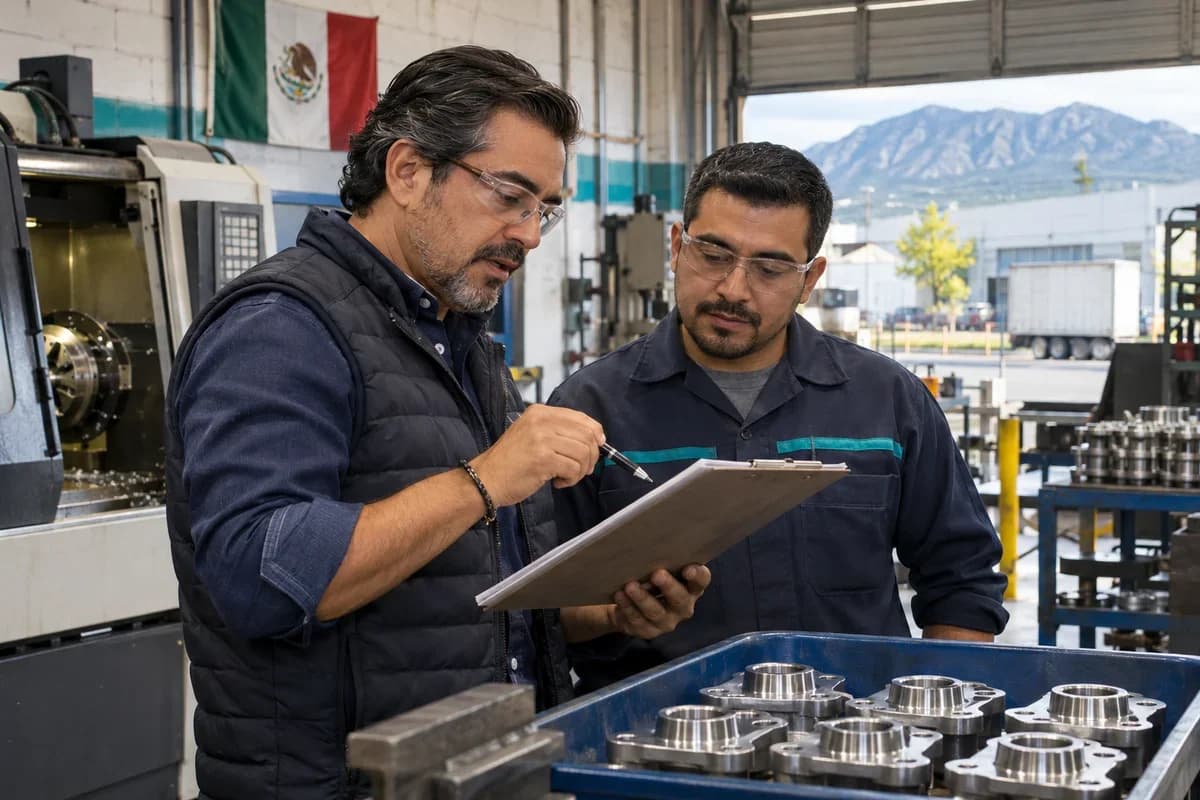
Working with a team in India from Mexico.
A parts plant in Guanajuato, a greenhouse in Sinaloa and a small hotel in Quintana Roo keep different calendars. The plant answers to a carmaker’s schedule, the greenhouse answers to the weather and a buyer across the border, and the hotel waits for a holiday week.
Our team is located in Nagarbhavi, Bengaluru. We keep no office in Mexico, employ no staff there, hold no licence and cannot name a customer. Our offer is plain software work, scoped on calls and kept clear in writing, with Spanish on every screen your staff will use. Nothing more.
What changes when your business is in Mexico.
Hours, money, language and data are decided with you at the start, not discovered later.
What the software has to fit.
The filing cycles, payment habits and licences a small business there already works around.
Trades we write for in Mexico.
Products that fit them.
Capabilities often asked for.
Cities we write software for in Mexico.
What we would build for Mexico businesses.
Usually in this order, starting with whatever the audit ranks first.
Web and Mobile Application Development
Web and mobile apps for customers, field staff and dealers, built to work on ordinary phones.
Learn moreAPI and System Integration
Connections between existing tools, with record ownership, duplicate handling and reconciliation agreed for each flow.
Learn moreIoT and Edge Computing
Machine and sensor readings connected to office records, with buffering limits and recovery after a lost connection defined.
Learn moreWhatsApp Business API and Chatbots
WhatsApp Business API work covers number onboarding, template approval, opt-in records and a chatbot with human handover, all set up under the client’s own Meta account. It connects WhatsApp to a CRM, billing or booking system, so every message is sent from an existing record and every reply is written back. It suits businesses that already take orders, payments or bookings in chat.
Learn moreMake the scope specific to your business.
Work through a real example from your operation and agree the handoffs, controls and support the project needs.
The contador and electronic invoices
Can you explain the balance from its original documents?
Select a partly settled example in “The contador and electronic invoices”. Ask for the invoice, allocated receipts and remaining balance to be shown together before agreeing the opening figures.
Background reading: ERPNext: outstanding invoices
Beer, food and wholesale
What returns to stock, and what returns to the customer’s account?
Walk through “Beer, food and wholesale” using a partly paid sale. Agree the physical return and the financial correction separately, with a reference to the original transaction.
Background reading: ERPNext: returns and credits
Questions from businesses in Mexico.
Can screens and documents be in Spanish and English?
Yes. Each user and each customer document can be set to Spanish, English or both. A native speaker from your team checks the wording before launch.
Do you have an office or partners in Mexico?
No. We work remotely from Bengaluru, hold no Mexican licence and name no local customers. You deal with the same small team throughout.
Can you produce Mexican electronic invoices?
We do not promise a ready module. We read the current rules with your contador, then choose between an approved provider and an export in the layout your adviser asks for.
Can a plant keep traceability records for a carmaker’s audit?
Yes. Batches, inspections and shipments can be linked to one another, and the full chain for a single lot is printed or exported the moment a buyer asks about it.
How do we meet across the time difference?
Mexico City is eleven and a half hours behind India. Calls happen in your morning, our evening, and written questions get their answers overnight, so each working day opens with replies waiting.
What do you need from us before we start?
Send photos of the forms your plant fills in today, such as orders, delivery notes and inspection sheets, because real pages teach us more than a description ever could. We then write a short plan in Spanish or English. Your team marks what is wrong.
Tell us what you run.
Share your requirements and an engineer will read them before getting in touch, at an hour that suits your day.
What happens after you share your requirements
- We review your brief and the systems you already use.
- We clarify the workflow, missing information and the work to consider first.
- The proposed scope sets out the deliverables, responsibilities and dependencies.
- Review the scope and commercial terms before deciding whether to proceed.
Start with your requirements
Describe your current process, the people involved and the change you need. Start with the details you know; we can clarify the rest together.
Share your requirements